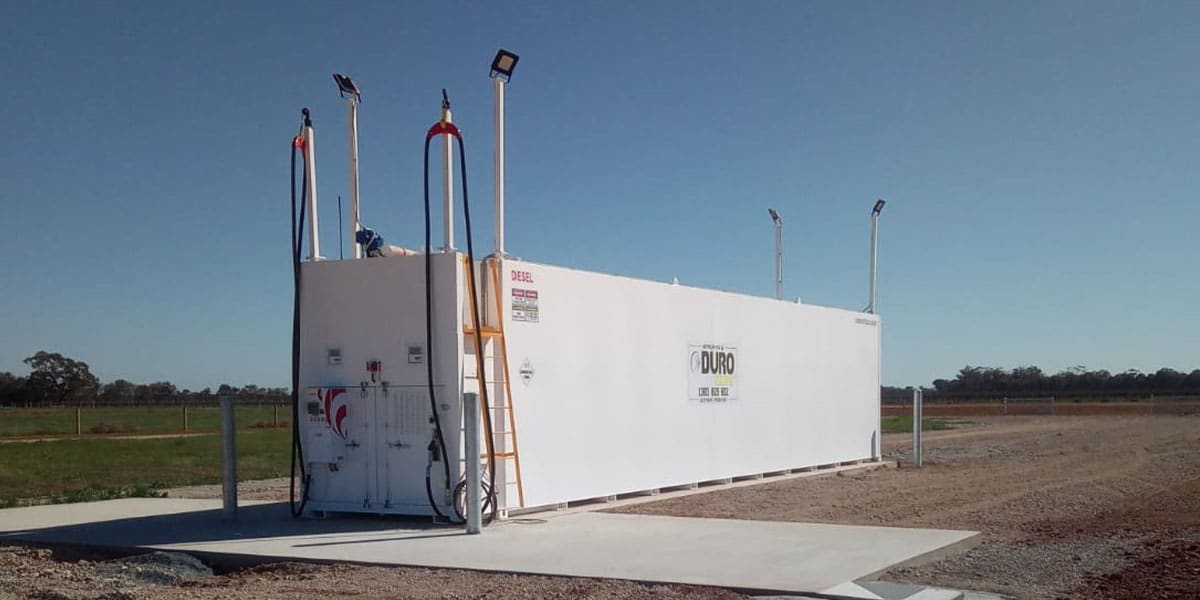
Safe and Reliable Self Bunded Tanks for Remote and Off-Grid Operations
Remote and off-grid operations in mining, agriculture and construction face unique fuel storage challenges. In these environments, unreliable supply chains, harsh conditions and strict environmental regulations make efficient fuel management critical. Self bunded tanks provide a reliable, compliant and efficient solution for these sites, helping to reduce risk while supporting uninterrupted operations. For businesses looking to protect their assets and stay compliant, Durotank offers purpose-built solutions tailored to Australian conditions.
Why Remote and Off-Grid Sites Need Robust Fuel Storage
Remote sites face unique challenges such as harsh weather, difficult terrain, and limited access to emergency response. Effective fuel storage is essential to prevent spills, maintain operations, and comply with EPA regulations. Self bunded tanks reduce environmental risk while giving operators confidence that their fuel is safely contained, even in the most challenging locations.
Environmental and Regulatory Risks
Environmental and regulatory risks are a constant concern at remote operations. Without immediate access to spill response teams, even a minor leak can result in significant soil or water contamination, triggering costly remediation and fines. EPA inspections apply just as rigorously to remote sites as they do to urban operations, making proactive compliance essential.
Operational Challenges in Remote Locations
Operational challenges compound these risks. Fuel deliveries may be inconsistent due to difficult terrain or remote location, and harsh weather conditions such as extreme heat, rain, or dust can compromise storage infrastructure. For businesses operating in such conditions, standard fuel storage solutions are often insufficient. That’s why investing in reliable, compliant storage like Durotank self bunded tanks is crucial. These tanks integrate compliance, durability and operational efficiency into a single solution.
How Self Bunded Tanks Address Remote Site Challenges
Self bunded tanks provide a comprehensive solution to the unique storage, safety and compliance challenges faced by remote and off-grid operations.

Integrated Secondary Containment
The first major advantage of self bunded tanks is integrated secondary containment. Unlike traditional single-wall tanks, which often require costly concrete bunds, self bunded tanks contain fuel within a double-walled design that is built to withstand leaks or spills. EPA inspectors evaluate these tanks not only for their presence but also for their structural integrity, capacity, and proper installation. By providing an internal bund, Durotank’s solutions remove the uncertainty of site-built containment and reduce compliance risk.
Durability and Design for Harsh Conditions
Durability and design are other critical factors. Self bunded tanks are built to endure harsh Australian conditions, including prolonged exposure to UV rays and corrosion from weather.. Tanks that are purpose-built for remote operations last longer, require less maintenance and provide peace of mind for operators who cannot always be on site. Businesses often choose Durotank for its Australian-built solutions that prioritise longevity and reliability. Learn more about custom fuel tanks designed for tough conditions.
Flexibility with Transportable Tanks
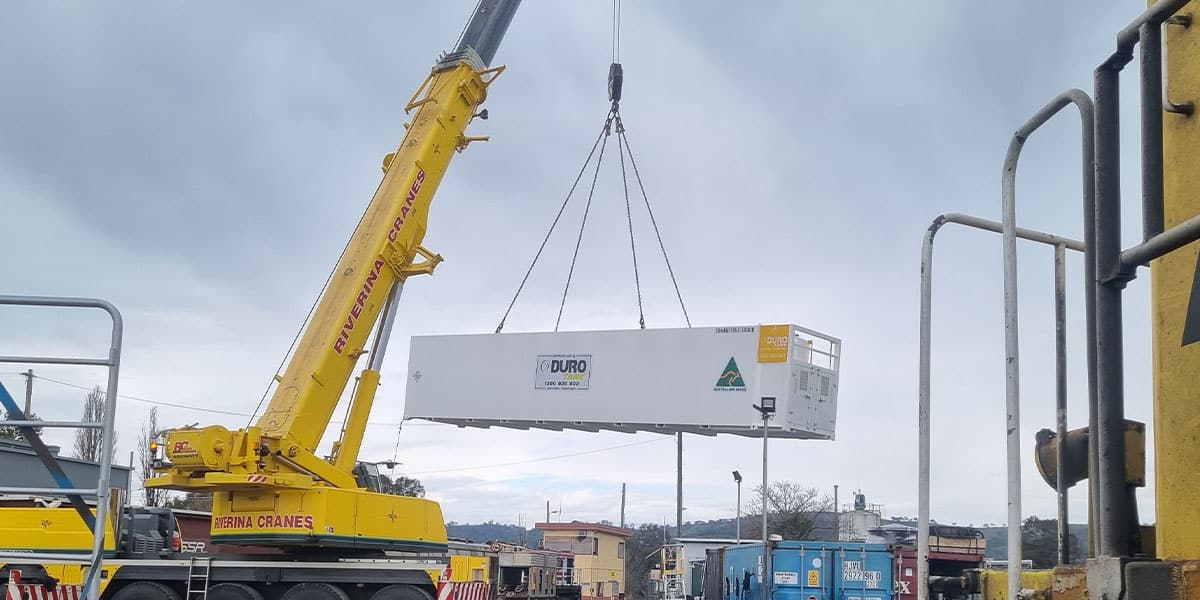
For operations that require flexibility, transportable self bunded tanks such as Duro Cubes or diesel trailers are ideal. These tanks can be relocated between sites as needed to meet seasonal or project demands. Whether it’s supporting multiple harvest locations or construction sites, transportable tanks ensure compliant containment without compromising mobility. A comparison of Duro Cubes vs Smart Cubes can help operators decide which solution best fits their operational needs.
Compliance and Safety Benefits for Remote Operations
These tanks simplify EPA compliance, reduce audit stress, and ensure safe fuel handling in challenging locations.
Simplifying EPA Inspections
Self bunded tanks simplify compliance and reduce audit stress. From an EPA perspective, integrating containment, spill management and safety features into a single system demonstrates proactive risk management. This is especially important at remote sites where immediate corrective measures are difficult to implement.
Spill Prevention and Risk Mitigation
Beyond containment, self bunded tanks incorporate overfill protection, secure access points, and features that minimise human error during refuelling. These systems ensure safe fuel handling, even in locations with limited supervision.
Record-Keeping and Maintenance
Maintenance and record-keeping are equally critical. Even in remote locations, tanks must be inspected regularly, maintained appropriately, and monitored for damage. Durotank self bunded tanks are designed to simplify this process, allowing operators to document inspections and repairs efficiently. Businesses that approach fuel storage as a living system, rather than a static asset, are more likely to pass audits and reduce operational downtime.
Operational Advantages Beyond Compliance
Self bunded tanks improve efficiency, reduce downtime, and support long-term operational and financial performance.

Reducing Downtime and Fuel Shortages
The operational benefits of self bunded tanks extend beyond regulatory compliance. Reliable storage ensures an uninterrupted fuel supply, reducing downtime caused by delivery delays. By standardising tanks across multiple sites, businesses can simplify refuelling logistics and optimise inventory management.
Optimising Logistics and Costs
Transportable tanks further enhance operational efficiency by allowing scalable storage to match seasonal or project-based demand. Seasonal operations, such as spring harvests or mining surges, can be supported effectively with solutions like Durotanker trailers and mobile fuel cubes.
Long-Term Investment and ROI
Choosing the right tank also delivers long-term return on investment. High-quality, Australian-engineered self bunded tanks require fewer repairs, avoid costly retrofits, and protect operations against compliance penalties. Durotank tanks are built with these long-term benefits in mind, helping businesses save money while maintaining safety and compliance.
Choosing the Right Self Bunded Tank for Remote Operations
Selecting the right tank ensures optimal performance, flexibility and regulatory compliance for your specific site needs.
Assessing Site Requirements
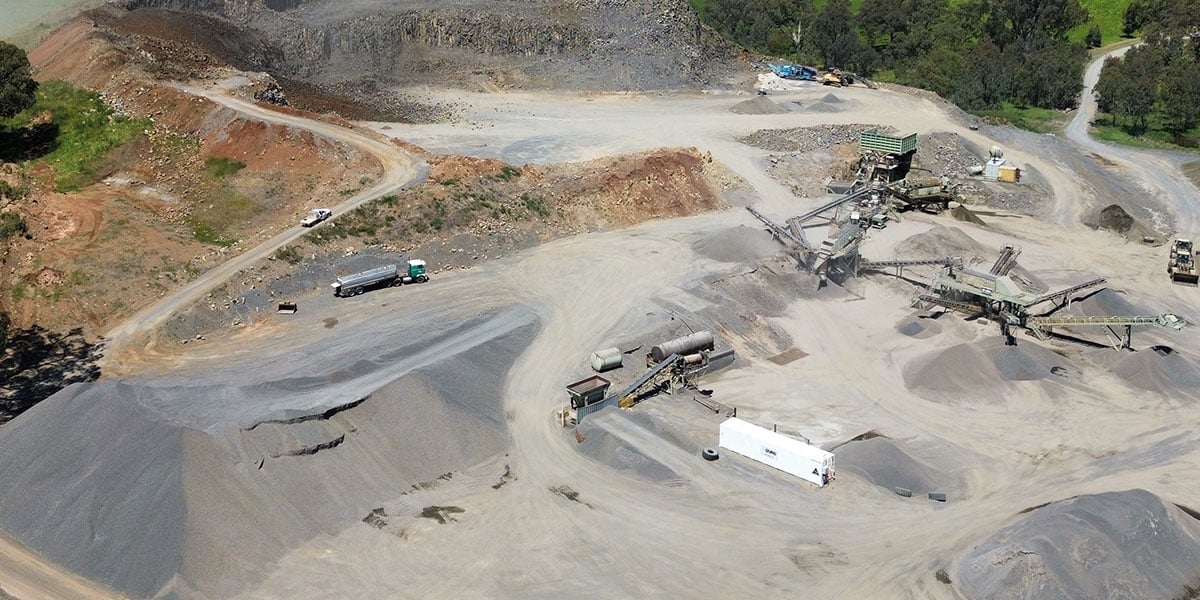
Operators should evaluate fuel type, storage volume and site conditions before selecting a tank. Factors such as terrain, access and exposure to environmental hazards will affect the choice between stationary and transportable solutions.
Stationary vs Transportable Tanks
Stationary tanks are ideal for long-term installations, providing stability and maximum containment. Transportable tanks are perfect for seasonal or multi-site operations where flexibility is key. Proper installation and adherence to manufacturer guidelines ensure both options meet regulatory and operational needs.
Supporting Long-Term Operational Efficiency
Investing in engineered self bunded tanks designed for Australian conditions delivers long-term value rather than short-term savings. Reliable tanks reduce operational risk, support compliance and ensure that remote operations run smoothly even under challenging conditions.
Strategic Advantages of Self Bunded Tanks for Remote Operations
Self bunded tanks help businesses turn fuel storage into a strategic asset. Standardisation across sites simplifies logistics, reduces training complexity and ensures consistent safety practices. With reliable containment and flexible transport options, these tanks allow operators to plan deliveries, prevent downtime and maximise ROI, making fuel storage a key contributor to operational resilience.

Make Fuel Storage a Strategic Advantage with Durotank
Remote and off-grid operations face unique fuel storage challenges that directly impact safety, compliance and operational continuity. Self bunded tanks provide a comprehensive solution by integrating containment, spill management, and safety features in a single system. Durotank’s self bunded tanks are engineered for Australian conditions, combining durability, flexibility, and regulatory compliance to give businesses peace of mind.
Understanding what EPA inspectors look for, combined with proper installation and maintenance, allows companies to treat fuel storage as a critical operational system rather than an afterthought. This approach reduces audit risk, protects the environment, and keeps projects moving without interruption. For expert guidance and tailored solutions, contact Durotank today to discuss self bunded fuel storage options for your remote or off-grid operations.
FAQs
Are self bunded tanks mandatory in Australia?
Self bunded tanks are not legally mandatory in all states. However, EPA authorities generally require effective secondary containment for fuel storage. Self bunded tanks are widely accepted because they integrate compliant spill containment into a single system.
Do self bunded tanks need additional external bunding?
In most cases, no. A correctly designed and installed self bunded tank provides its own secondary containment. Inspectors may still assess surrounding site conditions to ensure spills cannot escape the containment area.
How often should self bunded tanks be inspected?
Inspection frequency depends on site conditions and usage. Tanks should be visually checked regularly and formally inspected at scheduled intervals, with records kept as evidence of ongoing compliance.
Can self bunded tanks be used as transportable fuel storage?
Yes. Self bunded tanks are available in both stationary and transportable designs. The tank must be suitable for its intended use and secured correctly to maintain spill containment and safety.
What if a self bunded tank fails an EPA inspection?
Inspectors may issue an improvement notice or require corrective action before continued use. Common issues include damage, poor installation, or lack of maintenance. Prompt rectification helps minimise downtime and compliance risk.
Fuel storage is a critical component of operations across many industries in Australia. From farms and mines to construction sites…
AdBlue has quietly become essential kit for anyone running modern diesel equipment. It keeps engines compliant with emissions rules by…
A backup generator is only as reliable as the fuel sitting behind it. You can invest in the best standby…
Diesel does not last forever. Left sitting in a tank, the fuel you bought in good condition slowly changes, and…
If you store diesel on a farm, a mine site, a civil project or a transport depot, AS1940 is the…
When you are comparing steel fuel tanks, they can look remarkably similar on paper. They may have the same capacity,…
Search this question online and you will drown in British heating oil advice. OFTEC guidance, Environment Agency rules, Scottish EPA…
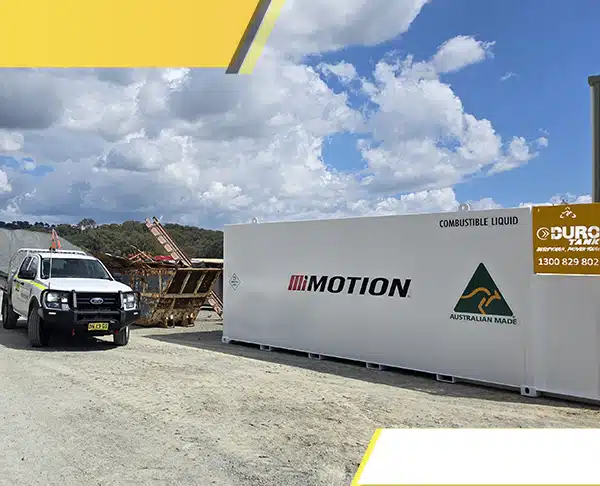

My experience with Durotank was exceptional from start to completion.
Emily was patient with us from the start - we took a while to make our decision, but she was always ready to help. She proactively addressed all enquiries and offered comprehensive support. No pressure, just good service.
Furthermore, Durotank was highly accommodating when we requested custom signage. It turned out great and looked fantastic.
I highly recommend Durotank to any organisation seeking a seamless, efficient, and thoroughly professional supplier for diesel tank requirements.


Joe Valesini - AUS Inds Customer Relationship Manager Motion
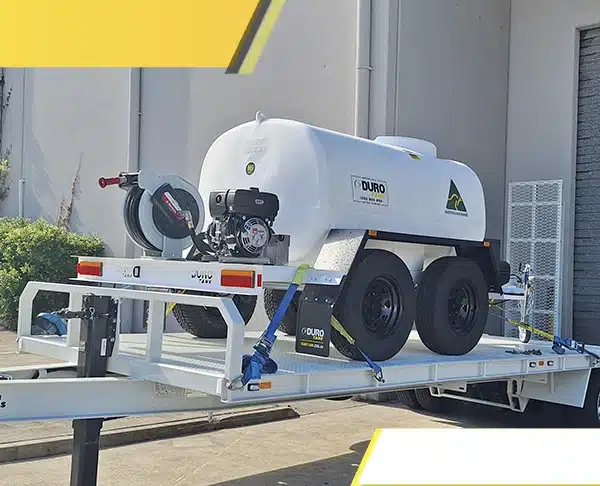
We had a great experience working with Durotank on our order for a 2,400L water cart trailer, set up for firefighting and tree watering. Their team was responsive throughout the process and delivered exactly what we needed on schedule, despite a very tight timeframe. The build quality is excellent - it’s clear a lot of care and expertise went into the manufacturing. We also value being able to support an Australian-made company and wouldn’t hesitate to recommend Durotank for both their product quality and service.
Joel Courtney – APMS Operations

We considered many other brands of diesel tank but quickly settled on Durotank - they ticked all the boxes. An Australian-made, self bunded quality tank with the ability to load and transport on-site whilst full is a winner.
The team communicated professionally with us regarding modifications and build timing. We will certainly use Durotank again and would confidently recommend them to others.
Andrew Reeves, Ethtec
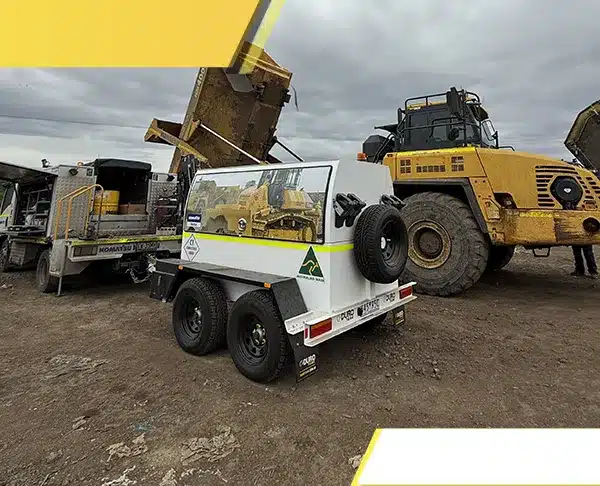
We had a great experience working with Durotank in purchasing our service trailer, from the enquiry stage to the delivery date the Durotank team were pleasant and very professional. Emily from the sales team answered any and all questions we had about specs and options, working with us to meet expectations and budget limitations. The production team kept us well informed of build schedule and approximate delivery dates. Overall we highly recommend the Durotank team if your looking for a service trailer, value for money is second to none and the quality is top notch.
Aaron Asquith - Leading Hand - Rental Komatsu Australia, Truganina Branch VIC
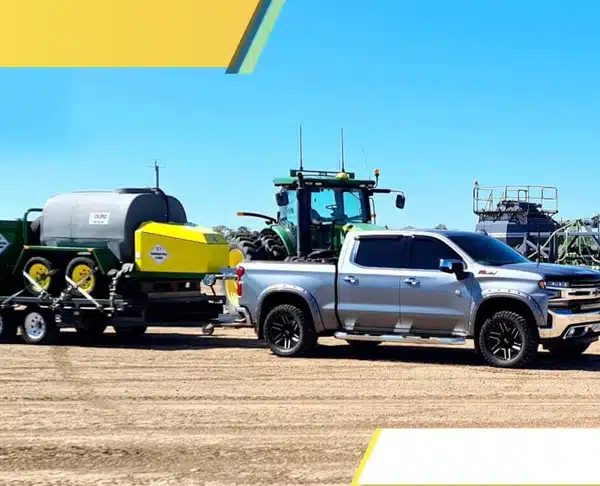
We purchased Durotank’s 2400 Litre poly water trailer with fire-fighter pump and hose reel, plus optional dribble bar and batter sprays attached.
Our property, Duxton Farm, borders the Kakadu National Park in the Northern Territory. Because of this, early season burning is extremely important to prevent uncontrollable bushfires later in the dry season. The trailer has been an invaluable asset to fire control – always full and ready to go when the call comes.
We’ve found it to be well balanced, empty or full, with the baffle ball system effectively controlling surge. We have had no issues with set-up, towing it with either a Landcruiser or Hilux.
Overall, we’re extremely happy with our purchase and the support from the Durotank team. We’ll be back.
Bruce Connolly, Northern Regional Manager, Duxton Farms

I purchased a Poly Tank Fuel Trailer from DUROTANK in April 2018. DUROTANK builds one of the best fuel trailers I have ever used. The build quality, engineering and attention to detail is unreal. The fuel trailer is rock solid, it tracks extremely well full of fuel at 100km/hr and its road worthy. All of the fittings are hoses are high quality hydraulic hose and crimped fittings so there are no leaks. The Durotank team is very easy to deal with and more than happy to help with any enquiries. The staff are friendly and it is a pleasure to do business with them. I’d buy another one in a heartbeat, that’s for sure
Ben Harris – AB Contract Farming
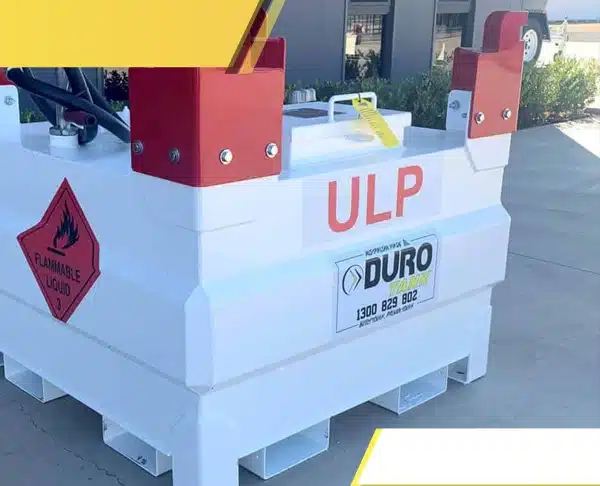
The Duro Cubes are going extremely well! My guys are very happy with them. Having them already saved us on oil transport on at least 2 occasions so far and has also allowed us to restructure our oil work days and use out of hours oil deliveries to make more efficient use of the time on site.
Field Supervisor, Electricity Distributor (AUSGRID)
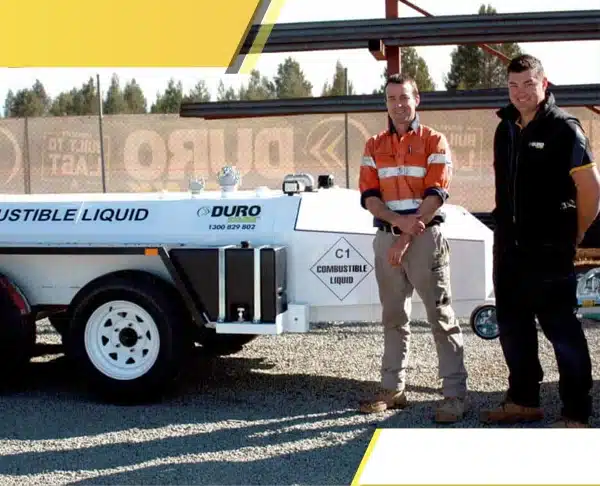
The fuel trailer I purchased from DUROTANK is well designed to withstand the harsh mining environment I work in, with no compromise to efficient and reliable fast fuel delivery
Brad Black – Hardrock Blasting Services
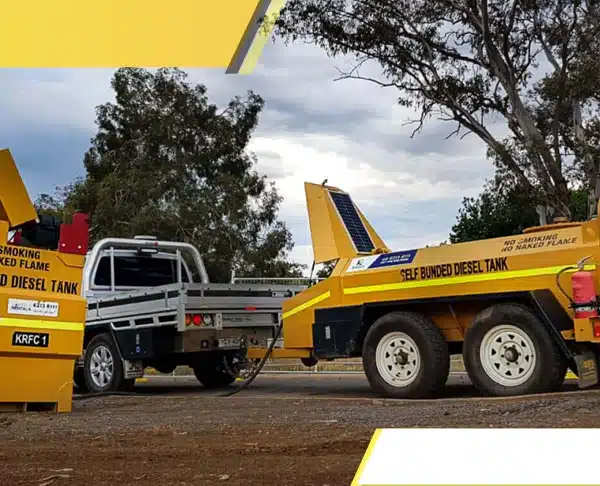
I would like to recommend Durotank to anyone that is considering their products. From first enquiry to after the product was delivered the customer experience was flawless.
Nick Dunlop – Kelton Rentals
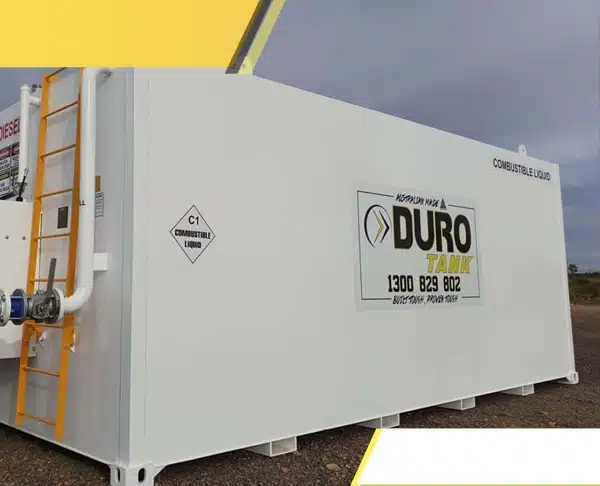
As a business owner I would highly recommend DUROTANK to any person who is serious about saving money, purchasing and storing their own fuel in bulk, particularly in today’s challenging economic times. DUROTANK supplied us an excellent quality Australian made fuel tank built to the specs that suited out business. Our staff love how easy it is to use and how much time it saves refuelling each week. We purchased the Smartfill System with it and its definitely a worthwhile investment both for use and fuel management. The aftersales service from DUROTANK has been outstanding.
Tony Grace – Lachlan Valley
The supply process from quotation to order placement, being kept informed of manufacturing process and delivery date and final delivery was seamless. I really appreciated the proactive approach to driving a positive Customer Experience. I couldn’t fault the product or service at all.
Peter – Meadows Family Restaurants
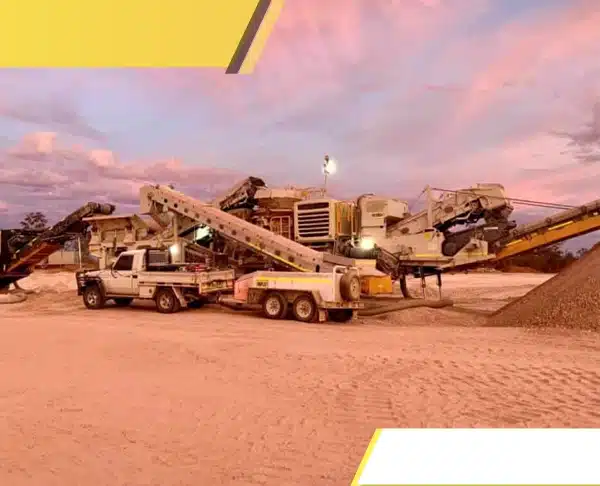
All our fuel trailers and on site tanks are supplied by Durotank which are built with strength and quality and always delivered on time, helpful and friendly staff, won’t get better.
