
Self-Bunded or Single Wall? Which Diesel Tank You Actually Need
Search this question online and you will drown in British heating oil advice. OFTEC guidance, Environment Agency rules, Scottish EPA thresholds, prices in pounds. None of it applies to a mine site in the Pilbara, a cropping property in the Riverina or a civil crew in South East Queensland.
This comparison is Australian only, anchored in AS1940 and the way state regulators actually enforce it.
One point of clarification before we start, because the terminology trips people up. Single wall refers to the tank wall itself, meaning the tank has one wall and no integral containment. It is a different comparison from self bunded versus externally bunded, which is about where the containment sits when you already have a single wall tank. If that is the question you are asking, read our piece on self bunded versus externally bunded tanks instead.
What is a self bunded tank?
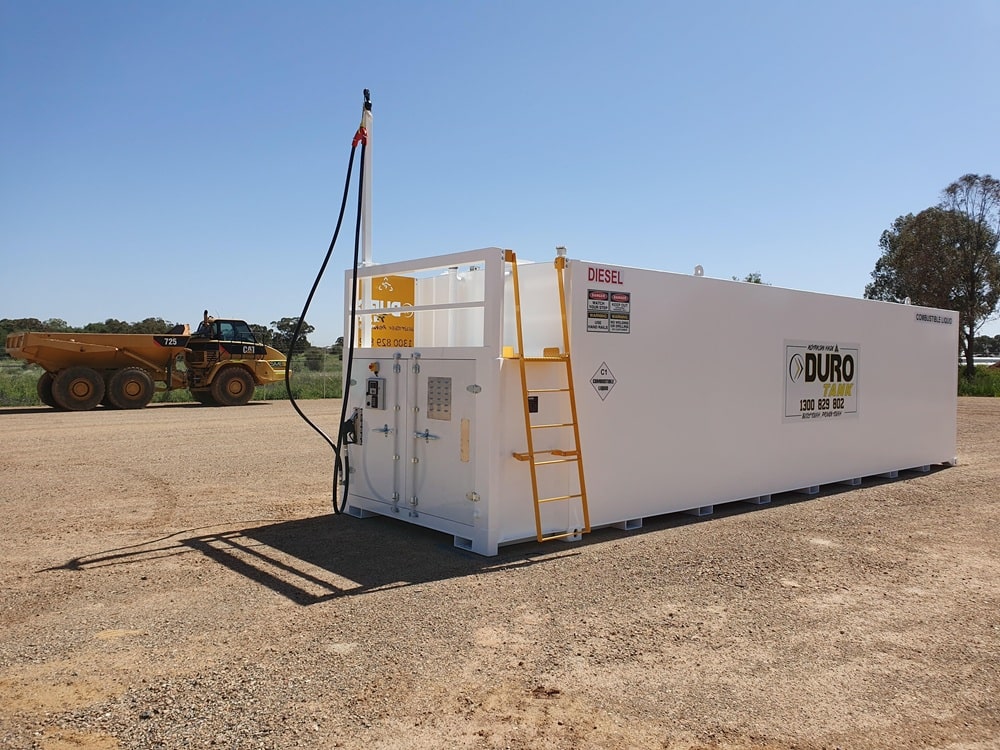
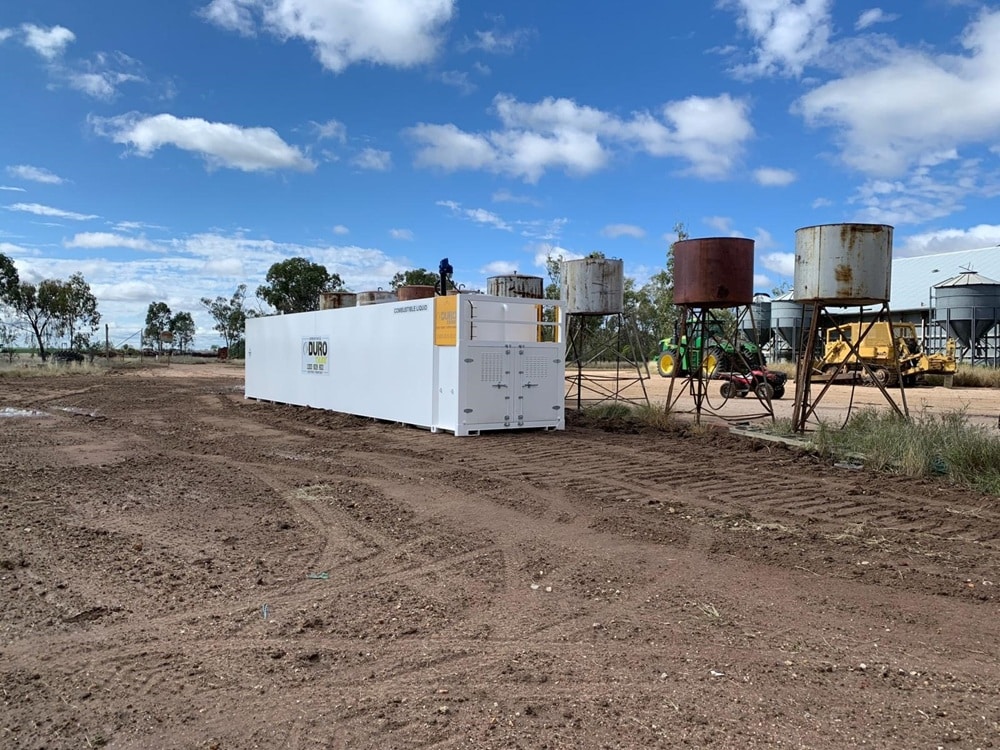
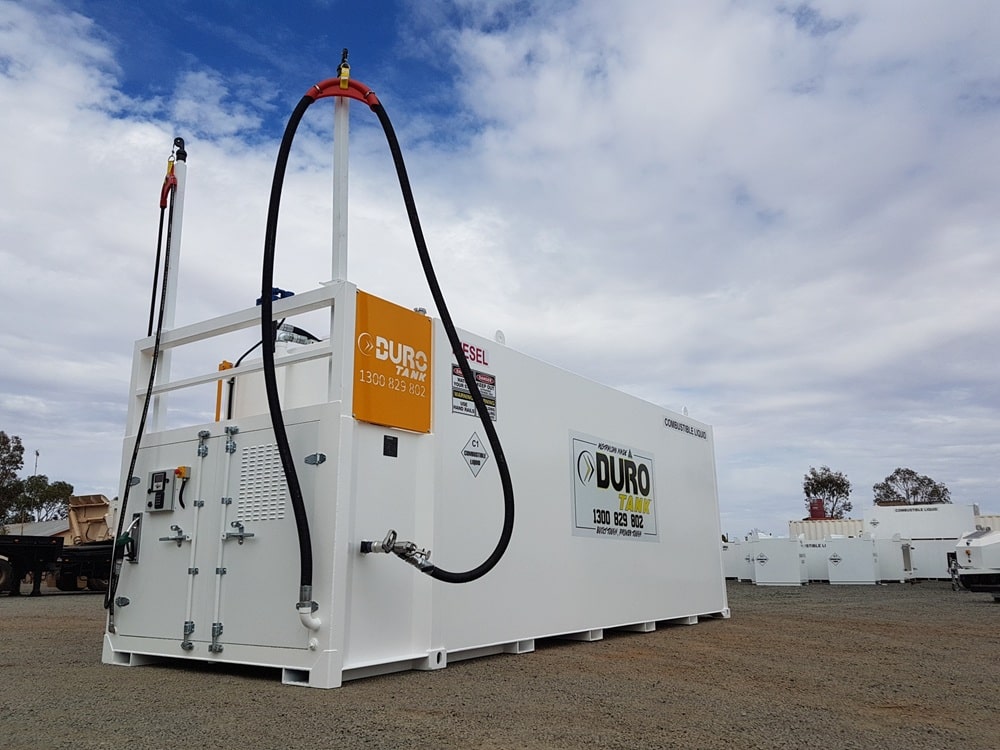
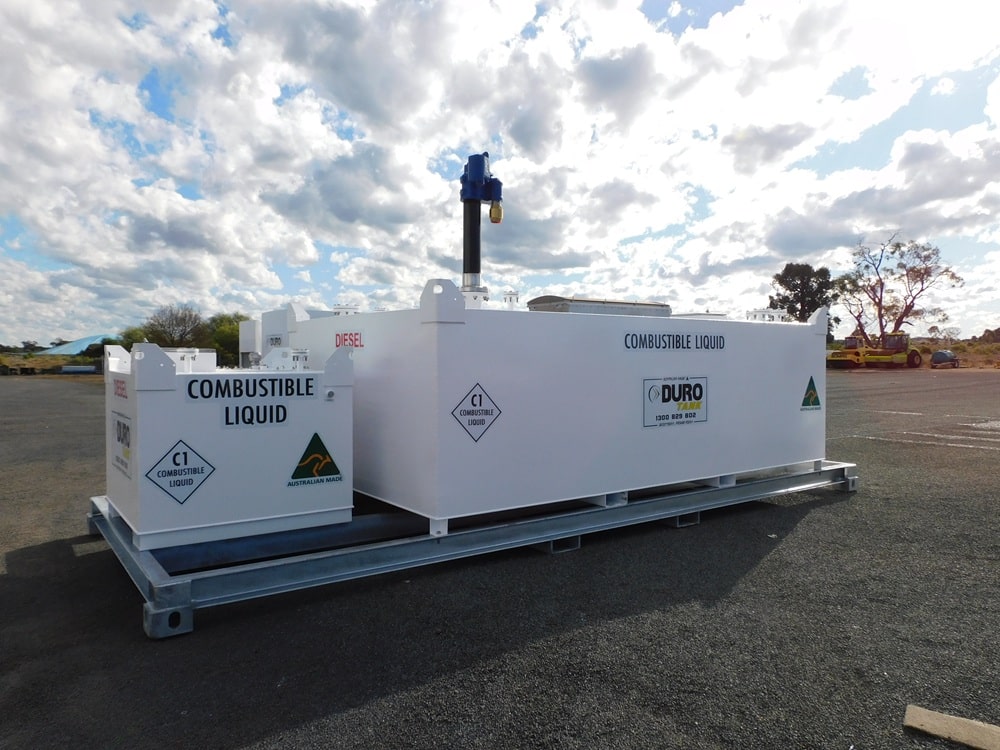
A self bunded tank is a fuel tank built as a tank within a tank. An inner vessel holds the diesel, and a sealed outer shell surrounds it, sized to contain the entire inner tank contents plus a safety margin if the inner wall ever fails. Because containment is integral to the unit, no separate concrete or earthen bund is required on site.
Our complete guide to self bunded tanks covers the construction in full detail.
What is a single wall tank?
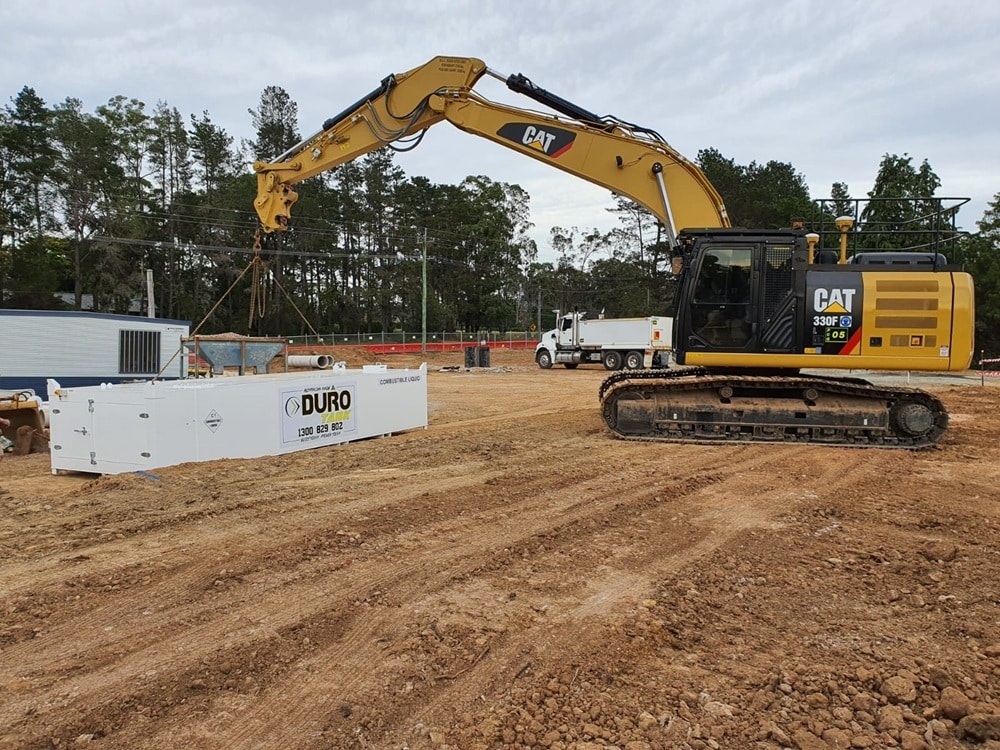
A single wall tank has one wall and no built-in containment. If the wall is breached, the contents go straight to ground. To store bulk diesel legally in Australia, a single wall tank must sit inside a separately constructed compound bund with the capacity to hold at least 110 percent of the tank’s volume.
Side by side comparison
| Self-bunded tank | Single wall plus compound bund | |
| Secondary containment | Integral, built into the unit | Separately constructed on site |
| Site civil works | Level pad or hardstand only | Concrete bund, walls, drainage, engineering |
| Time to commission | Delivered and operational in days | Weeks, subject to trades and weather |
| Rainwater in containment | None, containment is sealed | Collects and becomes contaminated stormwater |
| Ongoing water disposal cost | Nil | Testing plus licensed disposal, recurring |
| Leak detection | Interstitial space can be monitored | Visual inspection of bund only |
| Relocation | Craned and moved, containment travels with it | Bund abandoned, civil works written off |
| Bund maintenance | Not applicable | Crack repair, joint sealing, recertification |
| Upfront tank cost | Higher | Lower |
| Total installed cost | Usually lower | Usually higher once civil works are counted |
| Residual value | Retains resale value as a compliant asset | Tank only, bund has none |
| Suits constrained sites | Yes, fire-rated options reduce separation | Bund footprint adds to space required |
Is a single wall diesel tank legal in Australia?
Yes, with a condition attached. A single wall tank is legal for bulk diesel storage provided it sits within a compound bund that meets AS1940, holding at least 110 per cent of the largest tank’s capacity, constructed from impervious material, with controlled drainage and no unsealed penetrations.
Nothing in the standard bans single wall tanks. The question is not whether you are allowed to use one; it is whether the compound bund route makes sense once you price the full picture.
There are situations where it genuinely does:
- You already have an engineered, certified bund in serviceable condition and you are only replacing the tank
- The installation is permanent, on land you own, with no realistic prospect of relocation
- You need a very large capacity where the bund is being built for a tank farm serving multiple vessels
- Capital budget is the binding constraint this financial year and operating costs sit in a different budget
Why compound bunds fail in practice
Compound bunds look economical on a quote and then quietly cost money for the next fifteen years. Four issues account for most of it.
Rainwater ingress. An open bund is a swimming pool. Every rain event fills it, and the moment there is any hydrocarbon sheen on that water, from a drip at the fill point or residue on the tank exterior, it stops being stormwater and becomes contaminated waste. It cannot be pumped onto the ground or into a drain.
Contaminated water disposal. So it gets tested and removed by a licensed contractor. In high rainfall areas that becomes a recurring line item, and in wet seasons it can happen monthly. Operators who did not budget for it are the ones tempted to open the bund drain valve, which is precisely the offence EPA officers prosecute.
Structural degradation. Concrete cracks. Joints fail. Penetrations for pipework leak. A bund is a piece of engineering that requires inspection, repair and periodic recertification, and a bund that no longer holds 110 percent is not compliant.
No relocation path. Sites change. Sheds get built, projects finish, leases end, operations expand into new paddocks or new pits. A compound bund pins your fuel storage to one spot permanently. When you move, you leave the civil works behind and pay to remediate the ground beneath.
The whole of life cost picture
Compare tank prices and single wall wins. Compare installed and operating costs across ten years and the ranking usually reverses.
Costs that belong in a fair comparison:
Upfront, single wall route
- Tank purchase
- Bund design and structural engineering certification
- Excavation, formwork, reinforcement, concrete and sealing
- Drainage, valves and pipework penetrations
- Council approval for the structure, often more involved than for a relocatable unit
- Project time before fuel can be delivered
Ongoing, single wall route
- Contaminated water testing and licensed disposal
- Bund inspection, crack repair and joint resealing
- Periodic recertification
- Higher inspection burden at audit
Upfront, self-bunded route
- Tank purchase, at a higher unit price
- Level pad or hardstand
- Delivery and craneage
Ongoing, self-bunded route
- Routine tank inspection
- Interstitial monitoring checks
At end of life or relocation
- Self-bunded: crane it, move it, recommission it, or sell it as a compliant asset
- Single wall: decommission the tank, assess and potentially remediate the bund and ground beneath, write off the civil works
The gap widens with rainfall, with site instability and with the likelihood that you will ever want the tank somewhere else. For a mining contractor or a civil operator, that likelihood is close to certain.
Choose based on your situation
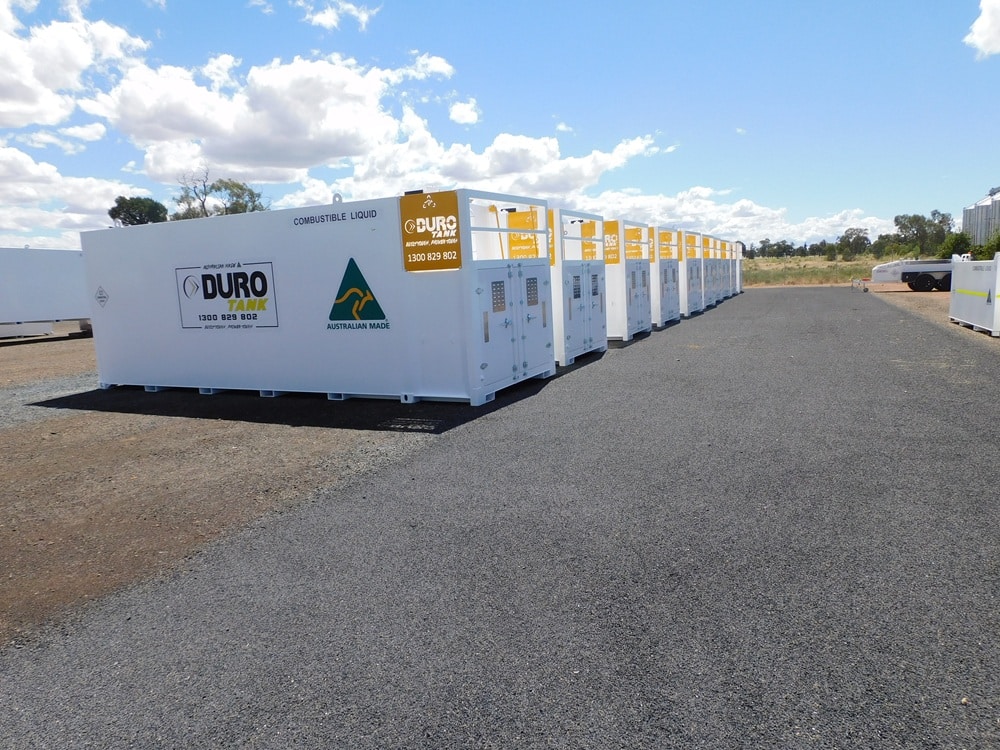
Choose a self-bunded tank if:
- Your site may change, expand or close within the tank’s service life
- You are on a leased site, a project site or a mine
- You are in a high rainfall region where an open bund fills regularly
- You want fuel on site in days rather than after a civil works program
- You want leak detection rather than relying on visual inspection (not standard)
- You want the asset to hold resale value
A single wall tank plus compound bund can work if:
- You already own a certified, serviceable bund and are only replacing the tank
- The installation is genuinely permanent on freehold land
- You are building a multi-tank farm where the bund serves several vessels
- Rainfall is low and disposal costs will stay minimal
- Upfront capital is the hard constraint and you accept the operating cost
Matching capacity to the decision
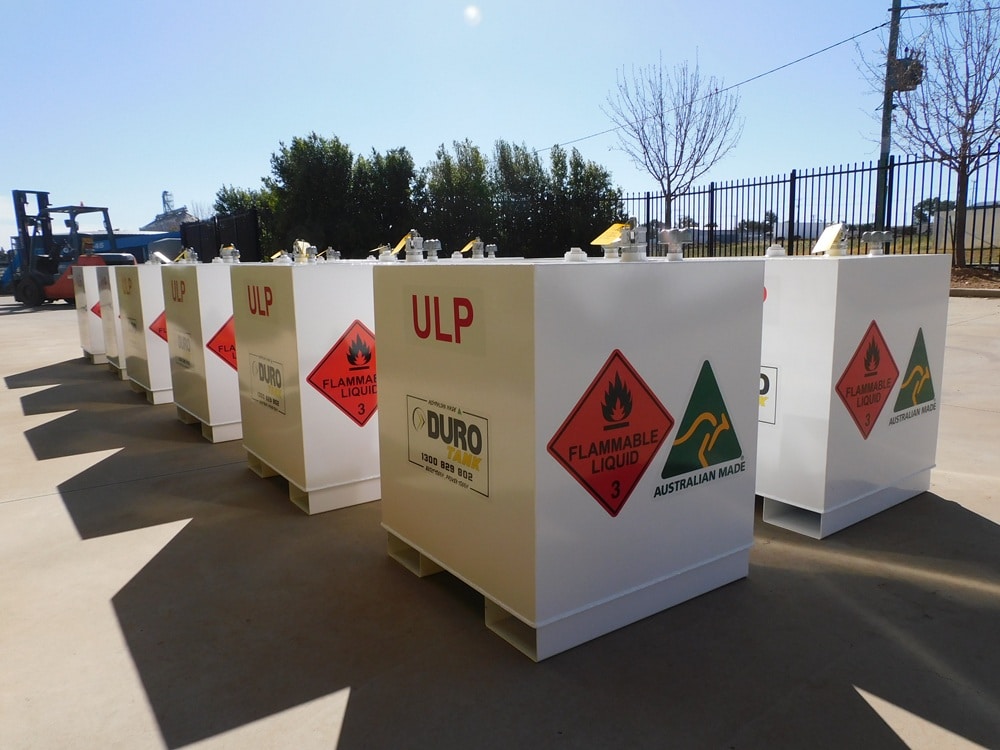
For small volumes the calculation is different again. A compact single wall unit such as the 350 litre single wall fuel tank suits workshop and light vehicle use where bulk storage rules do not bite in the same way.
Once you are into genuine bulk storage, self bunded is the practical default. A 5,000 litre self bunded smart cube covers mobile crews and small farms, and capacities scale from there across the self bunded fuel tank range up to 110,000 litres for site wide bulk supply.
Whichever you choose, separation distances, venting, safe fill and signage requirements apply either way. Our AS1940 compliance guide sets out the full obligation list before you finalise a location.
Frequently Asked Questions
What is a self bunded tank?
A self bunded tank is a tank within a tank. An inner vessel stores the diesel and a sealed outer shell contains the full inner tank volume plus a margin if the inner wall fails. Containment is integral to the unit, so no separate concrete or earthen bund is needed on site and the tank arrives compliant.
Is a single wall diesel tank legal in Australia?
Yes, provided it sits inside a compound bund that complies with AS1940. The bund must hold at least 110 per cent of the largest tank’s capacity, be built from impervious material and have controlled drainage. A single wall tank used for bulk diesel without compliant secondary containment is not legal anywhere in Australia.
Does a self bunded tank need an external bund?
No. The integral outer shell already provides the secondary containment AS1940 requires, so building a separate bund around it is unnecessary duplication. The sealed design also keeps rainwater out of the containment space, eliminating the contaminated stormwater testing and disposal costs that come with an open compound bund.
Why is the containment requirement 110 per cent?
The extra 10 per cent above tank capacity provides headroom for rainfall, firefighting water and foam that may enter the containment during an incident. Containment sized at exactly 100 per cent would overflow the moment anything other than the fuel itself entered it, defeating the purpose of the bund.
Which is cheaper over ten years?
Self bunded is usually cheaper despite the higher tank price. The single-skin route adds bund design, engineering certification and concrete works upfront, then recurring contaminated water disposal, bund maintenance and recertification. Self bunded units also retain resale value and can be relocated, while a compound bund is written off if the site changes.
Get a straight recommendation for your site
The right answer depends on your rainfall, your tenure, your separation constraints and how likely it is that this tank stays where you first put it.
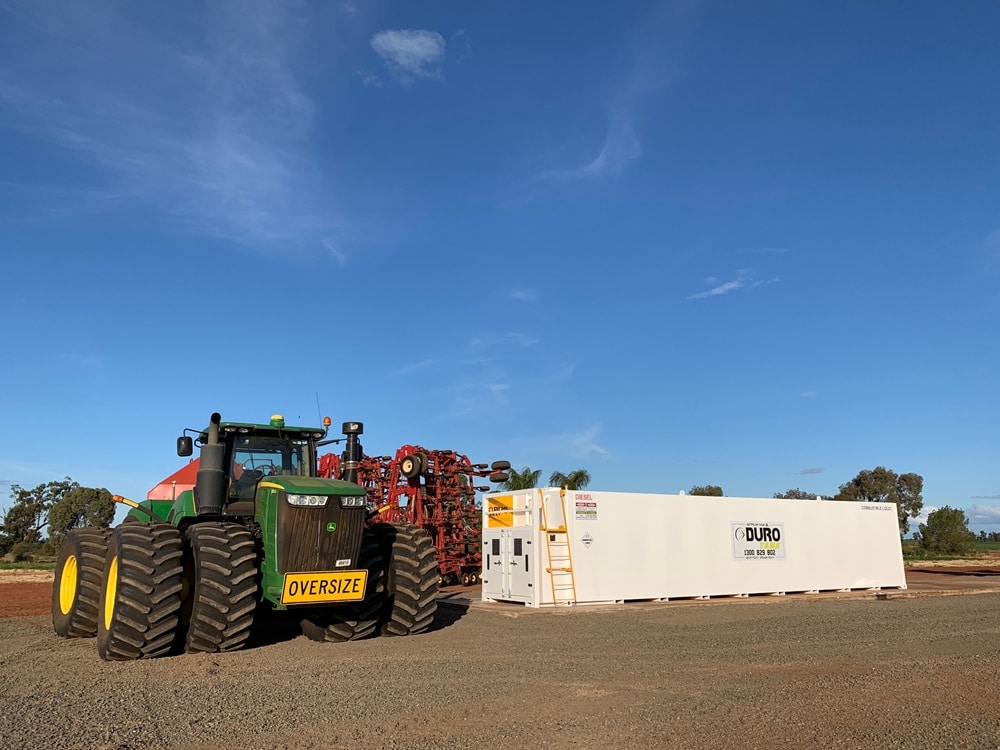
Durotank supplies AS1940 compliant self bunded and single wall diesel tanks across Australian mining, agriculture, civil and transport operations.Our team assesses these trade offs on real sites every week. If you are still narrowing down capacity, the full diesel storage tank range lets you compare options from small skid units up to the 50,000 litre self bunded smart tank.
Send us your capacity requirement and a photo or sketch of your site, and we will tell you which option costs you less over ten years. Request a quote or call our team today and get fuel on site without the compliance guesswork.
Fuel storage is a critical component of operations across many industries in Australia. From farms and mines to construction sites…
AdBlue has quietly become essential kit for anyone running modern diesel equipment. It keeps engines compliant with emissions rules by…
A backup generator is only as reliable as the fuel sitting behind it. You can invest in the best standby…
Diesel does not last forever. Left sitting in a tank, the fuel you bought in good condition slowly changes, and…
If you store diesel on a farm, a mine site, a civil project or a transport depot, AS1940 is the…
When you are comparing steel fuel tanks, they can look remarkably similar on paper. They may have the same capacity,…
Buying a diesel tank looks simple until you start comparing them. Capacities range from a few hundred litres to six…

My experience with Durotank was exceptional from start to completion.
Emily was patient with us from the start - we took a while to make our decision, but she was always ready to help. She proactively addressed all enquiries and offered comprehensive support. No pressure, just good service.
Furthermore, Durotank was highly accommodating when we requested custom signage. It turned out great and looked fantastic.
I highly recommend Durotank to any organisation seeking a seamless, efficient, and thoroughly professional supplier for diesel tank requirements.


Joe Valesini - AUS Inds Customer Relationship Manager Motion
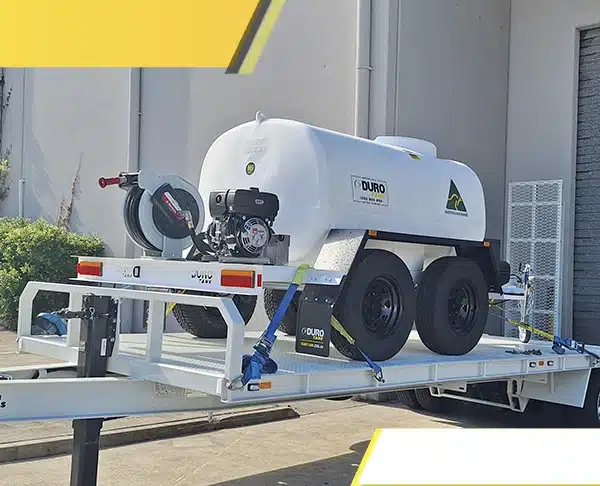
We had a great experience working with Durotank on our order for a 2,400L water cart trailer, set up for firefighting and tree watering. Their team was responsive throughout the process and delivered exactly what we needed on schedule, despite a very tight timeframe. The build quality is excellent - it’s clear a lot of care and expertise went into the manufacturing. We also value being able to support an Australian-made company and wouldn’t hesitate to recommend Durotank for both their product quality and service.
Joel Courtney – APMS Operations

We considered many other brands of diesel tank but quickly settled on Durotank - they ticked all the boxes. An Australian-made, self bunded quality tank with the ability to load and transport on-site whilst full is a winner.
The team communicated professionally with us regarding modifications and build timing. We will certainly use Durotank again and would confidently recommend them to others.
Andrew Reeves, Ethtec
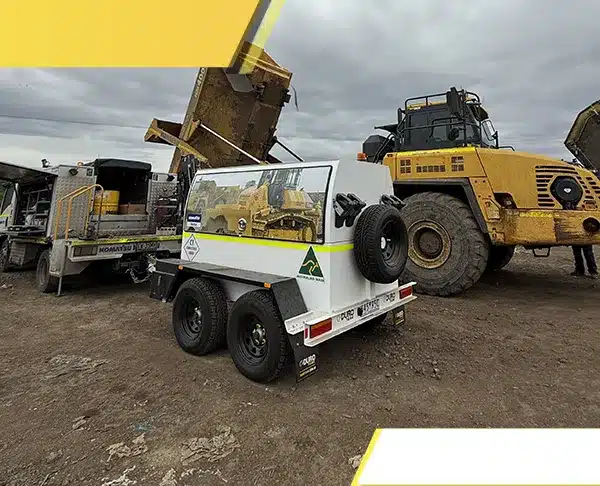
We had a great experience working with Durotank in purchasing our service trailer, from the enquiry stage to the delivery date the Durotank team were pleasant and very professional. Emily from the sales team answered any and all questions we had about specs and options, working with us to meet expectations and budget limitations. The production team kept us well informed of build schedule and approximate delivery dates. Overall we highly recommend the Durotank team if your looking for a service trailer, value for money is second to none and the quality is top notch.
Aaron Asquith - Leading Hand - Rental Komatsu Australia, Truganina Branch VIC
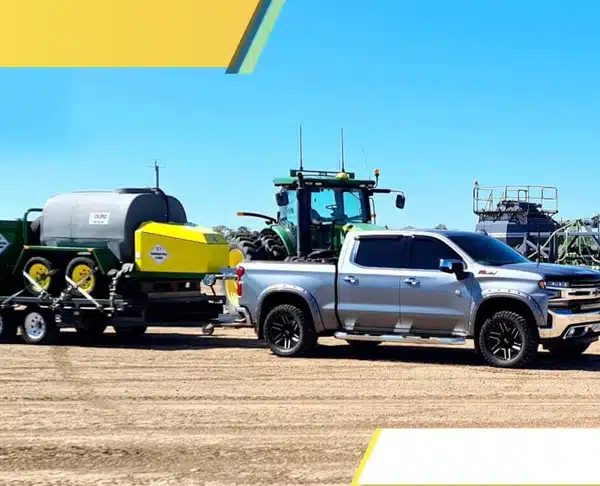
We purchased Durotank’s 2400 Litre poly water trailer with fire-fighter pump and hose reel, plus optional dribble bar and batter sprays attached.
Our property, Duxton Farm, borders the Kakadu National Park in the Northern Territory. Because of this, early season burning is extremely important to prevent uncontrollable bushfires later in the dry season. The trailer has been an invaluable asset to fire control – always full and ready to go when the call comes.
We’ve found it to be well balanced, empty or full, with the baffle ball system effectively controlling surge. We have had no issues with set-up, towing it with either a Landcruiser or Hilux.
Overall, we’re extremely happy with our purchase and the support from the Durotank team. We’ll be back.
Bruce Connolly, Northern Regional Manager, Duxton Farms

I purchased a Poly Tank Fuel Trailer from DUROTANK in April 2018. DUROTANK builds one of the best fuel trailers I have ever used. The build quality, engineering and attention to detail is unreal. The fuel trailer is rock solid, it tracks extremely well full of fuel at 100km/hr and its road worthy. All of the fittings are hoses are high quality hydraulic hose and crimped fittings so there are no leaks. The Durotank team is very easy to deal with and more than happy to help with any enquiries. The staff are friendly and it is a pleasure to do business with them. I’d buy another one in a heartbeat, that’s for sure
Ben Harris – AB Contract Farming
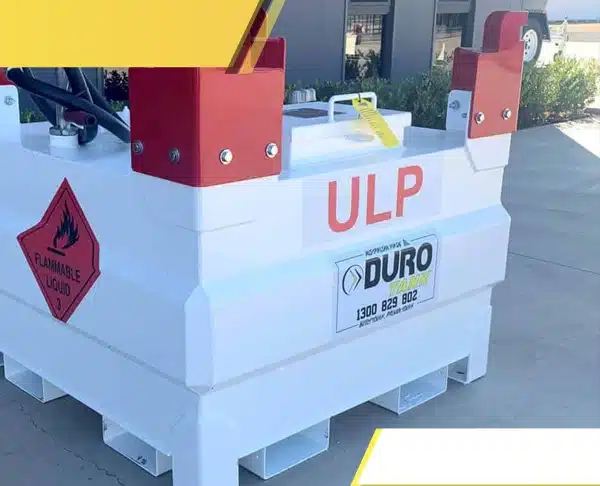
The Duro Cubes are going extremely well! My guys are very happy with them. Having them already saved us on oil transport on at least 2 occasions so far and has also allowed us to restructure our oil work days and use out of hours oil deliveries to make more efficient use of the time on site.
Field Supervisor, Electricity Distributor (AUSGRID)
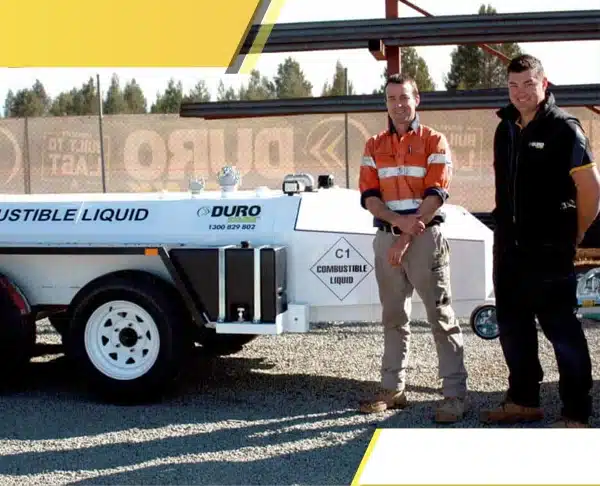
The fuel trailer I purchased from DUROTANK is well designed to withstand the harsh mining environment I work in, with no compromise to efficient and reliable fast fuel delivery
Brad Black – Hardrock Blasting Services
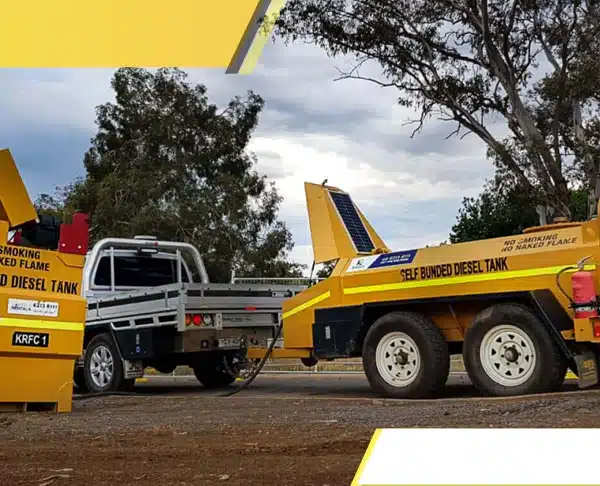
I would like to recommend Durotank to anyone that is considering their products. From first enquiry to after the product was delivered the customer experience was flawless.
Nick Dunlop – Kelton Rentals
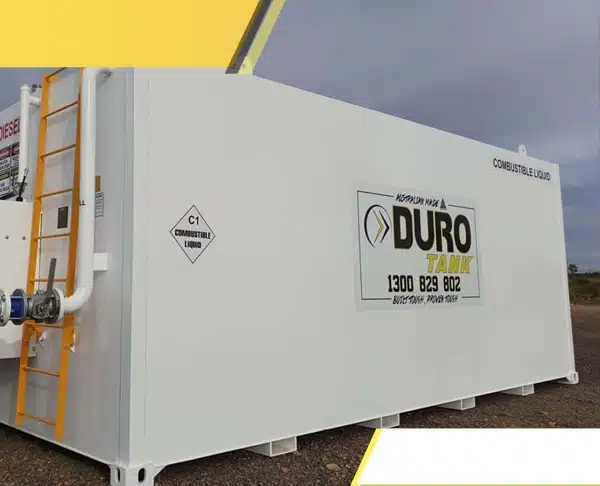
As a business owner I would highly recommend DUROTANK to any person who is serious about saving money, purchasing and storing their own fuel in bulk, particularly in today’s challenging economic times. DUROTANK supplied us an excellent quality Australian made fuel tank built to the specs that suited out business. Our staff love how easy it is to use and how much time it saves refuelling each week. We purchased the Smartfill System with it and its definitely a worthwhile investment both for use and fuel management. The aftersales service from DUROTANK has been outstanding.
Tony Grace – Lachlan Valley
The supply process from quotation to order placement, being kept informed of manufacturing process and delivery date and final delivery was seamless. I really appreciated the proactive approach to driving a positive Customer Experience. I couldn’t fault the product or service at all.
Peter – Meadows Family Restaurants
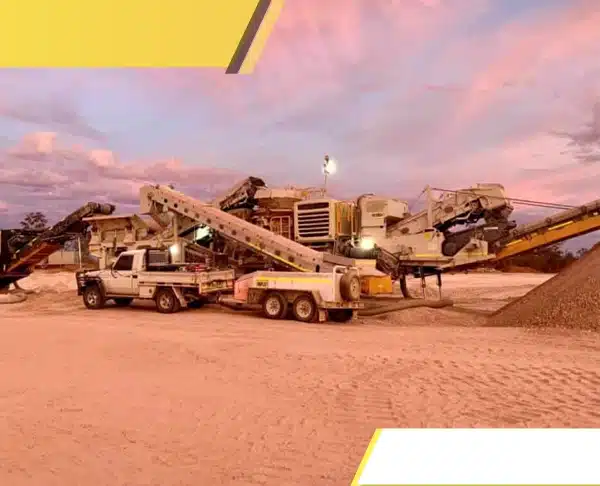
All our fuel trailers and on site tanks are supplied by Durotank which are built with strength and quality and always delivered on time, helpful and friendly staff, won’t get better.
