
Self Bunded vs Externally Bunded Tanks: What’s the Best Choice for Your Operation
Fuel storage is a critical component of operations across many industries in Australia. From farms and mines to construction sites and logistics depots, safely storing diesel, petrol and other fuels is essential for smooth, cost-effective operations.
Two of the most common fuel tank types are self bunded tanks and externally bunded tanks. While both aim to prevent leaks and protect the environment, they differ significantly in structure, cost, convenience and compliance.
If you are trying to decide between these two options, this guide will help you understand the differences and choose the right fuel tank for your needs. A self bunded tank has containment built into the unit and arrives ready to use, while an externally bunded tank is a single-wall tank sitting inside a separate bund built on site. For most modern operations, the self bunded option is simpler, more mobile and lower cost over its life.
What is a Self Bunded Tank
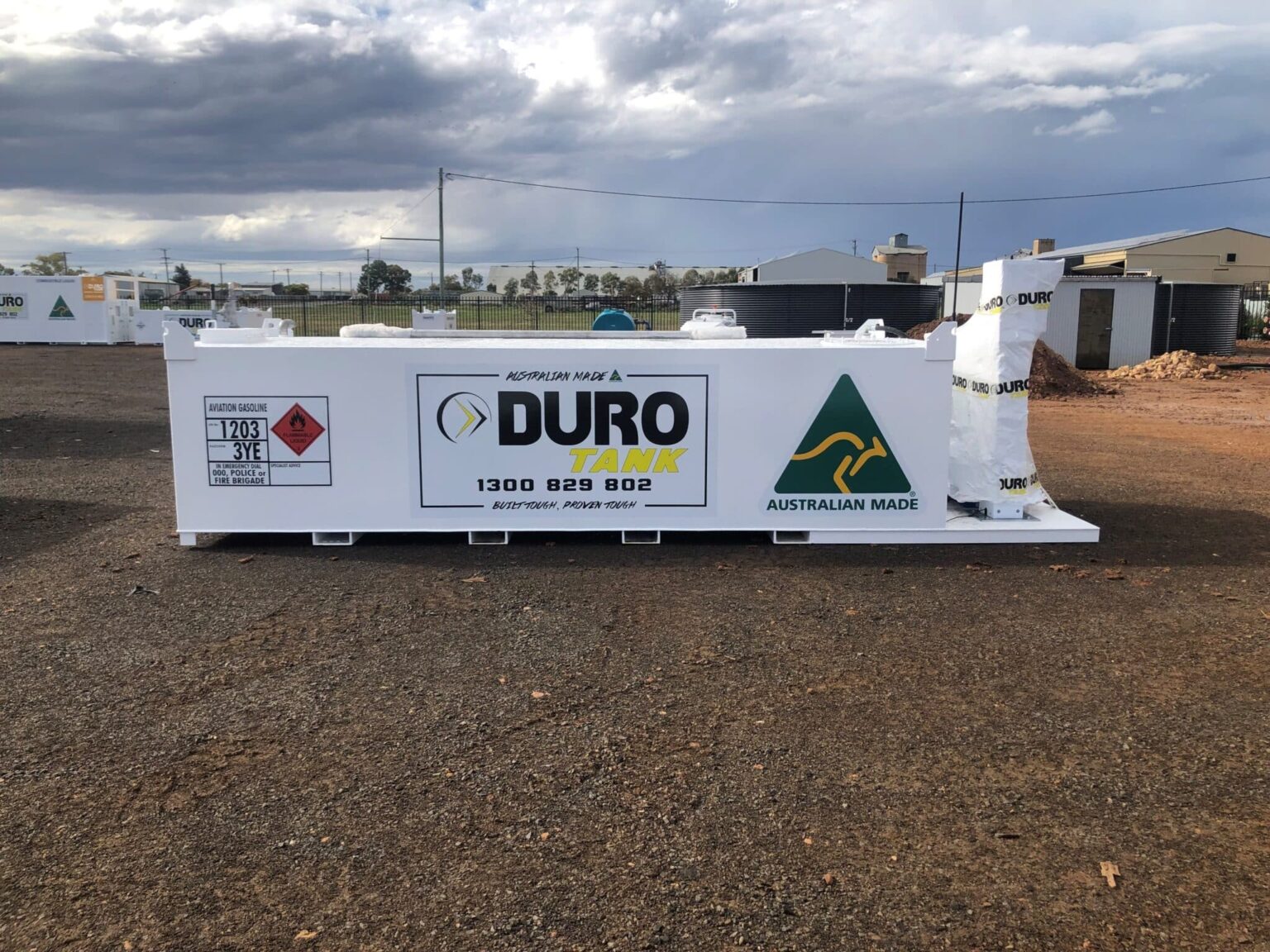
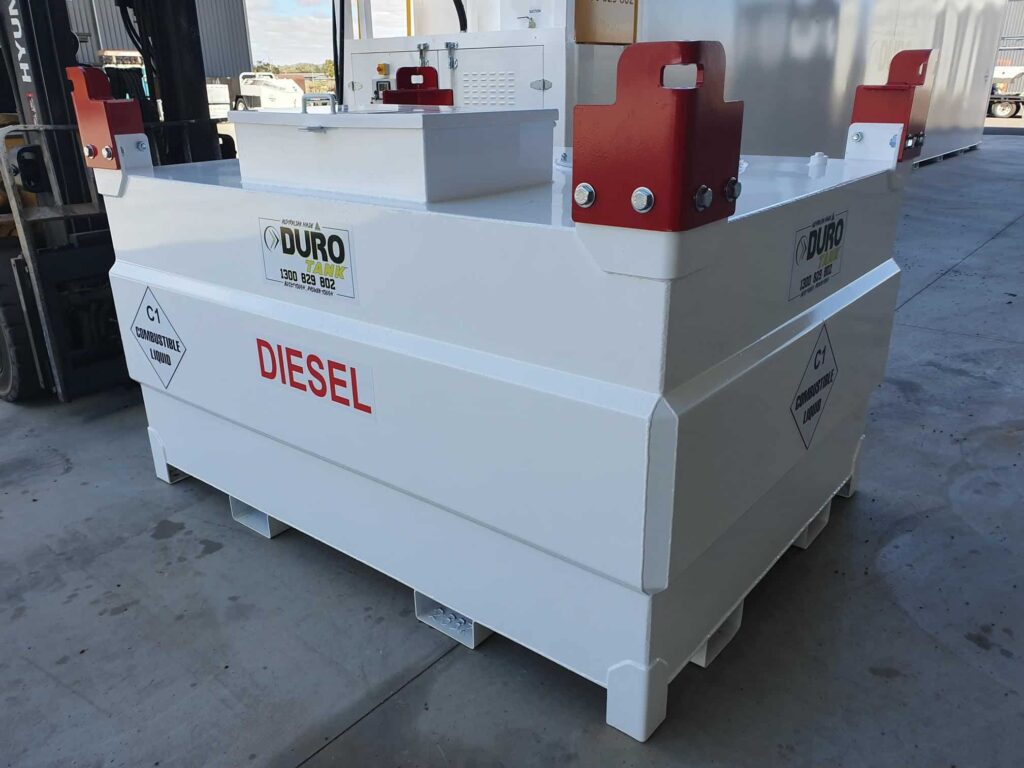
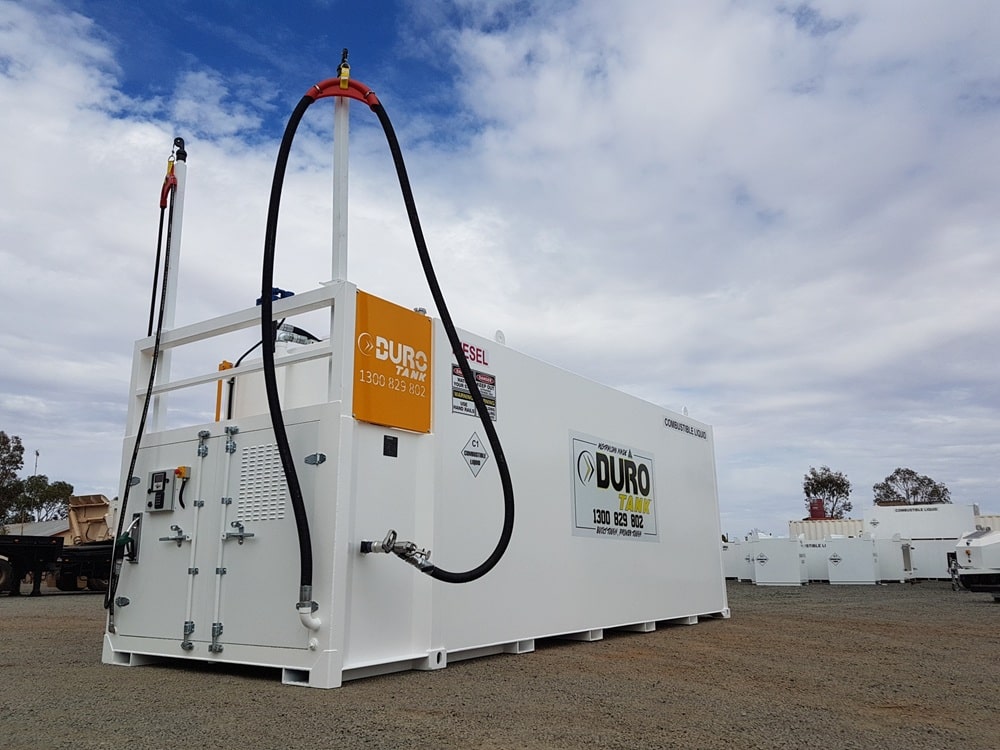
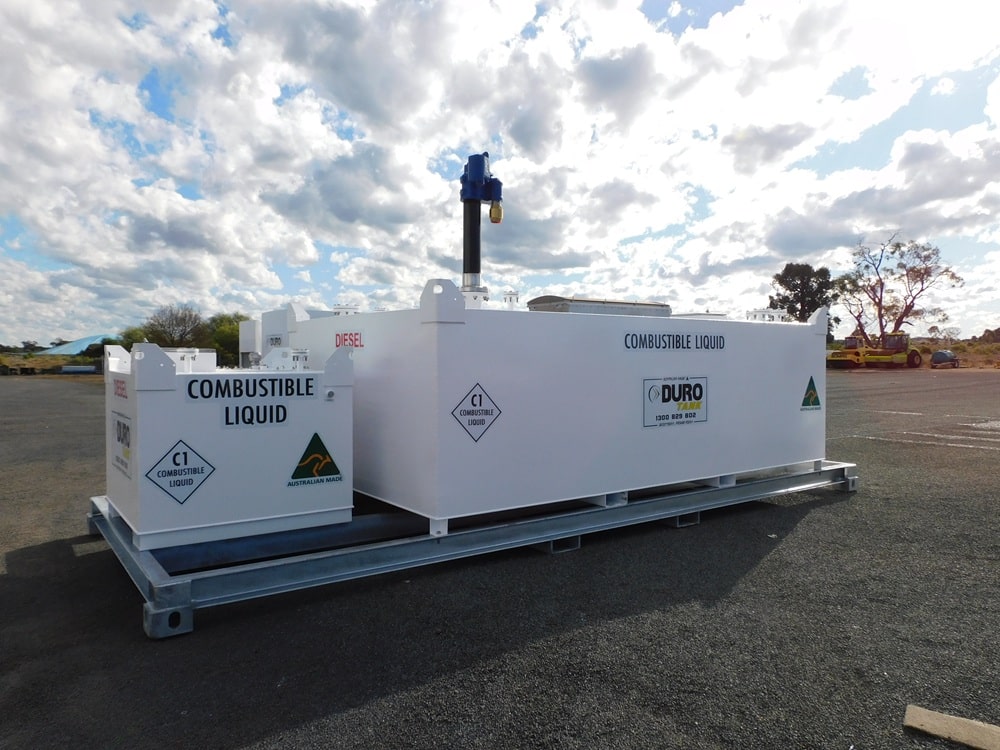
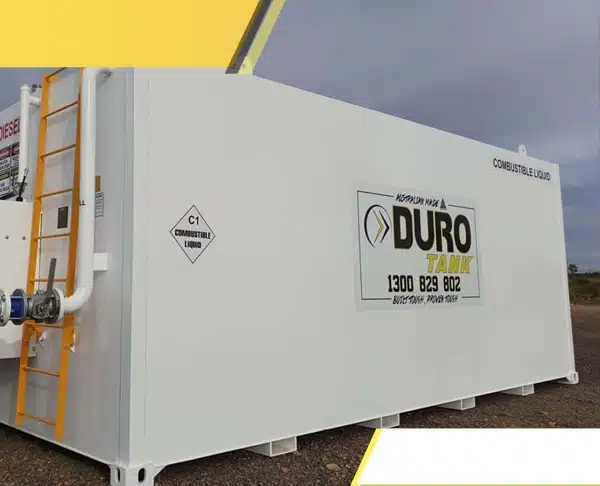
A self bunded tank is essentially a tank within a tank. The inner tank holds the fuel, while the outer tank provides a built-in containment barrier, also called a bund. If the inner tank leaks, the outer tank captures the spill and prevents it from contaminating the environment.
This design is compact, easy to install and often complies with key Australian standards for fuel storage, including AS1940 and AS1692. Because the bund is part of the tank itself, you do not need to build or manage a separate containment structure.
Self bunded tanks are widely used across industries like agriculture, construction, mining, and transport. They are especially useful on mobile sites or in remote areas where installation needs to be quick and simple.
What is an Externally Bunded Tank
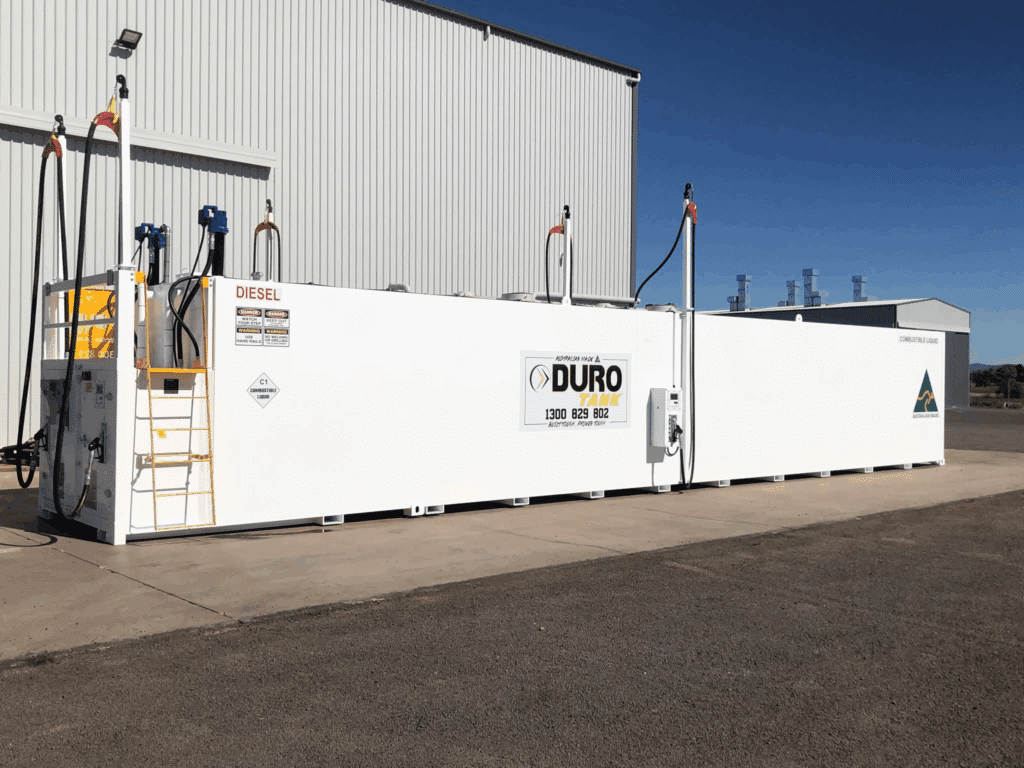
An externally bunded tank is a single-wall tank placed inside a separate bunding structure. This bund may be made from concrete, steel or another material. Its purpose is to contain spills in the event of a tank failure.
Externally bunded tanks require more planning, construction and space. The bund is often built on-site and may need permits, drainage systems and regular inspections. While these tanks can still meet safety regulations, they involve a more complex setup.
This type of tank is more common in large, fixed-location fuel depots or industrial facilities where space is available and the installation is permanent. One important point to be aware of: under AS1940, a single wall tank used for bulk fuel is only compliant if it sits inside secondary containment that holds at least 110 per cent of the largest tank’s capacity, built from impervious material with controlled drainage. Meeting that standard with a site-built bund is where much of the extra cost and maintenance comes from.
Key Differences Between Self Bunded and Externally Bunded Tanks
While both tank types serve the same purpose, their differences are important when choosing the right solution for your operation.
Self-bunded tanks are ready to use on delivery. They require little site preparation and can be placed directly on a level surface such as gravel or a concrete pad. They are portable and can be moved between sites if needed.
Externally bunded tanks, on the other hand, require significant preparation. The bund structure must be constructed separately and often needs approval from environmental authorities. This adds time and cost to the setup.
Another key difference is maintenance. With a self-bunded tank, the bund is enclosed and protected from the elements. Externally bunded tanks, however, may collect rainwater, debris and contaminants, requiring frequent cleaning and inspection. That collected rainwater cannot simply be pumped onto the ground either, because once it has mixed with fuel residue it becomes contaminated water that must be managed and disposed of correctly, an ongoing cost an integral bund avoids.
Compliance and Environmental Protection
In Australia, fuel storage must meet strict regulations. Both self-bunded and externally bunded tanks can be compliant, but self bunded tanks often simplify the process.
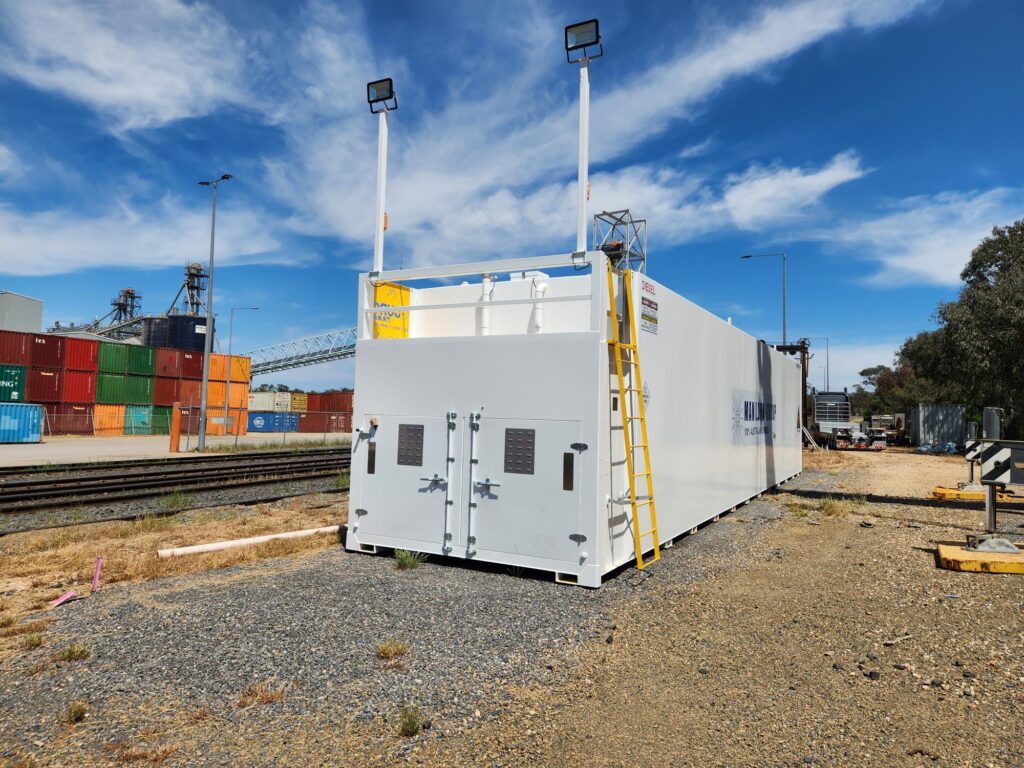
Since the bund is integrated into the tank design, self-bunded models are typically manufactured to meet AS1940 and AS1692 standards. They also often feature overfill protection, emergency vents and leak detection.
Externally bunded tanks can also meet compliance standards, but achieving and maintaining compliance is more complex. The bund must be sized correctly, constructed with appropriate materials, and regularly inspected for cracks, leaks or overflow.
For businesses that want peace of mind with minimal regulatory hassle, self bunded tanks offer a clear advantage.
Installation and Site Requirements
One of the biggest advantages of self bunded tanks is the ease of installation. They can be delivered ready to use, requiring only a flat surface and basic site access. This makes them ideal for remote locations, short-term projects and growing operations.
Externally bunded tanks require more space and civil works. The bund may need a concrete foundation, drainage system and protective coatings. This adds cost, extends lead times and limits future flexibility.
If your operation requires fast deployment or frequent relocation, self-bunded tanks are the more practical solution.
Long-Term Cost Considerations
While self bunded tanks may have a higher upfront cost, they often result in lower overall costs over time. This is due to:
- Reduced installation and civil work expenses
- Lower maintenance requirements
- Simplified compliance processes
- Improved mobility and reusability
Externally bunded tanks may seem cheaper at first, but the cost of constructing and maintaining the bund can add up quickly. Over the tank’s life, self bunded systems tend to offer better value.
Use Cases for Self Bunded Tanks
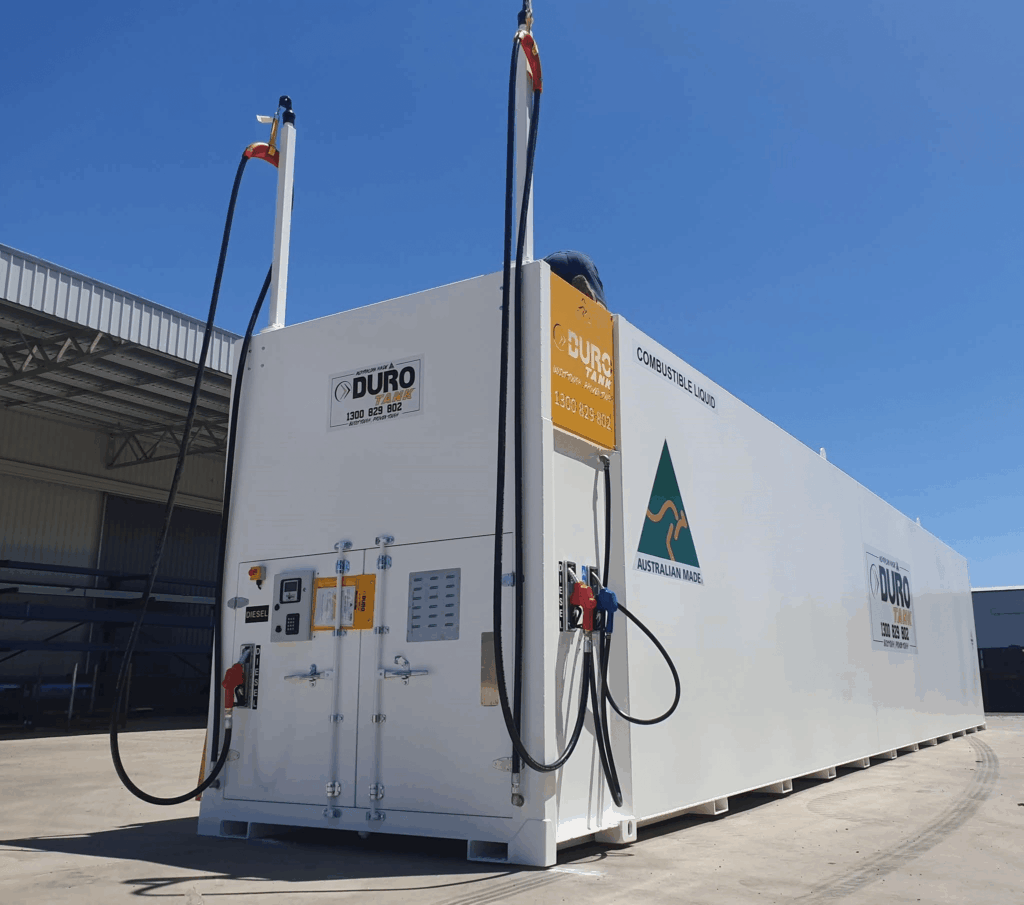
Self bunded tanks are used across a wide range of industries in Australia. Here are some common scenarios where they excel:
- On farms for refuelling tractors and generators
- On construction sites for powering heavy machinery
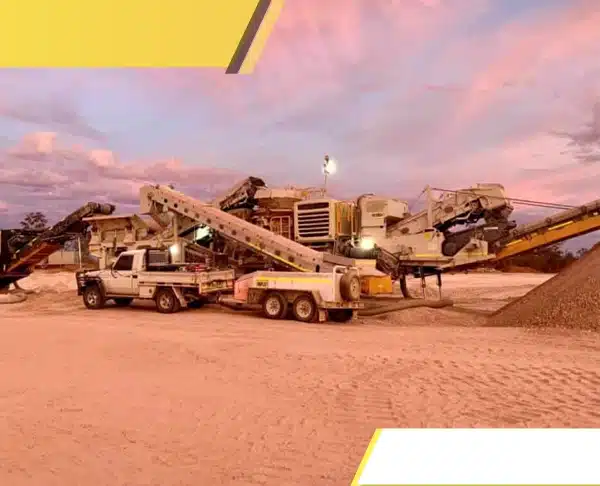
- In mining operations, where fuel storage needs to be durable and mobile
- At transport depots for fleet refuelling and fuel tracking
- In remote locations where installation must be fast and self-contained
Their versatility, portability and reliability make self-bunded tanks popular for businesses seeking efficient and safe fuel storage.
When to Consider an Externally Bunded Tank
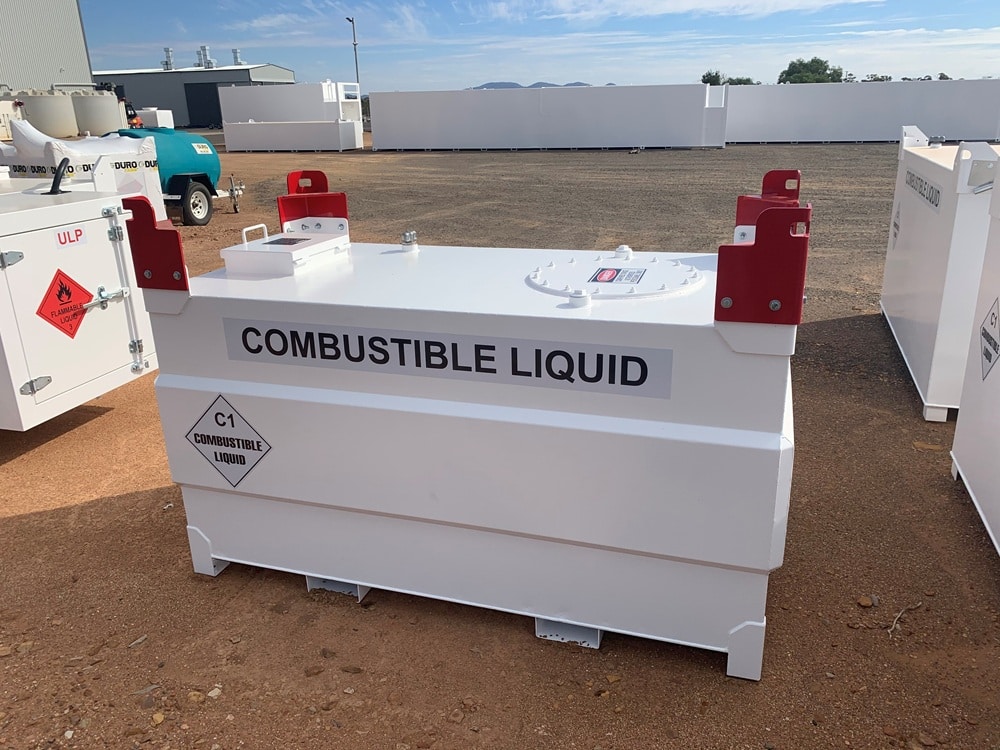
Externally bunded tanks still have a place in the market. They are useful in large fuel depots or facilities that require multiple tanks feeding into a single containment system. They may also be suitable for operations that already have bunding infrastructure in place.
However, for most modern businesses, the flexibility and simplicity of self bunded tanks make them the preferred option. If your real decision is between a single-wall tank and a self bunded one, our comparison of self bunded vs single wall tanks covers that question directly.
Why Durotank Recommends Self-Bunded Tanks
At Durotank, we specialise in Australian-made self-bunded fuel tanks designed for tough conditions and full compliance. Industries across the country trust our tanks for their safety, durability and ease of use.
We offer a wide range of self bunded solutions, including:
- Diesel and AdBlue tanks
- Portable Smart Cubes
- Large-volume tanks for bulk storage
- Tanks with integrated fuel management systems
Whether you need a compact refuelling unit or a large-scale storage solution, we can help you choose the right tank for your operation.
How to Choose the Right Tank for Your Business
Every operation has different requirements, and the best fuel tank depends on several factors. Here are key considerations to guide your decision:
- Fuel volume and usage rate: High-consumption businesses benefit from larger, self-bunded tanks with integrated fuel management systems.
- Mobility needs: If you need to move your tank between job sites, self bunded options are easier to transport.
- Available space: Externally bunded tanks need more room for both the tank and the bund. If space is limited, self bunded tanks offer a compact solution.
- Regulatory requirements: Businesses operating in environmentally sensitive areas may need the additional safety of a self bunded tank.
- Budget and lifecycle cost: While externally bunded tanks may have a lower upfront price, the added construction, compliance and maintenance costs often make them more expensive over time.
A clear assessment of your site conditions, future needs and compliance obligations will help you make the best investment.
Fuel Security and Theft Prevention
Fuel is a valuable asset, and theft or unauthorised use can significantly impact your bottom line. Self bunded tanks offer several built-in features that enhance fuel security:
- Lockable pump cabinets: Prevent access to fuel dispensing equipment.
- Integrated fuel management systems: Track usage by operator, vehicle or time of day.
- Tamper-resistant lids and fittings: Reduce vulnerability to siphoning or unauthorised access.
- Remote monitoring: Alerts for unusual usage patterns or low fuel levels.
Externally bunded tanks can also be secured, but achieving the same level of protection often requires custom solutions, increasing cost and complexity.
Maintenance Tips for Fuel Storage Tanks
Proper maintenance ensures your fuel tank remains safe, compliant and efficient. Here’s how to care for both types:
Self Bunded Tanks
- Regularly inspect the outer bund for signs of corrosion or damage.
- Check the interstitial space (between the walls) for any signs of fluid
- Test overfill prevention and leak detection systems.
- Schedule annual servicing by a qualified technician.
Externally Bunded Tanks
- Inspect the tank and bund structure separately.
- Ensure the bund is sealed, clean and free of rainwater or contaminants.
- Maintain drainage systems and test for cracks or leaks.
- Perform regular structural inspections on bund walls.
Staying proactive with maintenance helps extend the life of your tank and avoids costly environmental or safety issues.
Future Trends in Fuel Storage and Bunded Tank Design
As fuel management technology advances and environmental regulations tighten, fuel storage solutions are also evolving. Here are a few trends shaping the future of bunded tanks:
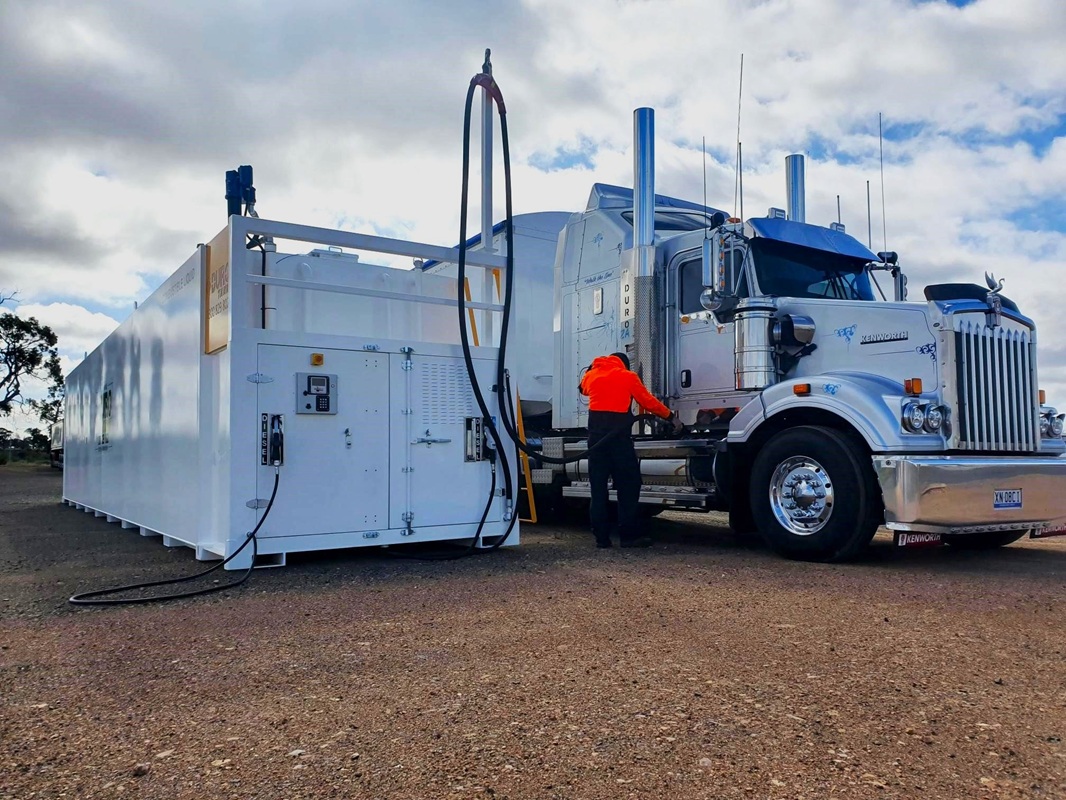
- Smart tank integration: Self-bunded tanks are increasingly being fitted with real-time monitoring systems that track levels, temperature, usage and even detect leaks.
- Hybrid fuel capabilities: Some tanks now support dual fuels (e.g. diesel and AdBlue) to accommodate evolving vehicle and machinery requirements.
- Sustainable materials: Manufacturers are exploring more durable and environmentally friendly materials to extend tank life and reduce environmental impact.
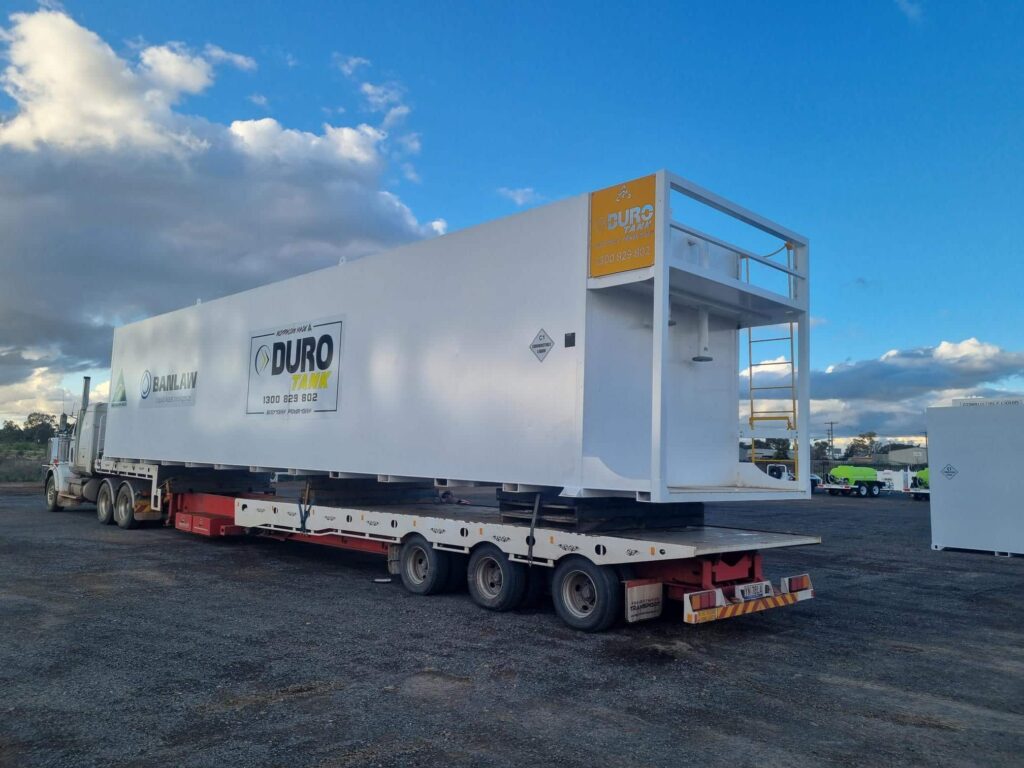
- Remote refuelling solutions: Portable, trailer-mounted self-bunded tanks allow for on-the-go refuelling in remote regions.
Choosing a future-ready solution today ensures long-term flexibility and compliance as regulations and technologies evolve.
Making the Right Choice for Your Fuel Storage Needs
Choosing between a self bunded and externally bunded tank is a decision that impacts your compliance, safety and long-term costs. While both types serve the same essential function, self-bunded tanks offer greater convenience, easier installation, lower maintenance and stronger long-term value.
For most operations in agriculture, construction, mining and transport, self bunded tanks are the smart investment. They deliver robust performance, reduce compliance risk and offer the flexibility that modern businesses need.
If you are ready to improve your fuel storage, explore Durotank’s full range of self bunded fuel tanks or contact our team for expert advice tailored to your site requirements.
Fast turnarounds. Australian Made. Built tough, Proven tough.
FAQs
What is the difference between a self bunded and an externally bunded tank?
A self bunded tank has secondary containment built into the unit as a sealed outer shell, so it arrives ready to use. An externally bunded tank is a single-wall tank placed inside a separate bund built on site. Both contain spills, but the self bunded design needs no separate structure.
Is a self bunded or externally bunded tank cheaper?
A self bunded tank often has a higher upfront price but a lower total cost over its life, because it avoids the civil works, drainage and ongoing bund maintenance an externally bunded tank requires, including disposal of contaminated rainwater from an open bund.
Do bunded tanks need to hold 110 per cent of the tank’s capacity?
Under AS1940, secondary containment for bulk fuel must hold at least 110 per cent of the largest tank’s capacity. A self bunded tank provides this as part of its integral design, while an externally bunded tank relies on a correctly sized, site-built bund.
Can an externally bunded tank be relocated?
Not easily. The bund is usually a fixed, constructed structure, so relocating means building new containment at the next site. Self bunded tanks are designed to be moved and reused, which suits growing or mobile operations.
Which tank is better for a remote or mobile site?
A self bunded tank, in almost every case. It arrives ready to use, needs only a level surface, and can be relocated as your operation moves, making it ideal for remote, temporary or changing sites where building an external bund is impractical.
AdBlue has quietly become essential kit for anyone running modern diesel equipment. It keeps engines compliant with emissions rules by…
A backup generator is only as reliable as the fuel sitting behind it. You can invest in the best standby…
Diesel does not last forever. Left sitting in a tank, the fuel you bought in good condition slowly changes, and…
If you store diesel on a farm, a mine site, a civil project or a transport depot, AS1940 is the…
When you are comparing steel fuel tanks, they can look remarkably similar on paper. They may have the same capacity,…
Search this question online and you will drown in British heating oil advice. OFTEC guidance, Environment Agency rules, Scottish EPA…
Buying a diesel tank looks simple until you start comparing them. Capacities range from a few hundred litres to six…
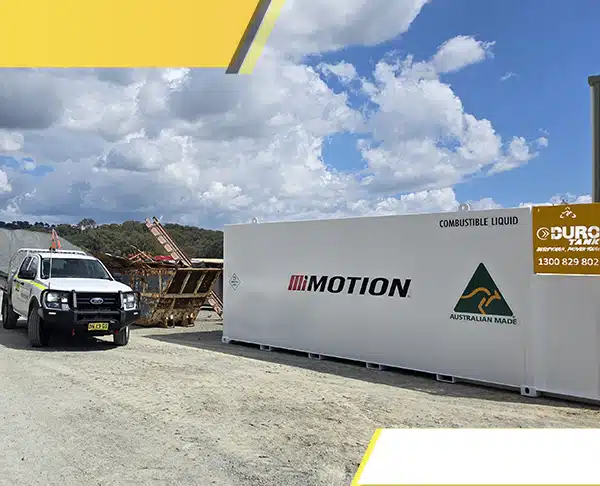

My experience with Durotank was exceptional from start to completion.
Emily was patient with us from the start - we took a while to make our decision, but she was always ready to help. She proactively addressed all enquiries and offered comprehensive support. No pressure, just good service.
Furthermore, Durotank was highly accommodating when we requested custom signage. It turned out great and looked fantastic.
I highly recommend Durotank to any organisation seeking a seamless, efficient, and thoroughly professional supplier for diesel tank requirements.


Joe Valesini - AUS Inds Customer Relationship Manager Motion
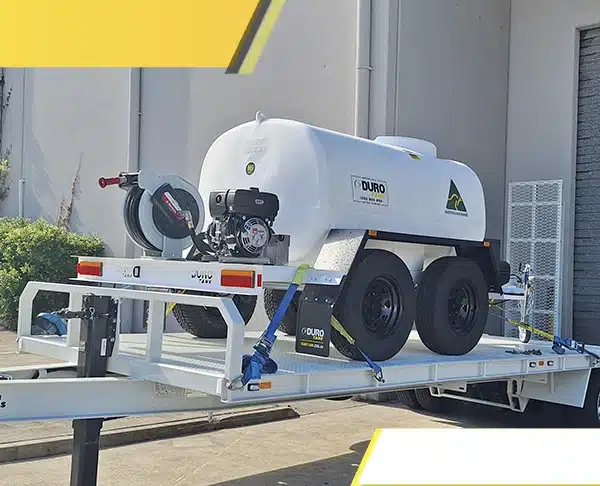
We had a great experience working with Durotank on our order for a 2,400L water cart trailer, set up for firefighting and tree watering. Their team was responsive throughout the process and delivered exactly what we needed on schedule, despite a very tight timeframe. The build quality is excellent - it’s clear a lot of care and expertise went into the manufacturing. We also value being able to support an Australian-made company and wouldn’t hesitate to recommend Durotank for both their product quality and service.
Joel Courtney – APMS Operations

We considered many other brands of diesel tank but quickly settled on Durotank - they ticked all the boxes. An Australian-made, self bunded quality tank with the ability to load and transport on-site whilst full is a winner.
The team communicated professionally with us regarding modifications and build timing. We will certainly use Durotank again and would confidently recommend them to others.
Andrew Reeves, Ethtec
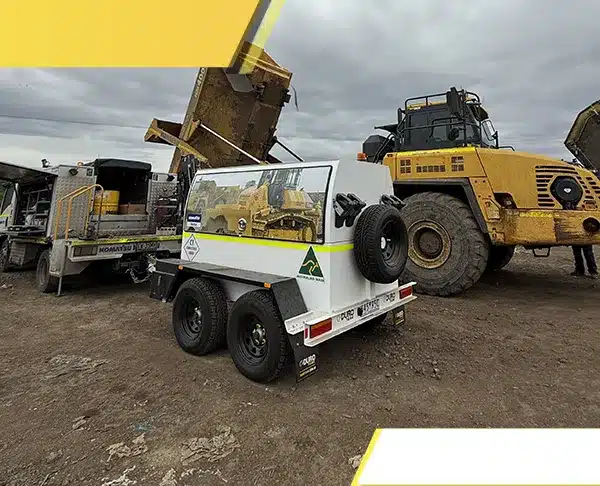
We had a great experience working with Durotank in purchasing our service trailer, from the enquiry stage to the delivery date the Durotank team were pleasant and very professional. Emily from the sales team answered any and all questions we had about specs and options, working with us to meet expectations and budget limitations. The production team kept us well informed of build schedule and approximate delivery dates. Overall we highly recommend the Durotank team if your looking for a service trailer, value for money is second to none and the quality is top notch.
Aaron Asquith - Leading Hand - Rental Komatsu Australia, Truganina Branch VIC
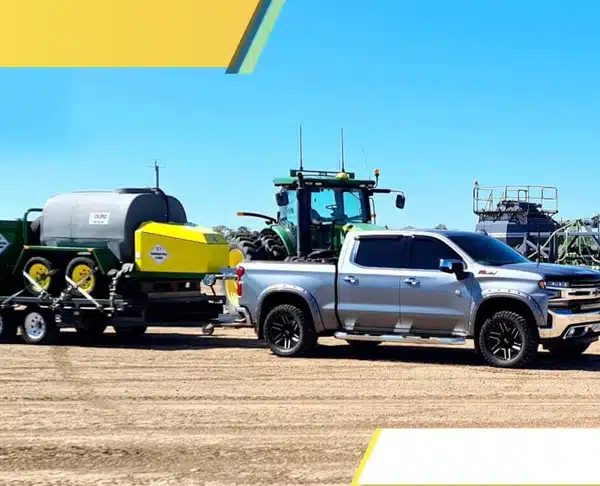
We purchased Durotank’s 2400 Litre poly water trailer with fire-fighter pump and hose reel, plus optional dribble bar and batter sprays attached.
Our property, Duxton Farm, borders the Kakadu National Park in the Northern Territory. Because of this, early season burning is extremely important to prevent uncontrollable bushfires later in the dry season. The trailer has been an invaluable asset to fire control – always full and ready to go when the call comes.
We’ve found it to be well balanced, empty or full, with the baffle ball system effectively controlling surge. We have had no issues with set-up, towing it with either a Landcruiser or Hilux.
Overall, we’re extremely happy with our purchase and the support from the Durotank team. We’ll be back.
Bruce Connolly, Northern Regional Manager, Duxton Farms

I purchased a Poly Tank Fuel Trailer from DUROTANK in April 2018. DUROTANK builds one of the best fuel trailers I have ever used. The build quality, engineering and attention to detail is unreal. The fuel trailer is rock solid, it tracks extremely well full of fuel at 100km/hr and its road worthy. All of the fittings are hoses are high quality hydraulic hose and crimped fittings so there are no leaks. The Durotank team is very easy to deal with and more than happy to help with any enquiries. The staff are friendly and it is a pleasure to do business with them. I’d buy another one in a heartbeat, that’s for sure
Ben Harris – AB Contract Farming
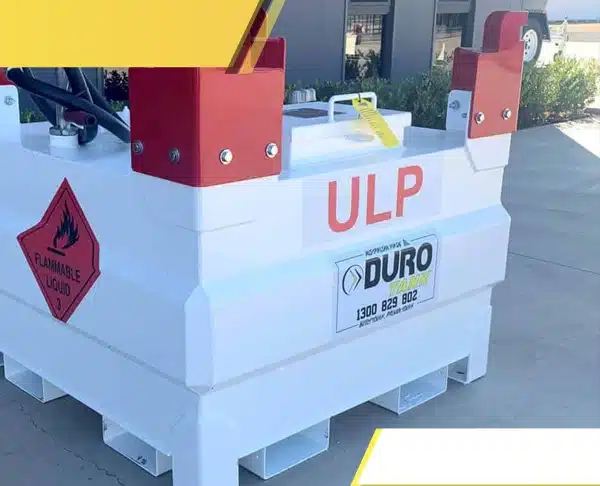
The Duro Cubes are going extremely well! My guys are very happy with them. Having them already saved us on oil transport on at least 2 occasions so far and has also allowed us to restructure our oil work days and use out of hours oil deliveries to make more efficient use of the time on site.
Field Supervisor, Electricity Distributor (AUSGRID)
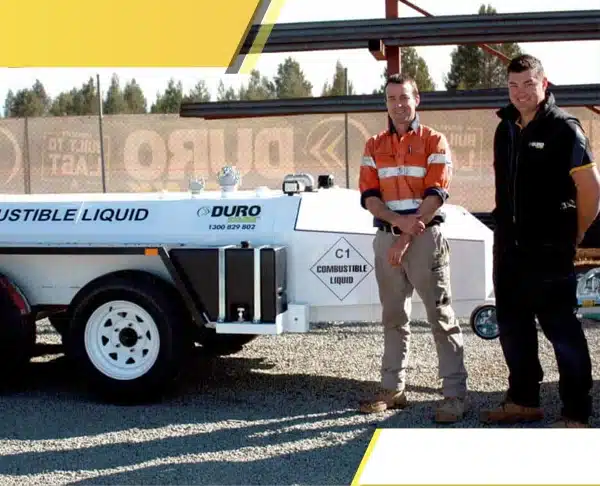
The fuel trailer I purchased from DUROTANK is well designed to withstand the harsh mining environment I work in, with no compromise to efficient and reliable fast fuel delivery
Brad Black – Hardrock Blasting Services
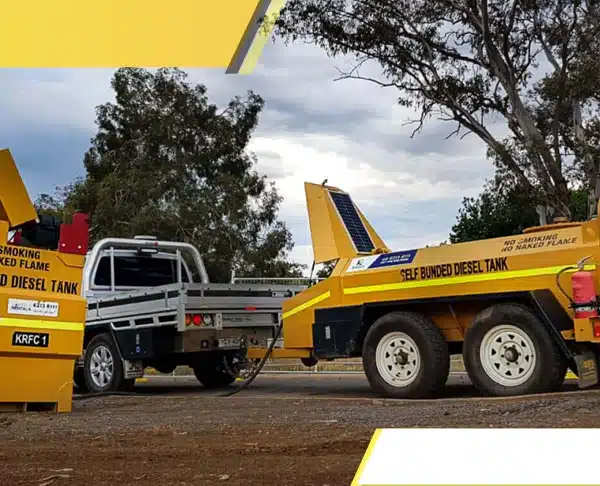
I would like to recommend Durotank to anyone that is considering their products. From first enquiry to after the product was delivered the customer experience was flawless.
Nick Dunlop – Kelton Rentals
As a business owner I would highly recommend DUROTANK to any person who is serious about saving money, purchasing and storing their own fuel in bulk, particularly in today’s challenging economic times. DUROTANK supplied us an excellent quality Australian made fuel tank built to the specs that suited out business. Our staff love how easy it is to use and how much time it saves refuelling each week. We purchased the Smartfill System with it and its definitely a worthwhile investment both for use and fuel management. The aftersales service from DUROTANK has been outstanding.
Tony Grace – Lachlan Valley
The supply process from quotation to order placement, being kept informed of manufacturing process and delivery date and final delivery was seamless. I really appreciated the proactive approach to driving a positive Customer Experience. I couldn’t fault the product or service at all.
Peter – Meadows Family Restaurants
All our fuel trailers and on site tanks are supplied by Durotank which are built with strength and quality and always delivered on time, helpful and friendly staff, won’t get better.
