Fuel Storage Tanks: Best Practices for Long-Term Efficiency
Why Long-Term Efficiency Matters
Arriving at a job site to find your diesel tank has leaked, your fuel is contaminated or your setup falls short of compliance standards can lead to significant delays and costs. Fuel loss, equipment downtime and environmental hazards can accumulate quickly.
Fuel is one of the most critical and costly resources in industries such as agriculture, mining, transport and civil construction. The way it’s stored can significantly affect operational uptime, environmental compliance, and cost efficiency. Whether you’re running a regional farming operation or managing a multi-site construction project, investing in a fit-for-purpose storage solution backed by proactive maintenance can help avoid costly mistakes and streamline your operations.
That’s why long-term efficiency in fuel storage is essential. This guide outlines how to maximise the lifespan, reliability and safety of your fuel storage tanks, drawing on years of Durotank’s experience across a range of Australian worksites.
In this practical guide, we will walk you through the key considerations, from choosing the right tank and setting up your site, to year-round maintenance strategies tailored to Australia’s harsh climate.
Understanding Fuel Types and Their Storage Needs
There are many different types of fuel and each has their own storage requirements. Understanding the type of fuel you store will decide on the tank material, fittings, additives and maintenance schedule needed.
- Diesel: The most common industrial fuel in Australia. It’s stable but susceptible to water contamination and microbial growth if not stored properly.
- Petrol: More volatile and flammable than diesel. Requires vapour-tight, compliant storage systems.
- AdBlue: A urea-based fluid used in modern diesel engines to reduce emissions. It must be stored in UV-protected, temperature-controlled environments.
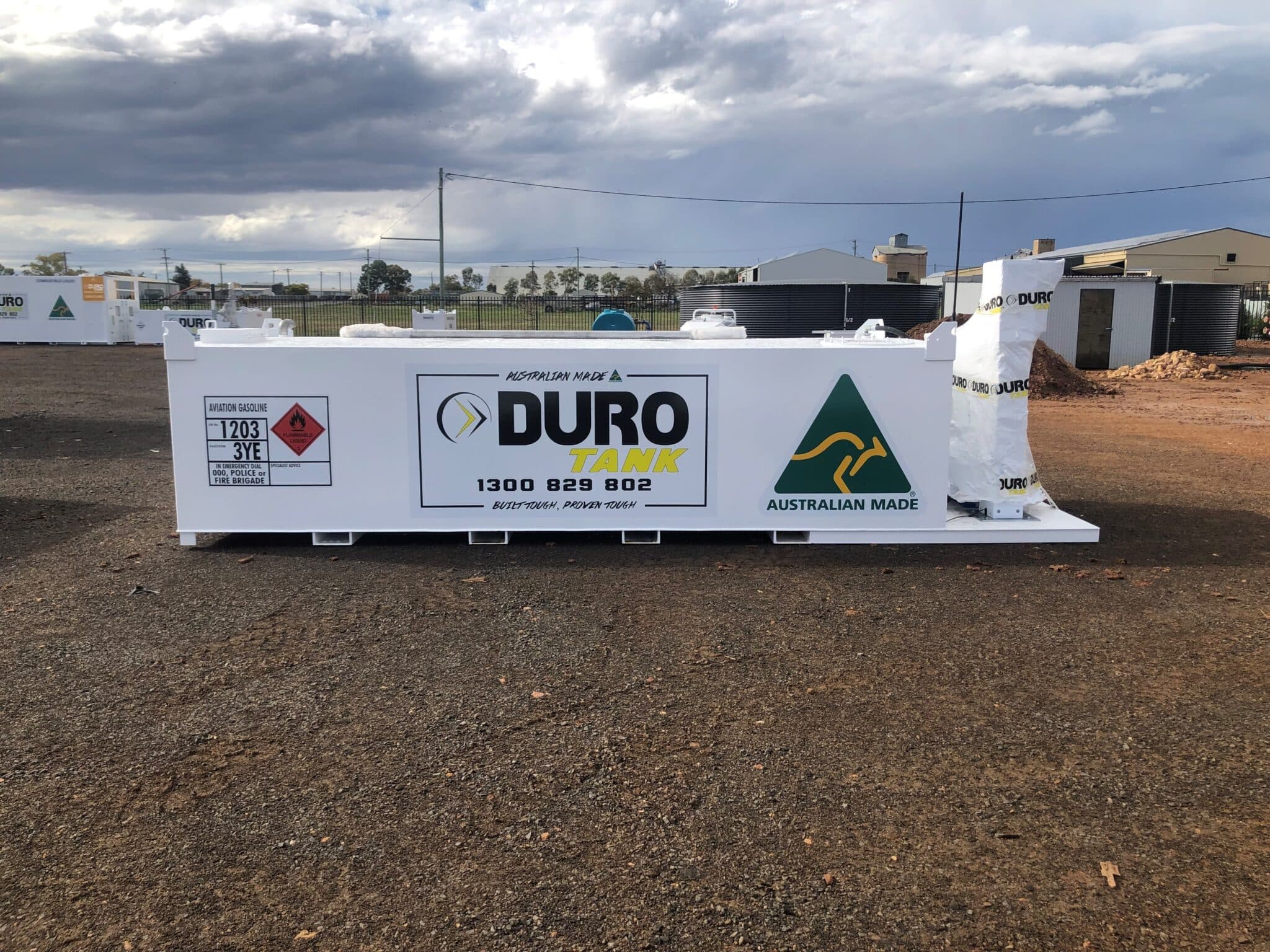
- Aviation Fuel: Extremely sensitive to contamination and temperature fluctuations. Requires specialised tanks and filters.
Matching your tank to your fuel type helps prevent degradation, maintain engine performance and protect your investment.
Choosing the Right Fuel Storage Tank
Selecting the appropriate tank for your specific needs is the foundation of long-term efficiency and effectiveness. The right choice ensures your system can handle environmental stress, fuel volume and compliance demands. Investing in a fit-for-purpose solution reduces maintenance costs and extends the life of your equipment.
Poly, Steel or Bunded?
Choosing the right tank material is key to achieving long-term fuel storage efficiency. Poly tanks are lightweight, corrosion-resistant and well-suited for mobile operations or light-duty applications, making them a preferred option for smaller farms or service vehicles.
Steel tanks, on the other hand, offer exceptional durability and fire resistance, making them ideal for high-volume, stationary storage typically required in industries like mining and civil construction.
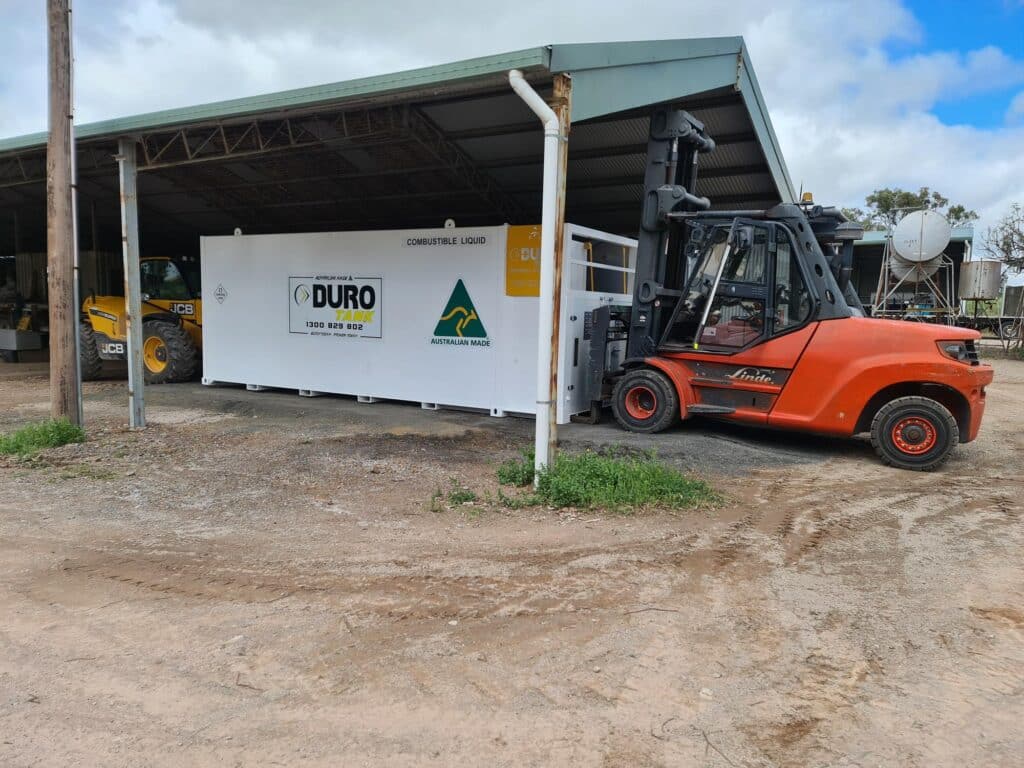
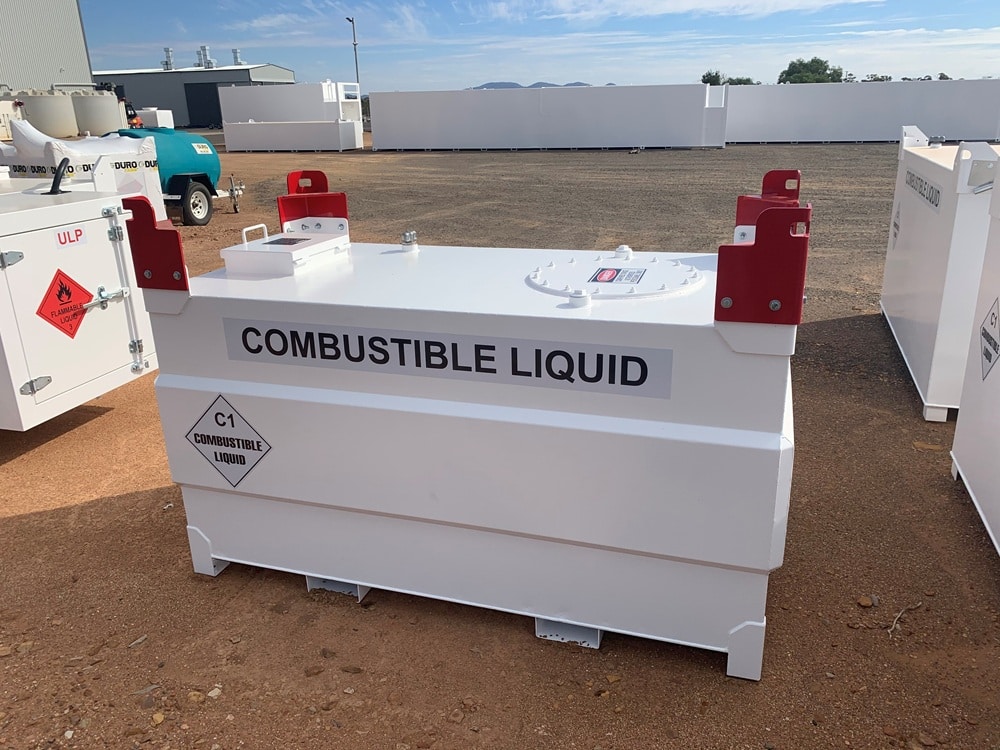
For those needing built-in environmental and compliance safeguards, Self-Bunded Tanks offer an integrated spill containment design. These all-in-one systems simplify regulatory compliance and significantly reduce the risk of environmental contamination, making them a dependable and responsible choice for many operations.
Here’s a quick comparison:
| Tank Type | Best For | Key Benefits |
| Poly | Mobile use, light-duty | Lightweight, corrosion-resistant |
| Steel | Stationary, high-volume | Strong, long-lasting |
| Bunded | Regulatory compliance, safety | Spill containment, site-ready |
Portable or Stationary?
Choosing between mobile and stationary fuel tanks depends on how and where fuel is needed across your operations.
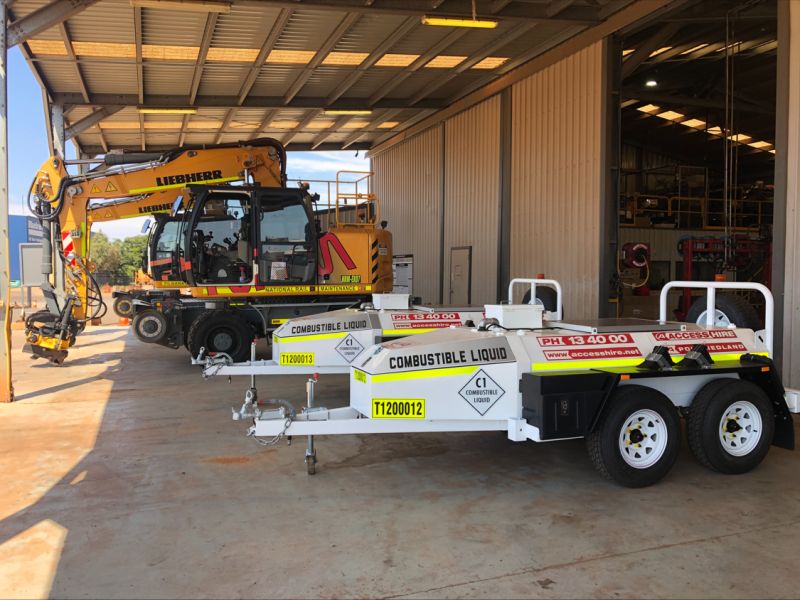
Mobile diesel trailers are built for versatility and are ideal for worksites that require on-the-go refuelling, such as farms, construction zones and remote areas where fixed infrastructure may be unavailable. These units allow operators to transport fuel directly to equipment in the field, improving efficiency and reducing downtime.
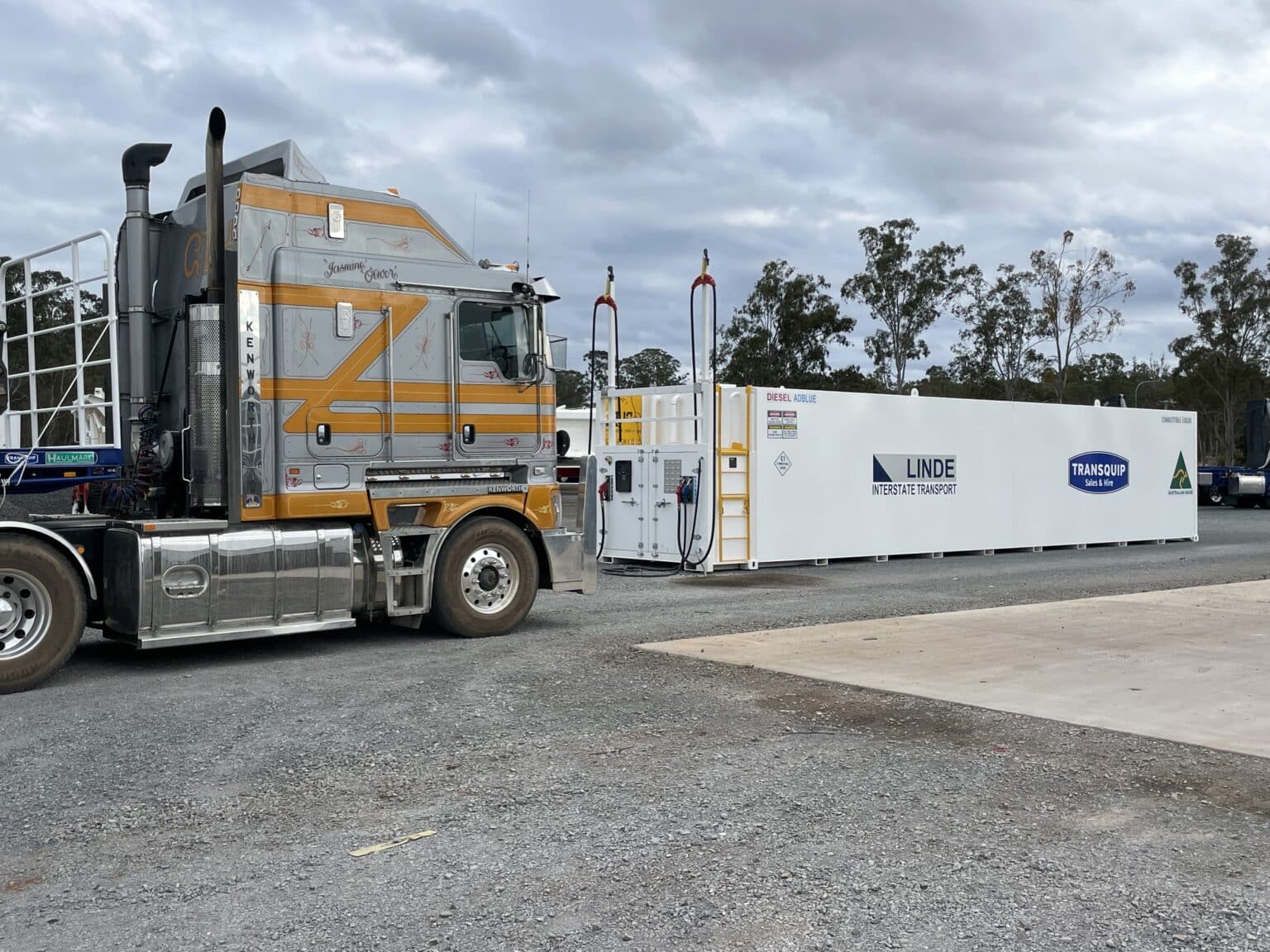
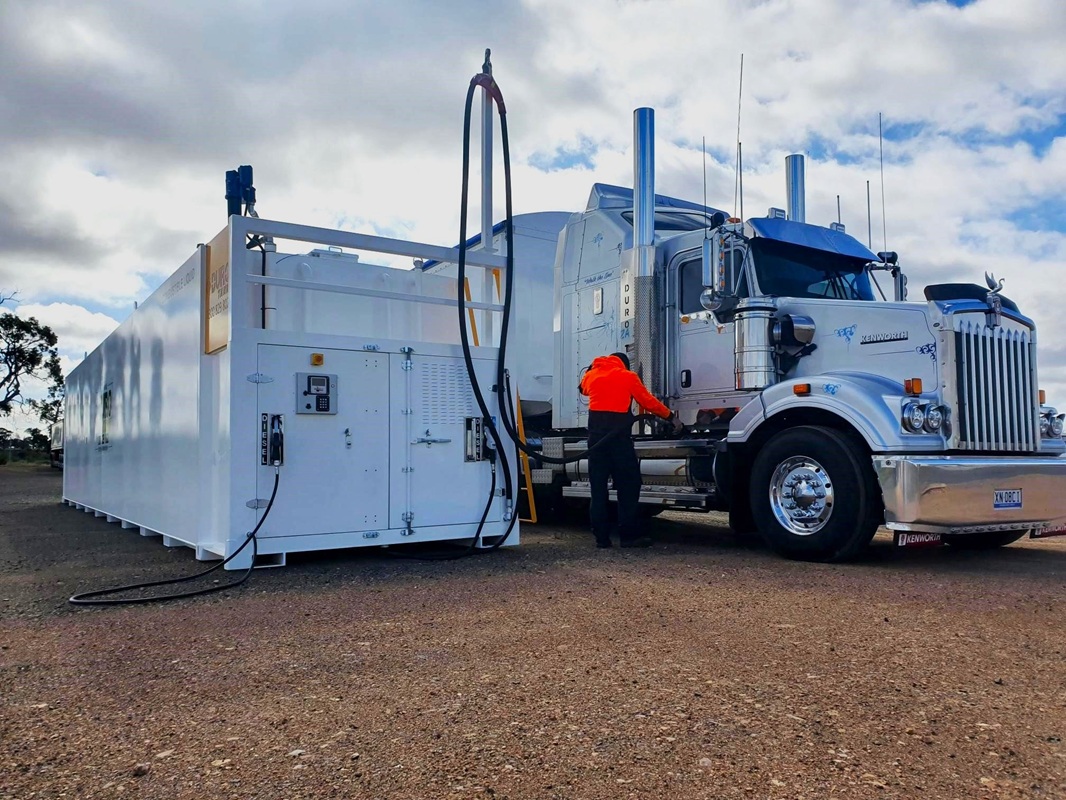
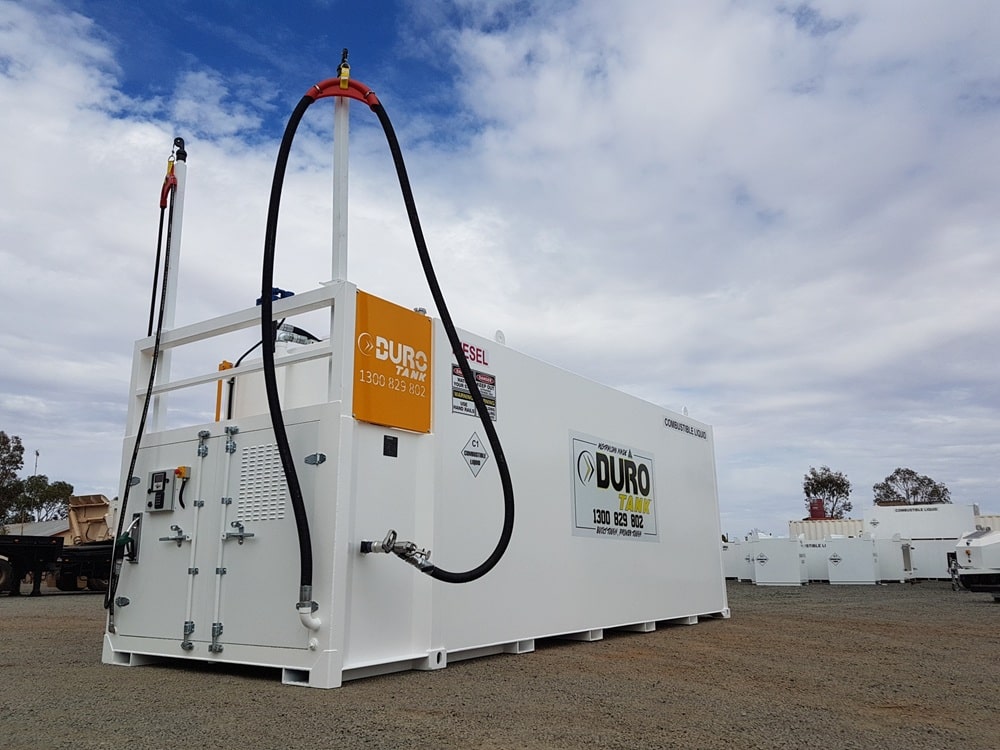
Conversely, stationary tanks are designed for centralised fuelling operations and are best suited for large-volume storage at fixed sites. They are ideal for depots, workshops or any operation that benefits from a reliable, permanent fuelling hub. Both options offer unique advantages and Durotank’s range ensures there’s a solution tailored to every use case.
If you need help deciding what the best fuel storage solutions are for your operations, the Durotank team is here to assist you if you have specific requirements or need a tailored solution. Contact us on 1300 829 802 for a detailed quote or to discuss customisation options for your fuel tanks.
Site Setup for Maximum Longevity
The performance and lifespan of your fuel tank depends heavily on proper site setup. Poor placement can lead to premature wear, structural stress and potential environmental hazards. A correctly prepared site sets the foundation for a safe, efficient and trouble-free operation.
Before installation, it’s important to assess your site carefully. The right setup will reduce structural stress, limit exposure to the elements, and ensure safe access for operators and maintenance crews. Here are several key considerations to ensure your fuel tank is positioned for long-term success:
- Level, compacted ground prevents structural stress on the tank.
- Sheltered placement reduces exposure to UV radiation and harsh weather conditions.
- Adequate drainage prevents water accumulation around the tank base.
- Clear access allows for safe and efficient refuelling and servicing.
- Place tanks away from vehicle traffic areas to avoid accidental collisions or impact damage.
- Install appropriate barriers or bollards around tanks in high-traffic zones for added protection.
- Ensure overhead clearance is sufficient for filling operations and maintenance equipment access.
A properly planned setup can also simplify compliance with workplace safety and environmental standards. Durotank offers expert consultation to ensure your site is prepared to support long-term performance.
Maintenance Checklist: Prevent Problems Before They Start
Routine maintenance is crucial for avoiding unplanned downtime and extending the lifespan of your equipment. Here are some things to look out for
Monthly:
These monthly tasks serve as your first line of defence against wear, fuel loss and performance issues. By staying consistent with these quick checks, you’ll prevent minor issues from becoming major operational problems.
- Inspect for cracks, corrosion or structural damage.
- Check valves, hoses and pumps for signs of wear or leakage.
- Assess for water ingress or signs of fuel contamination.
- Clean the tank exterior and ensure access points are unobstructed.
- Confirm fuel levels are being logged accurately and gauge readings are functional.
Quarterly:
Quarterly inspections provide a deeper look into the system’s condition. These tasks support longer-term fuel quality and ensure your tank setup continues to meet operational and safety standards.
- Update maintenance logs and records.
- Inspect and test filtration and breather systems to ensure optimal performance.
- Verify the integrity of grounding and electrical connections.
- Check for algae growth in tanks, especially if water contamination is possible.
- Confirm that all labels and compliance signage are visible and legible.
Annually:
Annual servicing is your opportunity to conduct a full audit of your fuel storage system. These steps go beyond routine checks to verify compliance, assess ageing components and future-proof your tank setup.
- Conduct internal cleaning if necessary.
- Pressure test all components.
- Perform a comprehensive safety and compliance review.
- Replace worn seals, gaskets or fittings as a preventive measure.
- Review and update your fuel storage and emergency response plan.
Additional Tips:
Beyond your scheduled monthly, quarterly and annual checks, there are a few extra practices that can further enhance the performance and reliability of your fuel storage system. These tips help protect fuel quality and extend equipment life, especially in demanding Australian conditions.
- Use fuel stabilisers during seasonal downtime.
- Rotate stored fuel to avoid degradation.
- Engage third-party inspections annually for compliance verification.
- Ensure all vents are insect-proof and debris-free to prevent internal contamination.
- Periodically review tank documentation and service history for patterns or recurring issues.
Download Durotank’s maintenance checklist to support your inspection routines and keep your fuel storage system in top condition.
Contamination Control: Keeping Your Fuel Clean
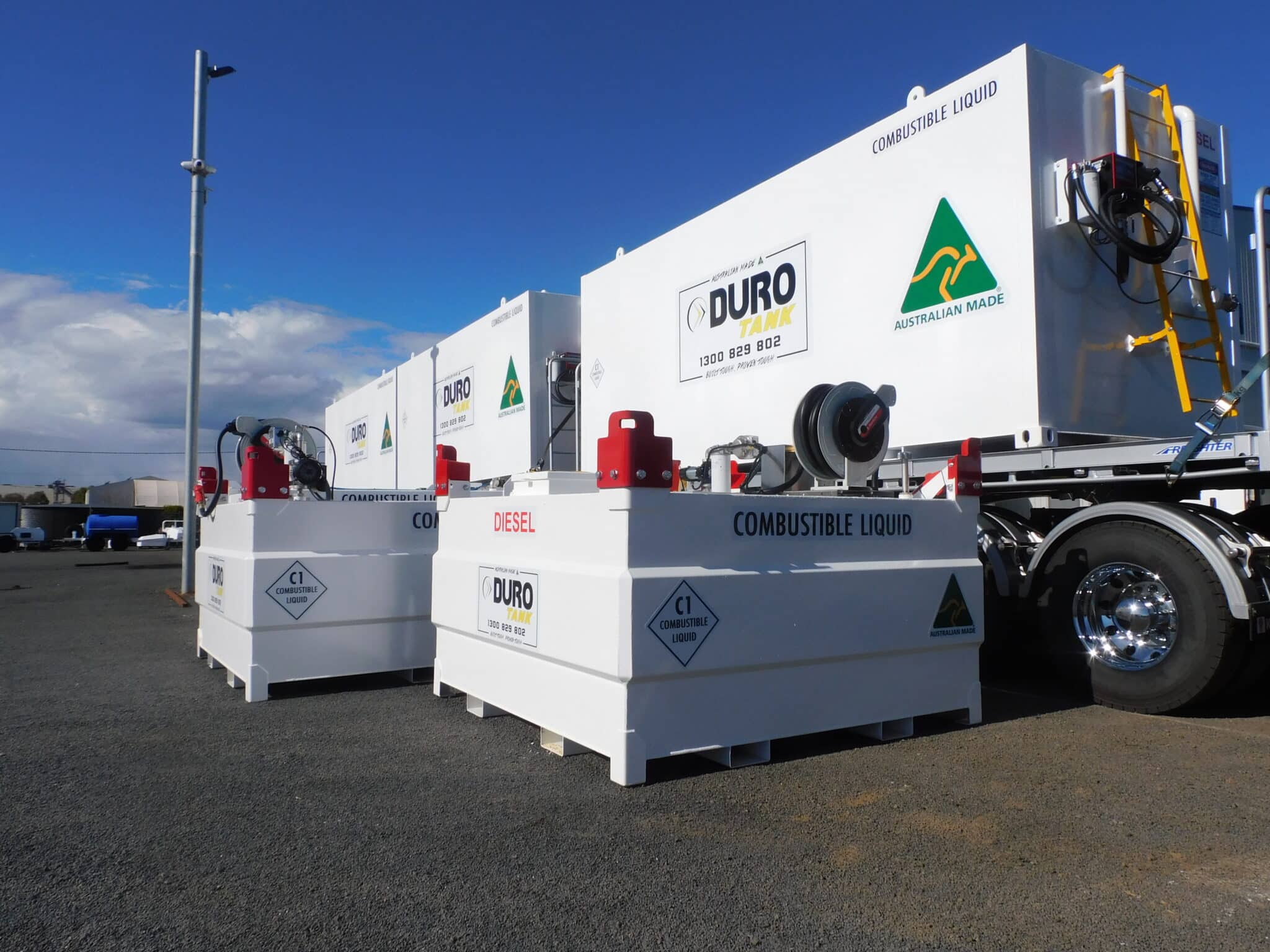
Contaminated fuel can compromise equipment reliability and operational efficiency. It leads to clogged filters, engine damage and unplanned maintenance. Clean fuel is essential to ensure machinery operates smoothly and consistently on demanding sites.
Understanding where contamination typically originates is the first step toward preventing it. Fuel systems are exposed to a variety of environmental and operational risks that can compromise fuel quality over time. Here are the most common contributors to contaminated fuel:
- Condensation resulting from temperature fluctuations.
- Dust and dirt, especially in exposed or remote sites.
- Ageing fuel, which deteriorates over time.
To preserve fuel quality and prevent issues stemming from contamination, it’s essential to implement a set of robust handling and storage practices. These actions help reduce exposure to moisture, dirt and other contaminants that can compromise your operations and damage critical machinery. Below are some proven strategies to maintain clean, reliable fuel:
- Install desiccant breathers to reduce internal moisture.
- Use high-grade filters at intake and dispensing points.
- Secure tanks with lockable caps to prevent contamination.
- Regularly cycle fuel to maintain freshness.
- Keep tanks sealed and shaded to minimise exposure.
Seasonal Adjustments for Harsh Australian Conditions
Fuel storage must be managed with seasonal variations in mind. Australia’s climate presents extreme temperature fluctuations, from intense summer heat to freezing winter conditions. These environmental factors can accelerate fuel degradation and put additional strain on storage systems if not properly managed.
Summer
During summer, fuel systems are exposed to extreme heat and solar radiation, which can degrade fuel quality and affect tank components. Take these precautions to manage heat-related risks:
- Minimise direct sunlight exposure to reduce heat-related degradation.
- Monitor for increased condensation levels.
- Consider stabilisers or additives to extend fuel shelf life.
- Inspect tank paint or coatings for signs of UV damage.
- Avoid overfilling tanks, which can cause fuel expansion and spillage in high temperatures.
Winter
Winter brings its own challenges, such as stiffening components and potential water ingress. Prepare your tanks and fittings for colder weather with the following steps:
- Check for hardening of seals or brittle hoses.
- Allow additional warm-up time for diesel flow.
- Ensure tanks are tightly sealed to prevent water ingress.
- Inspect tank gauges and electronic components for low-temperature malfunctions.
- Use insulated hose sleeves or thermal blankets where appropriate to protect fittings in freezing conditions.
Year-Round
Maintaining fuel efficiency throughout the year requires planning for seasonal transitions and protecting against long-term wear. These practices help ensure system reliability in any season:
- Conduct seasonal inspections in early summer and winter.
- Use UV-resistant tanks and insulated covers for temperature stability.
- Ensure breather vents are clear and functioning to prevent vacuum formation.
- Inspect hose fittings and seals for degradation or cracking due to seasonal extremes.
- Schedule a fuel quality test after periods of low usage or temperature fluctuations.
Durotank designs its tanks with Australian conditions in mind, using UV-resistant materials and robust weatherproofing.
Common Fuel Storage Mistakes to Avoid
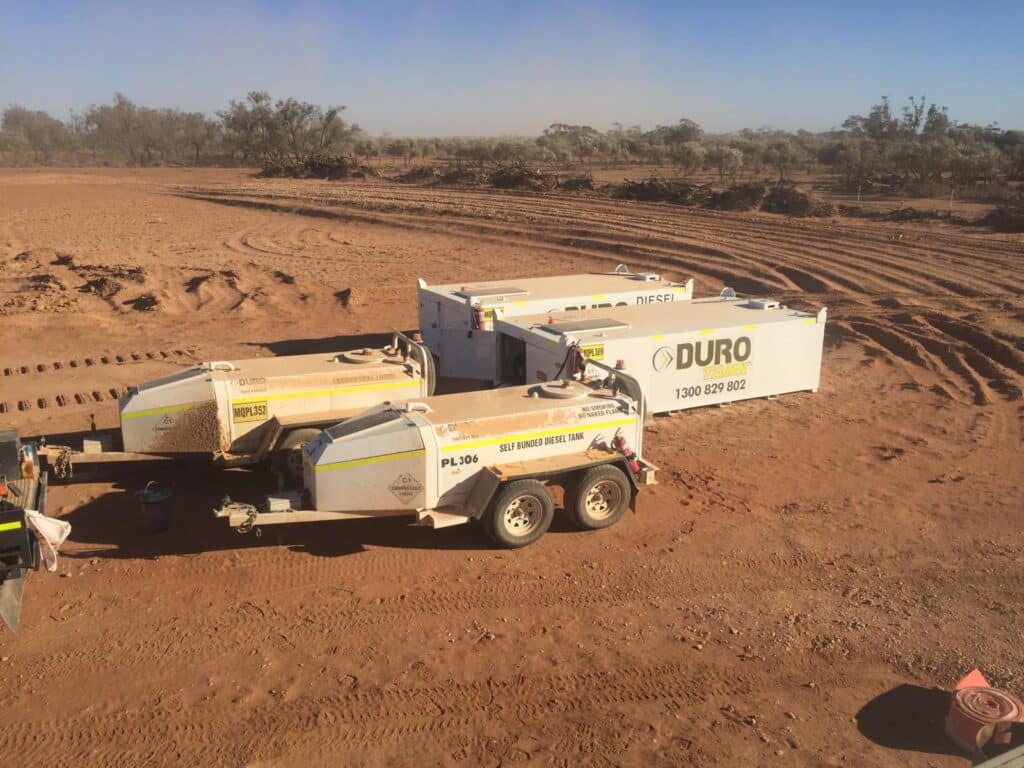
Even the best tanks can fail if misused or poorly maintained. Overlooking small details in installation, use or care can lead to fuel loss, equipment failure or environmental damage. To protect your investment and ensure operational continuity, it’s essential to be aware of and avoid these common mistakes:
- Unstable Ground Placement: Positioning a tank on uneven or unprepared surfaces can lead to shifting, tipping or structural strain, particularly during periods of heavy rainfall or equipment vibration. This instability risks damaging the tank and poses a safety hazard to nearby personnel and machinery.
- Neglecting Filter Changes: Over time, filters can become clogged with dirt, debris or microbial growth. When you fail to replace them regularly, contaminants can enter fuel lines and engines, potentially causing blockages, inefficiencies or long-term engine wear.
- Infrequent Inspections: Don’t skip routine checks or you may miss the early warning signs of rust, seal damage or component failure. Left unnoticed, these small issues can escalate into major faults, fuel leaks or non-compliance penalties.
- No Fuel Turnover: Storing fuel for extended periods without usage leads to oxidation, separation or microbial contamination, a serious concern in humid environments. Degraded fuel reduces equipment performance and increases maintenance requirements.
- Improper Sealing: Inadequate or damaged seals can allow air, water or pests to enter the tank. Moisture ingress encourages microbial growth and rust, leading to contamination and corrosion that compromise fuel quality and tank integrity.
Prevention is more cost-effective than remediation. Durotank’s proactive solutions can help you avoid these pitfalls.
Compliance & Safety: What You Need to Know
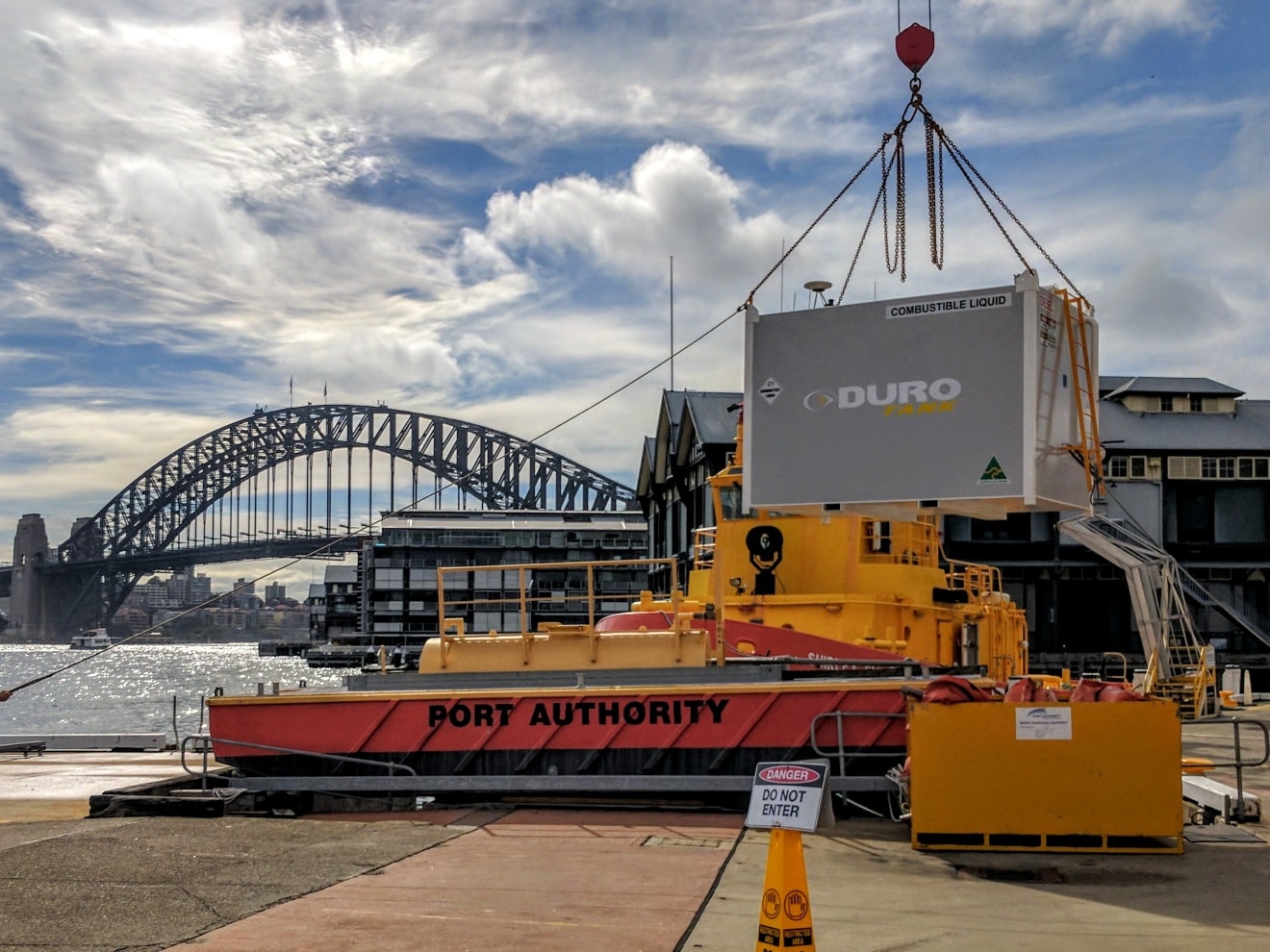
Fuel storage systems must meet regulatory and environmental standards. Non-compliance can result in heavy penalties, environmental harm and legal liabilities. These requirements are in place to protect workers, communities and ecosystems, especially critical in Australia’s remote and sensitive landscapes.
Some core requirements include:
- Tanks must be clearly labelled and grounded.
- Bunding is mandatory in many applications.
- Safety measures such as signage, extinguishers and spill kits are required.
- Routine inspections and documented maintenance are expected.
Durotank’s site-ready tanks include all necessary compliance features to save you time and reduce risk. Our team remains informed on relevant Australian regulations and can provide compliance support as needed.
Why Choose Durotank? Built for Harsh Conditions
Durotank manufactures durable fuel storage and transport solutions that perform reliably across industries including agriculture, mining, construction and logistics.
Our key advantages include:
- Australian-made using high-quality materials
- Tailored solutions to suit specific operational demands
- Prompt delivery and dependable customer support
- Informed guidance on setup, compliance and maintenance
Our diesel trailers, poly tanks,and bunded tanks are designed with longevity and safety in mind.
With experience working across outback properties, remote mine sites and busy construction zones, we understand the conditions that your equipment needs to endure.
Smarter Storage Starts Now
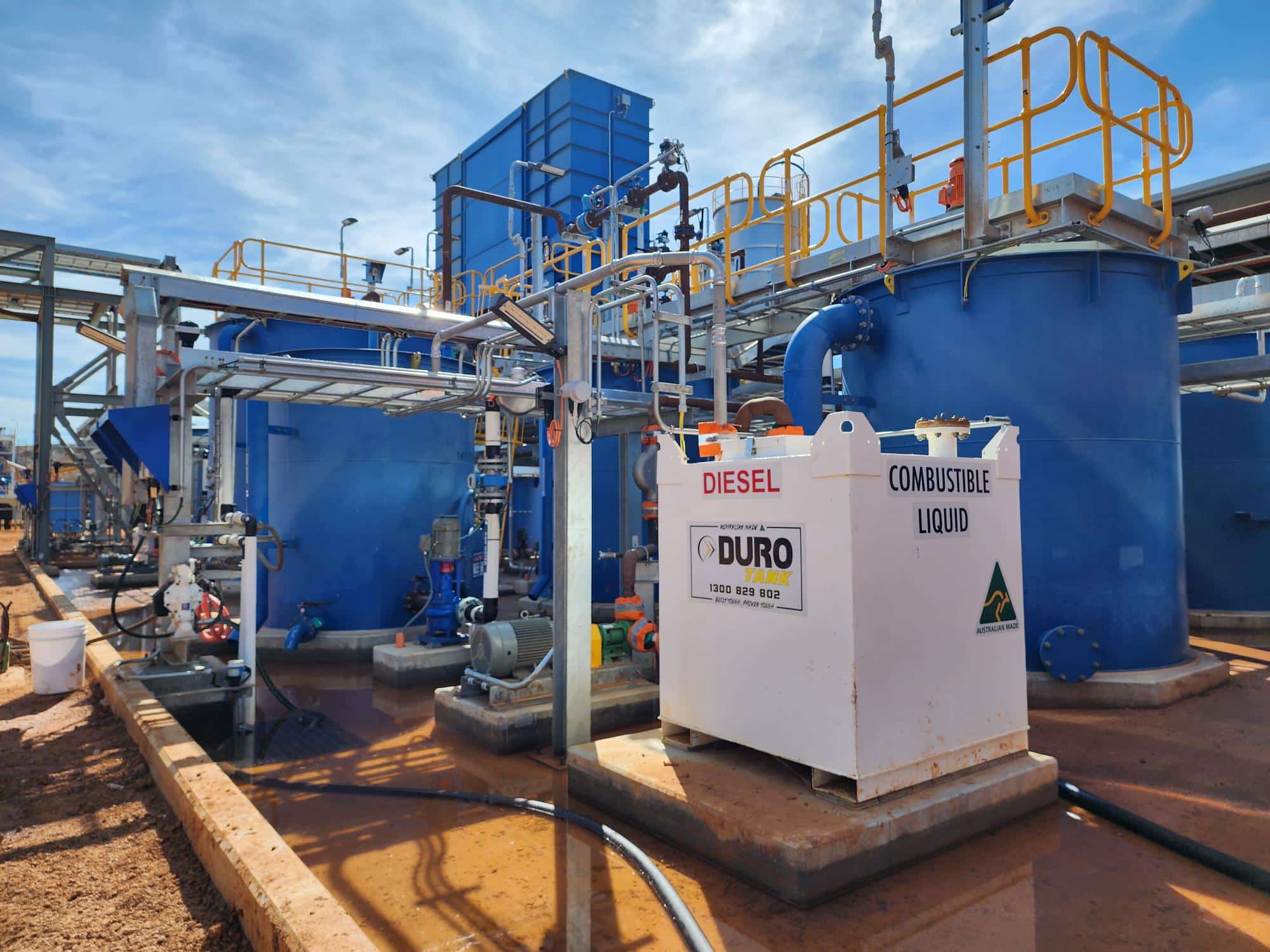
Efficient fuel storage involves selecting the right equipment, preparing the site correctly and following a proactive maintenance schedule. These practices protect your investment while also improving safety and operational reliability.
With years of hands-on experience across Australian industries and environments, Durotank understands what it takes to deliver efficient, compliant and site-ready fuel storage solutions. Our expert team can help tailor a system that fits your operation’s specific challenges and goals.
To discuss the best fuel storage solution for your needs, contact Durotank today.
Call 1300 829 802 or visit www.durotank.com.au.
Fuel storage is a critical component of operations across many industries in Australia. From farms and mines to construction sites…
AdBlue has quietly become essential kit for anyone running modern diesel equipment. It keeps engines compliant with emissions rules by…
A backup generator is only as reliable as the fuel sitting behind it. You can invest in the best standby…
Diesel does not last forever. Left sitting in a tank, the fuel you bought in good condition slowly changes, and…
If you store diesel on a farm, a mine site, a civil project or a transport depot, AS1940 is the…
When you are comparing steel fuel tanks, they can look remarkably similar on paper. They may have the same capacity,…
Search this question online and you will drown in British heating oil advice. OFTEC guidance, Environment Agency rules, Scottish EPA…
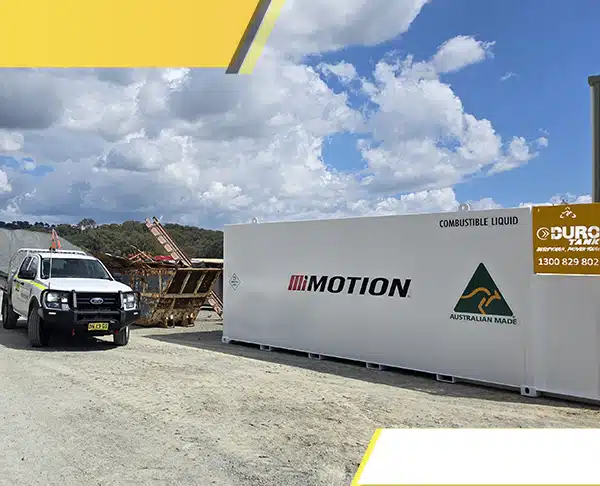

My experience with Durotank was exceptional from start to completion.
Emily was patient with us from the start - we took a while to make our decision, but she was always ready to help. She proactively addressed all enquiries and offered comprehensive support. No pressure, just good service.
Furthermore, Durotank was highly accommodating when we requested custom signage. It turned out great and looked fantastic.
I highly recommend Durotank to any organisation seeking a seamless, efficient, and thoroughly professional supplier for diesel tank requirements.


Joe Valesini - AUS Inds Customer Relationship Manager Motion
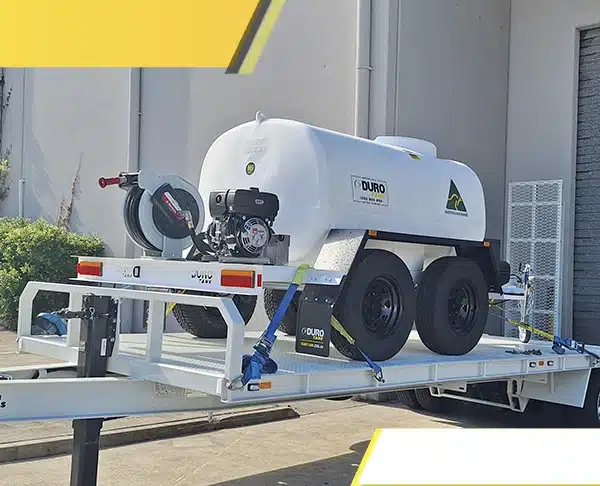
We had a great experience working with Durotank on our order for a 2,400L water cart trailer, set up for firefighting and tree watering. Their team was responsive throughout the process and delivered exactly what we needed on schedule, despite a very tight timeframe. The build quality is excellent - it’s clear a lot of care and expertise went into the manufacturing. We also value being able to support an Australian-made company and wouldn’t hesitate to recommend Durotank for both their product quality and service.
Joel Courtney – APMS Operations

We considered many other brands of diesel tank but quickly settled on Durotank - they ticked all the boxes. An Australian-made, self bunded quality tank with the ability to load and transport on-site whilst full is a winner.
The team communicated professionally with us regarding modifications and build timing. We will certainly use Durotank again and would confidently recommend them to others.
Andrew Reeves, Ethtec
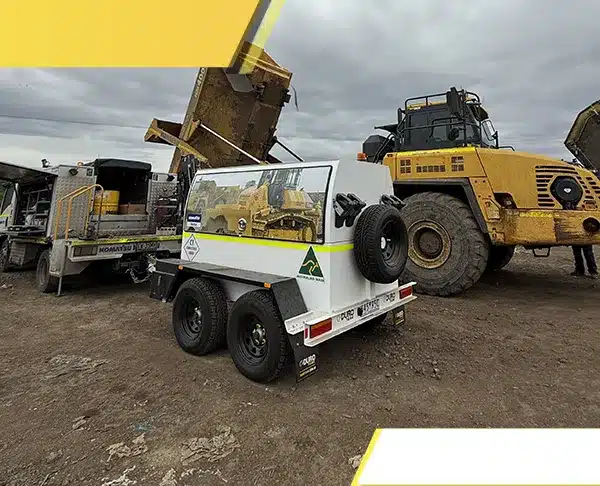
We had a great experience working with Durotank in purchasing our service trailer, from the enquiry stage to the delivery date the Durotank team were pleasant and very professional. Emily from the sales team answered any and all questions we had about specs and options, working with us to meet expectations and budget limitations. The production team kept us well informed of build schedule and approximate delivery dates. Overall we highly recommend the Durotank team if your looking for a service trailer, value for money is second to none and the quality is top notch.
Aaron Asquith - Leading Hand - Rental Komatsu Australia, Truganina Branch VIC
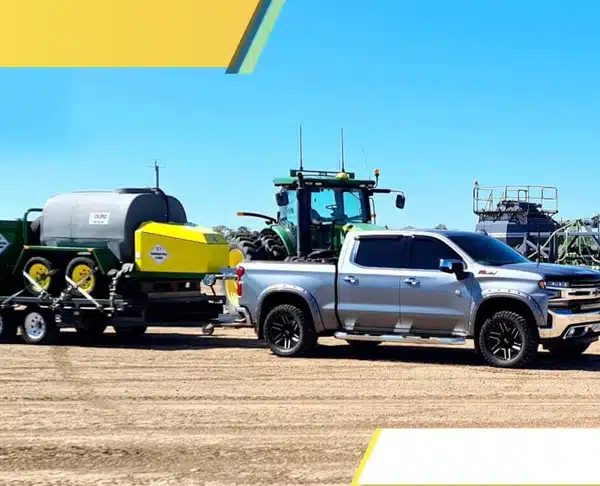
We purchased Durotank’s 2400 Litre poly water trailer with fire-fighter pump and hose reel, plus optional dribble bar and batter sprays attached.
Our property, Duxton Farm, borders the Kakadu National Park in the Northern Territory. Because of this, early season burning is extremely important to prevent uncontrollable bushfires later in the dry season. The trailer has been an invaluable asset to fire control – always full and ready to go when the call comes.
We’ve found it to be well balanced, empty or full, with the baffle ball system effectively controlling surge. We have had no issues with set-up, towing it with either a Landcruiser or Hilux.
Overall, we’re extremely happy with our purchase and the support from the Durotank team. We’ll be back.
Bruce Connolly, Northern Regional Manager, Duxton Farms

I purchased a Poly Tank Fuel Trailer from DUROTANK in April 2018. DUROTANK builds one of the best fuel trailers I have ever used. The build quality, engineering and attention to detail is unreal. The fuel trailer is rock solid, it tracks extremely well full of fuel at 100km/hr and its road worthy. All of the fittings are hoses are high quality hydraulic hose and crimped fittings so there are no leaks. The Durotank team is very easy to deal with and more than happy to help with any enquiries. The staff are friendly and it is a pleasure to do business with them. I’d buy another one in a heartbeat, that’s for sure
Ben Harris – AB Contract Farming
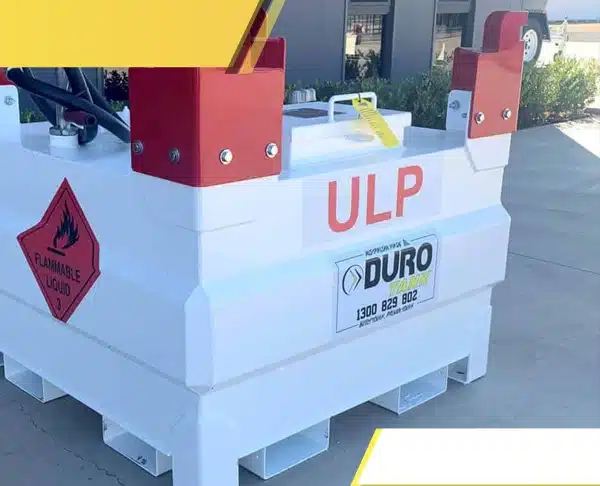
The Duro Cubes are going extremely well! My guys are very happy with them. Having them already saved us on oil transport on at least 2 occasions so far and has also allowed us to restructure our oil work days and use out of hours oil deliveries to make more efficient use of the time on site.
Field Supervisor, Electricity Distributor (AUSGRID)
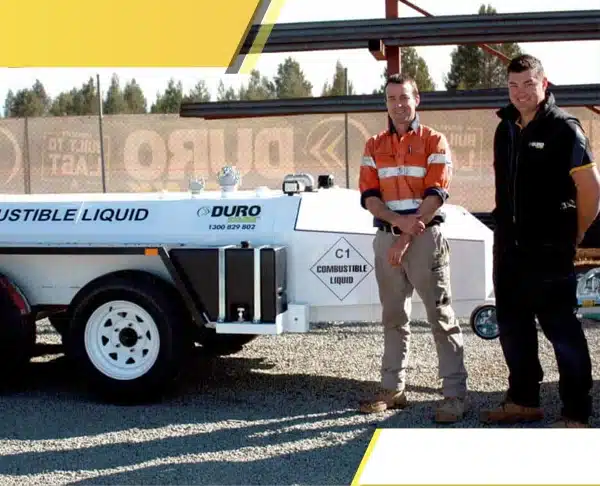
The fuel trailer I purchased from DUROTANK is well designed to withstand the harsh mining environment I work in, with no compromise to efficient and reliable fast fuel delivery
Brad Black – Hardrock Blasting Services
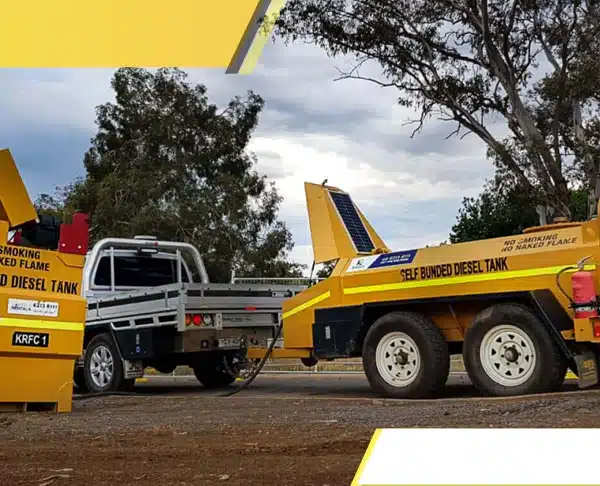
I would like to recommend Durotank to anyone that is considering their products. From first enquiry to after the product was delivered the customer experience was flawless.
Nick Dunlop – Kelton Rentals
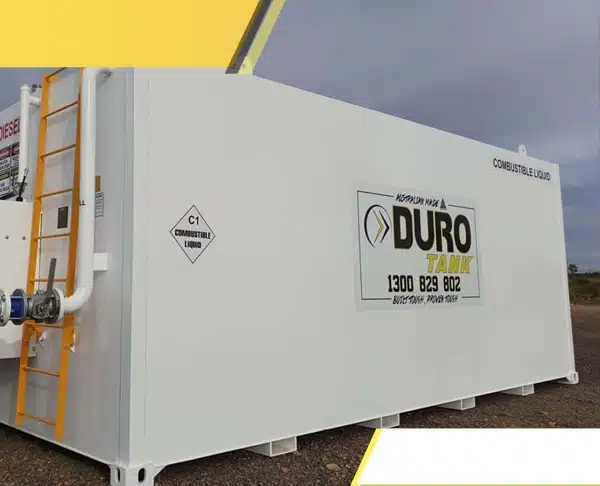
As a business owner I would highly recommend DUROTANK to any person who is serious about saving money, purchasing and storing their own fuel in bulk, particularly in today’s challenging economic times. DUROTANK supplied us an excellent quality Australian made fuel tank built to the specs that suited out business. Our staff love how easy it is to use and how much time it saves refuelling each week. We purchased the Smartfill System with it and its definitely a worthwhile investment both for use and fuel management. The aftersales service from DUROTANK has been outstanding.
Tony Grace – Lachlan Valley
The supply process from quotation to order placement, being kept informed of manufacturing process and delivery date and final delivery was seamless. I really appreciated the proactive approach to driving a positive Customer Experience. I couldn’t fault the product or service at all.
Peter – Meadows Family Restaurants
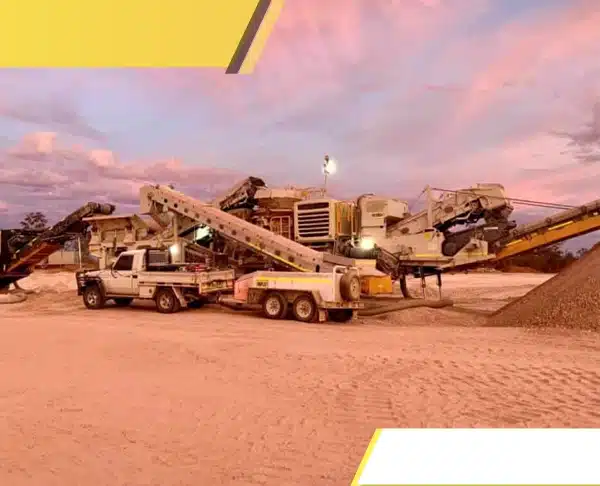
All our fuel trailers and on site tanks are supplied by Durotank which are built with strength and quality and always delivered on time, helpful and friendly staff, won’t get better.
