
How Long Does Diesel Last and How to Store It Properly
Diesel does not last forever. Left sitting in a tank, the fuel you bought in good condition slowly changes, and the day you finally need it, it may no longer start your equipment cleanly. For any operation that stores fuel between deliveries, from farms and mines to construction sites and standby generators, knowing how long diesel lasts and how to protect it is the difference between fuel you can rely on and an expensive problem waiting to happen.
The good news is that diesel shelf life is largely in your control. With the right storage, you can hold fuel in good condition for far longer than a neglected tank ever would. Durotank designs and manufactures the sealed, durable fuel storage tanks that keep diesel usable, so the fuel is ready whenever your operation is.
Here is what actually happens to stored diesel, how long you can expect it to last, and how to make it last longer.
How Long Does Diesel Last in Storage?
Untreated diesel generally stays reliable for around 6 to 12 months when stored correctly. Beyond that, oxidation, water absorption, and microbial growth begin to degrade the fuel. Kept cool, sealed, and free of water, and treated with additives for longer holds, diesel can stay usable well past 12 months. The exact figure depends on storage conditions, temperature, and how clean and dry you keep the tank.
In other words, the 6 to 12 month figure is a baseline, not a hard limit. Good storage extends it. Poor storage shortens it dramatically.
What Makes Diesel Go Off
To keep diesel usable, it helps to understand what degrades it in the first place. Three things do most of the damage.
Oxidation
Over time, diesel reacts with oxygen. This slowly forms gums and sediments that darken the fuel and can clog filters and injectors. The longer fuel sits and the warmer it gets, the faster oxidation happens.
Water
Water is diesel’s biggest enemy in storage. It enters through condensation as tanks heat and cool, through poor seals, or during deliveries. Water encourages corrosion, degrades fuel quality, and creates the conditions for microbial growth.
Microbial Growth (Diesel Bug)
Where water and diesel meet, microbes can take hold. This contamination, known as diesel bug, forms sludge that blocks filters and fuel lines and can bring equipment to a stop. Because it needs water to survive, managing water is the single most effective way to prevent it. For the full picture, see the guide on what diesel bug is and how to stop it.
What Affects How Long Your Diesel Lasts
Two tanks of the same fuel can age very differently depending on how they are stored. These are the factors that decide which way yours goes.
Temperature
Heat accelerates every form of fuel degradation. A tank baking in full sun on a hot site will age its fuel far faster than one kept cool and shaded. In the Australian climate, temperature management matters more than most operators realise.
Water and Condensation
The more a tank breathes warm and cool air across day and night cycles, the more condensation forms inside. A tank kept full has less air space for water to condense in, which is one reason topping up matters.
Tank Condition and Seals
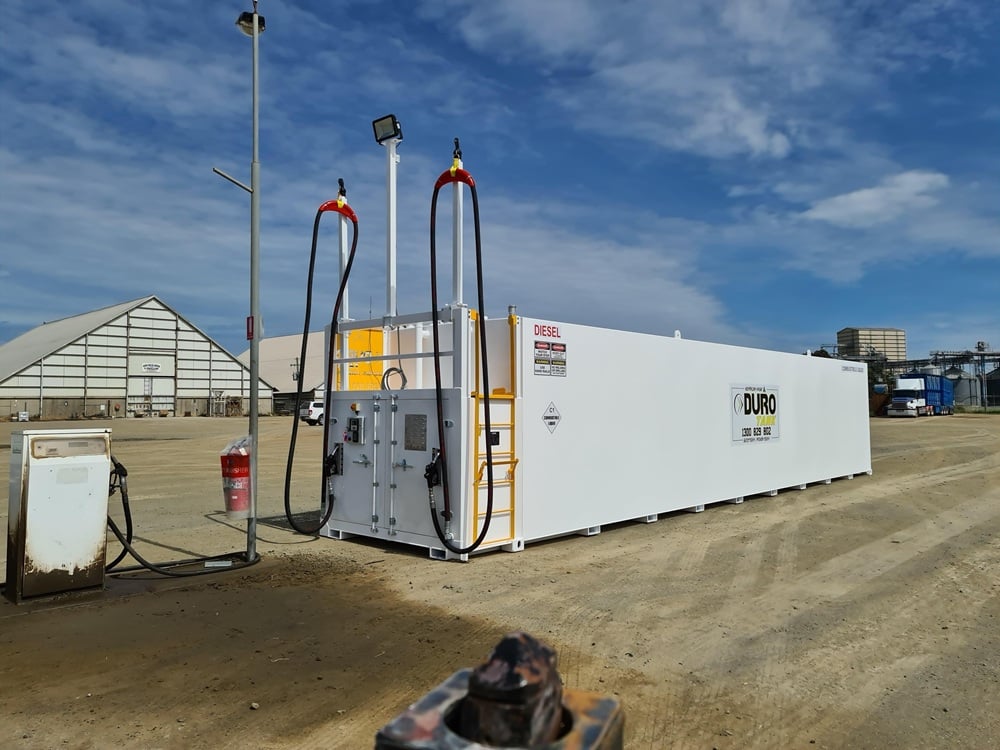
A well-sealed, well-maintained tank keeps water, dust, and contaminants out. Gaps, damaged seals, and poor fittings let them in. The quality of your storage directly sets the ceiling on how long your fuel lasts.
Fuel Turnover
Fuel that moves through the tank and gets replaced regularly rarely has time to degrade. Fuel that sits untouched for months is where problems build. Matching your tank size to your usage keeps fuel fresh.
How to Make Your Diesel Last Longer
Extending diesel shelf life comes down to a handful of practical habits, all of which are easier with the right tank.
Keep It Cool and Out of the Sun
Store fuel in a tank that limits heat exposure where you can. Lower, steadier temperatures slow oxidation and reduce the day-night breathing that drives condensation.
Keep It Sealed and Keep It Full
A sealed tank keeps water and contaminants out, and keeping the tank as full as practical reduces the air space where condensation forms. Both habits directly attack the water problem at the heart of most fuel degradation.
Keep Water Out and Check for It
Use quality seals and fittings, filter fuel at the inlet, and check periodically for water in the bottom of the tank. Catching and removing water early prevents both corrosion and diesel bug before they start.
Turn Your Fuel Over
Size your storage so fuel is used and replaced within a sensible window rather than sitting for a year or more. Where you must hold fuel long term, fuel additives and periodic testing or polishing keep it in condition. These habits sit alongside the wider best practices for long-term fuel storage efficiency.
Store It in the Right Tank
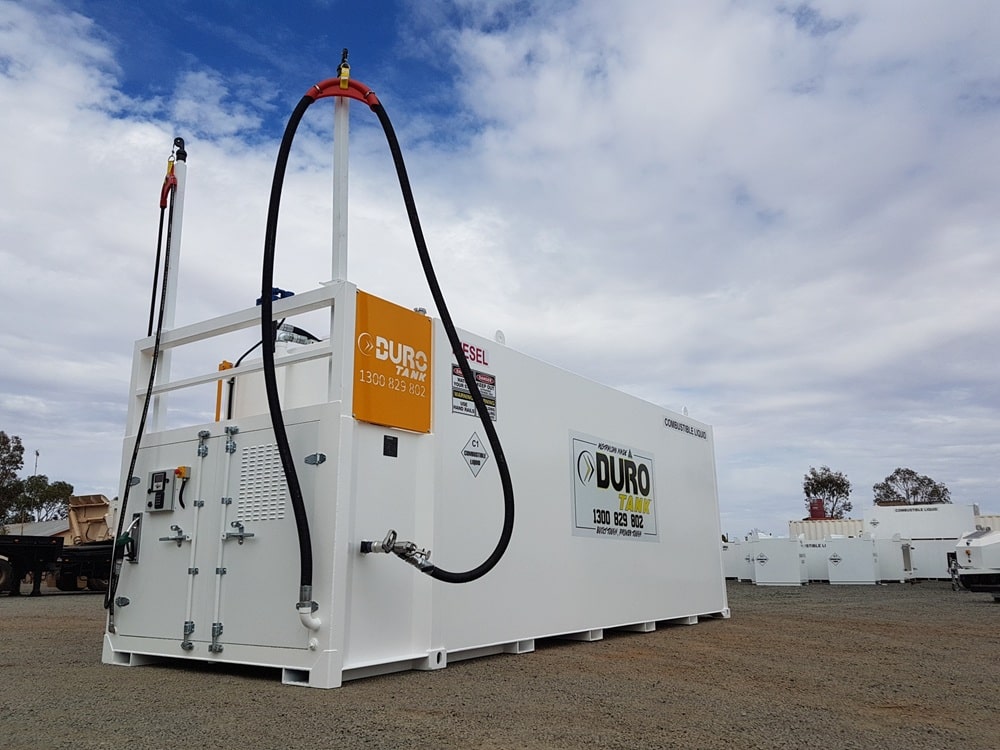
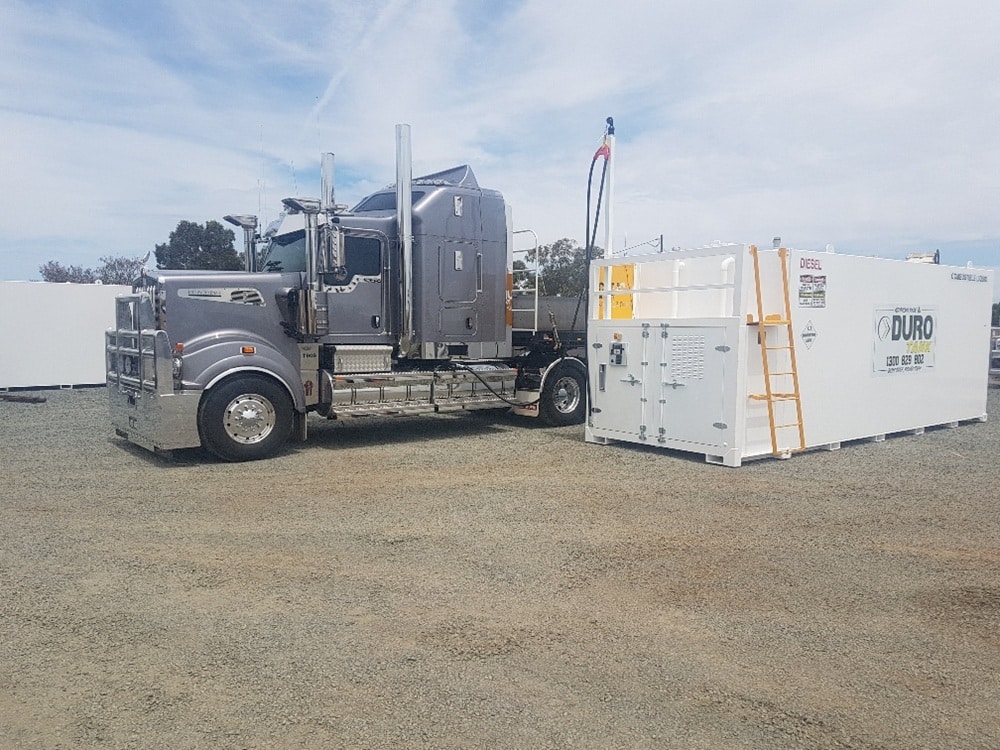
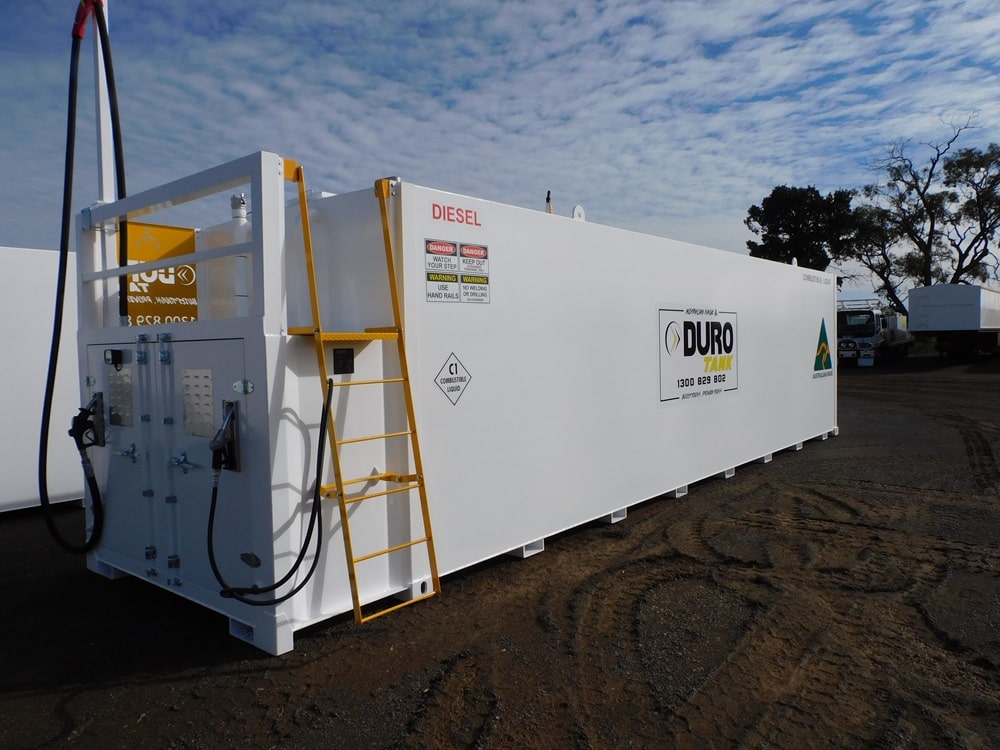
All of the above is far easier with storage built for the job. A quality self bunded fuel tank with a sealed design, proper venting, and inspection access protects fuel quality and makes monitoring simple, so your diesel stays ready to burn.
Why Fuel Quality Matters More for Some Operations
Every operation that stores diesel benefits from keeping it fresh, but for some the stakes are higher.
- Backup generators. Standby fuel can sit unused for months, so it is especially prone to degrading before it is ever needed. Keeping it usable is critical for reliable power.
- Farms often hold fuel across seasons, so shelf life directly affects whether machinery runs cleanly at planting and harvest.
- Mining and remote sites. Large volumes stored in hot, remote conditions need active management to stay in specification.
- Fuel held on site between phases must still perform when the machinery fires up.
- Fleet and transport depots. High turnover helps, but poor storage can still contaminate fuel before it is used.
Keep Your Diesel Ready With Durotank
Diesel lasts as long as your storage lets it. Keep it cool, sealed, full, and free of water, turn it over sensibly, and store it in a quality tank, and you turn a fuel that would fade in months into a reliable asset you can count on when it matters.
Durotank has been designing and manufacturing Australian-made fuel storage for 20 years, and the team can help you choose a tank that keeps your fuel in top condition. Explore the full range of self bunded fuel tanks or browse the complete product range to find the right fit for your operation.
Want fuel that is ready when you are? Get a quote today or call the Durotank team on 1300 829 802 for expert advice on storing diesel the right way.
Fast turnarounds. Australian Made. Built tough, Proven tough.
FAQs
How long does diesel last in storage?
Untreated diesel generally stays reliable for around 6 to 12 months when stored correctly. Kept cool, sealed, full, and free of water, and treated with additives for longer holds, it can last well beyond 12 months. Poor storage in hot or wet conditions shortens this significantly.
What causes diesel to go bad?
Three things degrade diesel: oxidation, where the fuel reacts with oxygen to form gums and sediment; water, which enters through condensation, poor seals, or deliveries; and microbial growth, or diesel bug, which forms where water and fuel meet. Managing water is the most effective prevention.
How can I make my stored diesel last longer?
Keep the tank cool and out of direct sun, sealed, and as full as practical to limit condensation. Keep water out with good seals and filtration and check for it regularly. Turn your fuel over sensibly, and use additives or fuel polishing for long-term storage.
Does diesel last longer in a full tank?
Yes. A fuller tank has less air space inside, which means less room for condensation to form as temperatures rise and fall. Keeping a tank topped up is a simple way to reduce water build-up and help preserve fuel quality.
How do I know if stored diesel has gone off?
Warning signs include a dark or cloudy appearance, a sour or off smell, sludge or sediment in the bottom of the tank, blocked filters, and water separating out. If you see these, the fuel should be tested, polished, or removed before it reaches your equipment.
Fuel storage is a critical component of operations across many industries in Australia. From farms and mines to construction sites…
AdBlue has quietly become essential kit for anyone running modern diesel equipment. It keeps engines compliant with emissions rules by…
A backup generator is only as reliable as the fuel sitting behind it. You can invest in the best standby…
If you store diesel on a farm, a mine site, a civil project or a transport depot, AS1940 is the…
When you are comparing steel fuel tanks, they can look remarkably similar on paper. They may have the same capacity,…
Search this question online and you will drown in British heating oil advice. OFTEC guidance, Environment Agency rules, Scottish EPA…
Buying a diesel tank looks simple until you start comparing them. Capacities range from a few hundred litres to six…
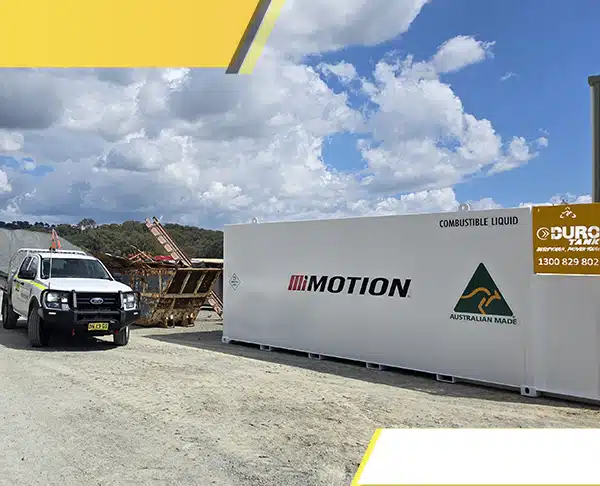

My experience with Durotank was exceptional from start to completion.
Emily was patient with us from the start - we took a while to make our decision, but she was always ready to help. She proactively addressed all enquiries and offered comprehensive support. No pressure, just good service.
Furthermore, Durotank was highly accommodating when we requested custom signage. It turned out great and looked fantastic.
I highly recommend Durotank to any organisation seeking a seamless, efficient, and thoroughly professional supplier for diesel tank requirements.


Joe Valesini - AUS Inds Customer Relationship Manager Motion
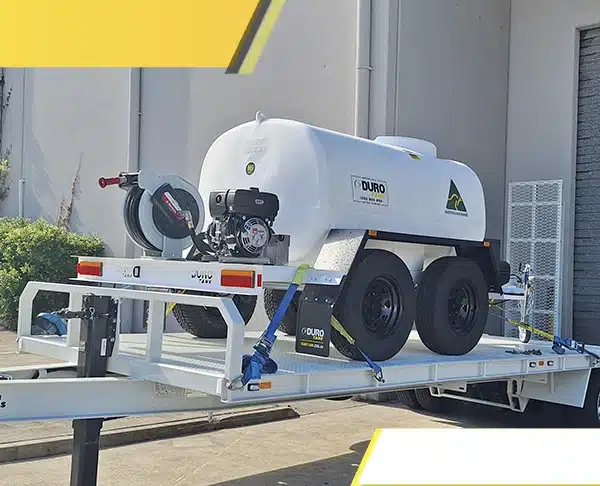
We had a great experience working with Durotank on our order for a 2,400L water cart trailer, set up for firefighting and tree watering. Their team was responsive throughout the process and delivered exactly what we needed on schedule, despite a very tight timeframe. The build quality is excellent - it’s clear a lot of care and expertise went into the manufacturing. We also value being able to support an Australian-made company and wouldn’t hesitate to recommend Durotank for both their product quality and service.
Joel Courtney – APMS Operations

We considered many other brands of diesel tank but quickly settled on Durotank - they ticked all the boxes. An Australian-made, self bunded quality tank with the ability to load and transport on-site whilst full is a winner.
The team communicated professionally with us regarding modifications and build timing. We will certainly use Durotank again and would confidently recommend them to others.
Andrew Reeves, Ethtec
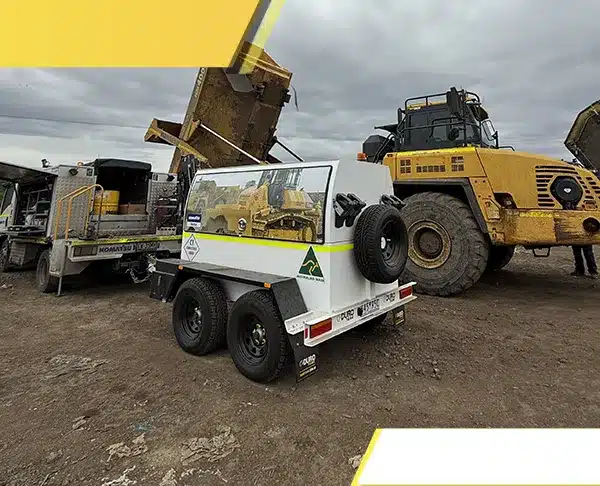
We had a great experience working with Durotank in purchasing our service trailer, from the enquiry stage to the delivery date the Durotank team were pleasant and very professional. Emily from the sales team answered any and all questions we had about specs and options, working with us to meet expectations and budget limitations. The production team kept us well informed of build schedule and approximate delivery dates. Overall we highly recommend the Durotank team if your looking for a service trailer, value for money is second to none and the quality is top notch.
Aaron Asquith - Leading Hand - Rental Komatsu Australia, Truganina Branch VIC
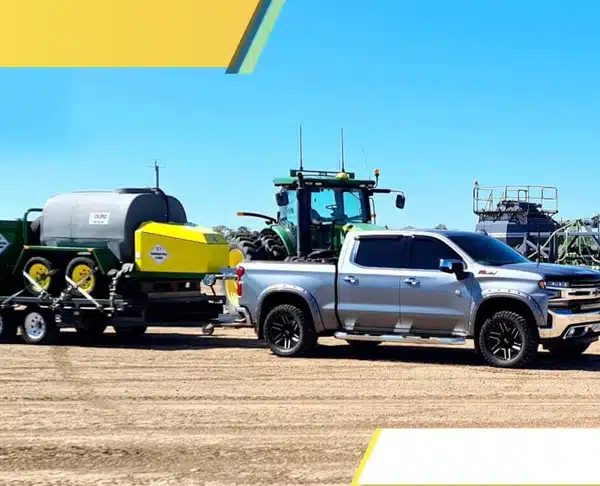
We purchased Durotank’s 2400 Litre poly water trailer with fire-fighter pump and hose reel, plus optional dribble bar and batter sprays attached.
Our property, Duxton Farm, borders the Kakadu National Park in the Northern Territory. Because of this, early season burning is extremely important to prevent uncontrollable bushfires later in the dry season. The trailer has been an invaluable asset to fire control – always full and ready to go when the call comes.
We’ve found it to be well balanced, empty or full, with the baffle ball system effectively controlling surge. We have had no issues with set-up, towing it with either a Landcruiser or Hilux.
Overall, we’re extremely happy with our purchase and the support from the Durotank team. We’ll be back.
Bruce Connolly, Northern Regional Manager, Duxton Farms

I purchased a Poly Tank Fuel Trailer from DUROTANK in April 2018. DUROTANK builds one of the best fuel trailers I have ever used. The build quality, engineering and attention to detail is unreal. The fuel trailer is rock solid, it tracks extremely well full of fuel at 100km/hr and its road worthy. All of the fittings are hoses are high quality hydraulic hose and crimped fittings so there are no leaks. The Durotank team is very easy to deal with and more than happy to help with any enquiries. The staff are friendly and it is a pleasure to do business with them. I’d buy another one in a heartbeat, that’s for sure
Ben Harris – AB Contract Farming
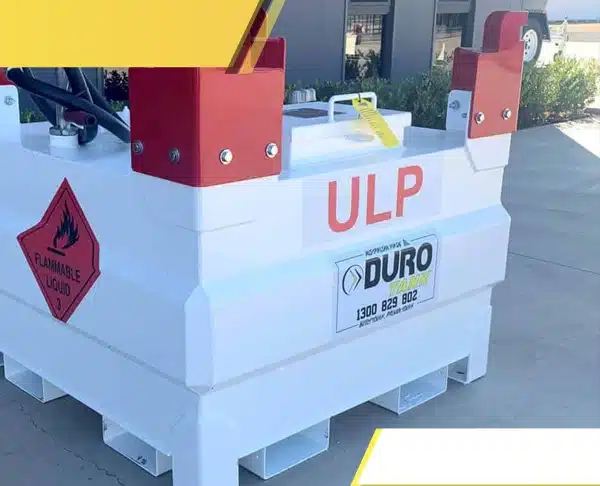
The Duro Cubes are going extremely well! My guys are very happy with them. Having them already saved us on oil transport on at least 2 occasions so far and has also allowed us to restructure our oil work days and use out of hours oil deliveries to make more efficient use of the time on site.
Field Supervisor, Electricity Distributor (AUSGRID)
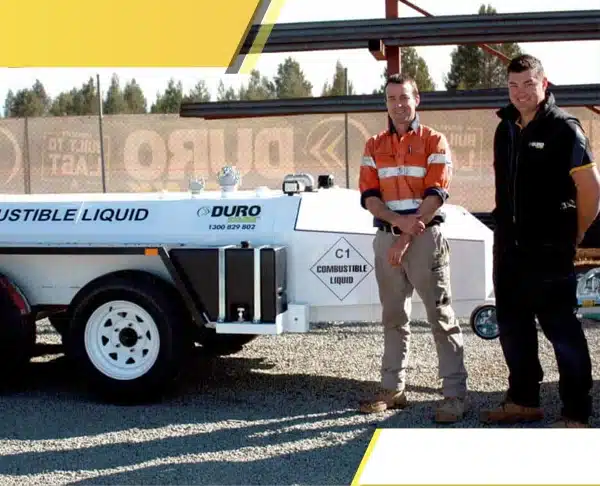
The fuel trailer I purchased from DUROTANK is well designed to withstand the harsh mining environment I work in, with no compromise to efficient and reliable fast fuel delivery
Brad Black – Hardrock Blasting Services
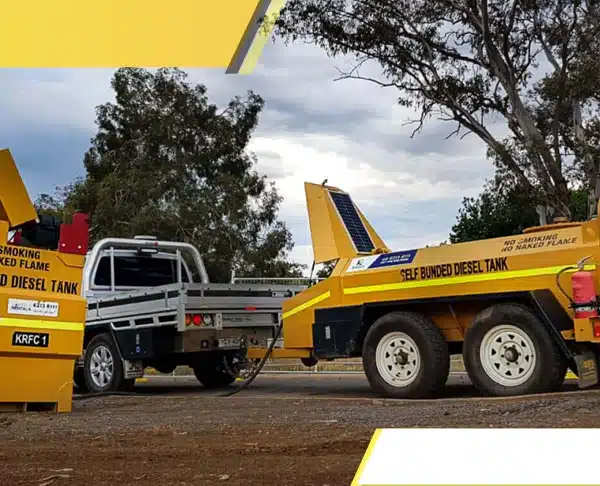
I would like to recommend Durotank to anyone that is considering their products. From first enquiry to after the product was delivered the customer experience was flawless.
Nick Dunlop – Kelton Rentals
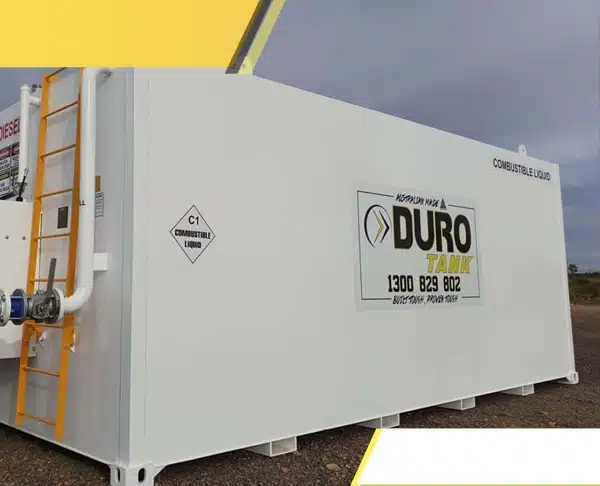
As a business owner I would highly recommend DUROTANK to any person who is serious about saving money, purchasing and storing their own fuel in bulk, particularly in today’s challenging economic times. DUROTANK supplied us an excellent quality Australian made fuel tank built to the specs that suited out business. Our staff love how easy it is to use and how much time it saves refuelling each week. We purchased the Smartfill System with it and its definitely a worthwhile investment both for use and fuel management. The aftersales service from DUROTANK has been outstanding.
Tony Grace – Lachlan Valley
The supply process from quotation to order placement, being kept informed of manufacturing process and delivery date and final delivery was seamless. I really appreciated the proactive approach to driving a positive Customer Experience. I couldn’t fault the product or service at all.
Peter – Meadows Family Restaurants
All our fuel trailers and on site tanks are supplied by Durotank which are built with strength and quality and always delivered on time, helpful and friendly staff, won’t get better.
