What are the main differences between diesel fuel tanks and AdBlue tanks?
Fuel tanks provide storage for a variety of fuel types. Two popular options for bulk storage tanks are diesel and AdBlue. This article considers the differences between diesel fuel tanks and AdBlue tanks alongside their main purposes and uses.
What are diesel fuel tanks?
Diesel fuel tanks are designed to store diesel fuel which is used to power diesel engines found in abundance in vehicles, trucks, generators, earthmoving equipment, farm machinery, and many other products. Diesel tanks are available in a range of sizes. Some diesel tanks are small residing within the machinery or vehicle and need to be frequently refilled, whilst other tanks are much larger, self-bunded and are used for bulk diesel storage and to assist with the refuelling of such equipment. Diesel tanks are usually made of metal so they can withstand corrosion and harsh environmental conditions and prevent fuel contamination.
What are AdBlue tanks?
AdBlue tanks have similar characteristics to diesel fuel tanks except that they store AdBlue instead of diesel. AdBlue’s major purpose is to assist the transportation industry in reducing pollution. AdBlue is added to diesel engines of trucks and vehicles to help reduce emissions. AdBlue consists of 32.5 per cent urea and 67.5 per cent deionized water and is added directly to the exhaust of a diesel engine to create a catalytic reaction. This Selective Catalytic Reduction (SCR) combines AdBlue with a vehicle’s typical exhaust gases, causing it to react with nitrogen oxide to produce water vapour, carbon dioxide and nitrogen. Australia and other countries have made AdBlue a mandatory requirement for Heavy Goods Vehicles above 7.5 tonnes and for cars fitted with SCR to help prevent pollution from toxic nitrogen oxides.
AdBlue tanks like diesel tanks are made of metal but are smaller in size than diesel tanks due to the much smaller volumes of AdBlue required in comparison to diesel.
Combined Diesel and AdBlue tanks
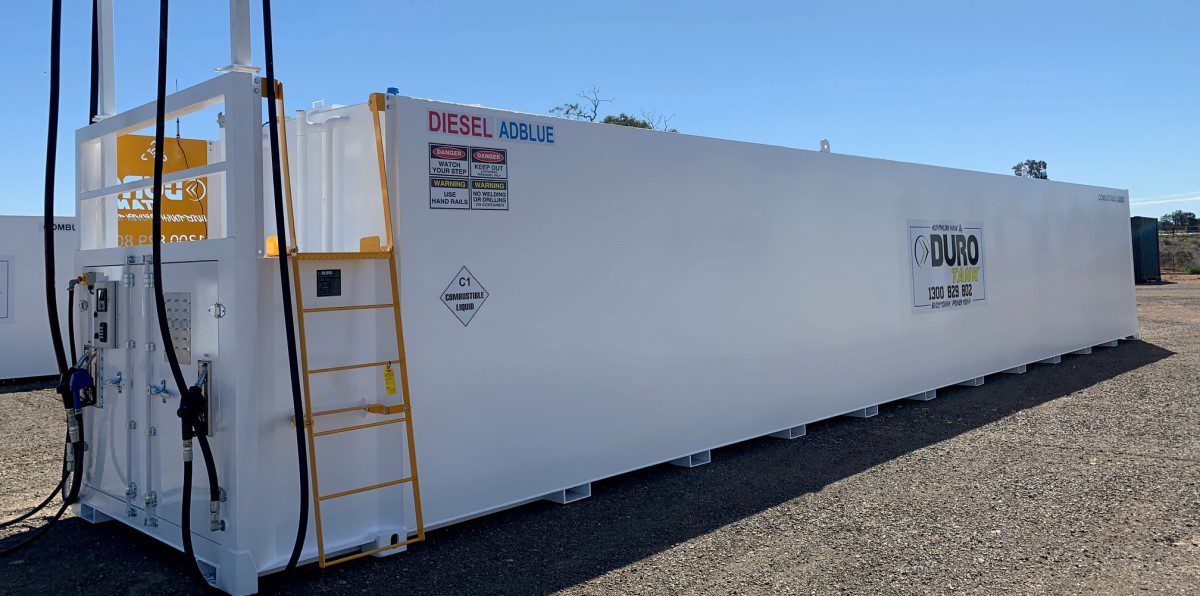
When it comes to storage and refuelling, having a dual-purpose tank that can safely hold diesel and AdBlue in one unit is highly beneficial. Not only does it reduce space and increase efficiencies for refuelling, but it can also create cost savings through having only one tank to purchase and maintain.
How Durotank can help
Durotank range of premium quality combined diesel and AdBlue (DAB) tanks and trailers have been used by the transportation industry for a number of years. Their DAB Smart Tanks offer superior storage with two tanks in one unit, allowing streamlined and more efficient refuelling. DAB tanks are available from 33,000L to 100,000L sizes, whilst DAB trailers come in 1,200L to 3,500L sizes. All are fully self-bunded to maximise safety, alleviate spillage and prevent contamination. To order your DAB Smart tank or DAB Durotanker trailer contact the team at Durotank on 1300 829 802.
If you store diesel on a farm, a mine site, a civil project or a transport depot, AS1940 is the…
When you are comparing steel fuel tanks, they can look remarkably similar on paper. They may have the same capacity,…
Search this question online and you will drown in British heating oil advice. OFTEC guidance, Environment Agency rules, Scottish EPA…
Buying a diesel tank looks simple until you start comparing them. Capacities range from a few hundred litres to six…
AdBlue has become a non-negotiable part of running a modern diesel fleet. Almost every truck, tractor, generator and piece of…
Diesel prices in Australia have hit record levels in 2026. Geopolitical disruption has pushed per-litre costs to their highest point…

When stored diesel is left unmanaged, the fuel sitting in your tank slowly changes. Water creeps in, sludge forms, and…
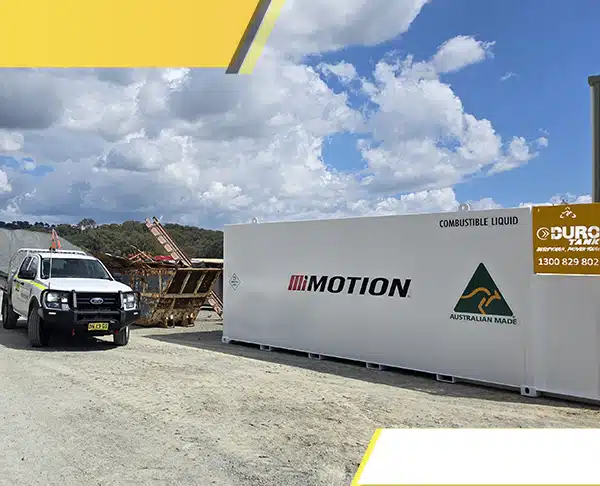

My experience with Durotank was exceptional from start to completion.
Emily was patient with us from the start - we took a while to make our decision, but she was always ready to help. She proactively addressed all enquiries and offered comprehensive support. No pressure, just good service.
Furthermore, Durotank was highly accommodating when we requested custom signage. It turned out great and looked fantastic.
I highly recommend Durotank to any organisation seeking a seamless, efficient, and thoroughly professional supplier for diesel tank requirements.


Joe Valesini - AUS Inds Customer Relationship Manager Motion
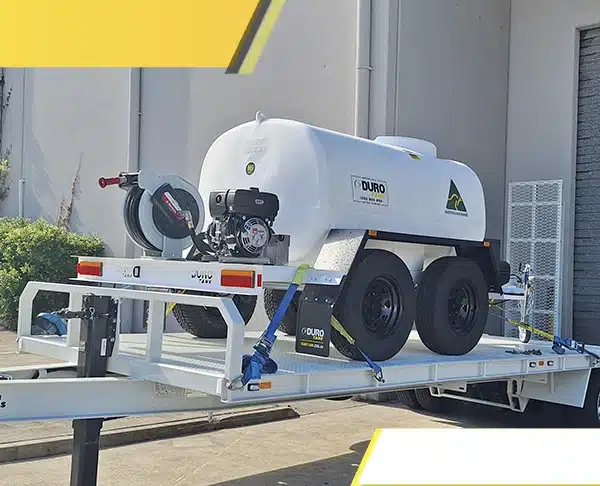
We had a great experience working with Durotank on our order for a 2,400L water cart trailer, set up for firefighting and tree watering. Their team was responsive throughout the process and delivered exactly what we needed on schedule, despite a very tight timeframe. The build quality is excellent - it’s clear a lot of care and expertise went into the manufacturing. We also value being able to support an Australian-made company and wouldn’t hesitate to recommend Durotank for both their product quality and service.
Joel Courtney – APMS Operations

We considered many other brands of diesel tank but quickly settled on Durotank - they ticked all the boxes. An Australian-made, self bunded quality tank with the ability to load and transport on-site whilst full is a winner.
The team communicated professionally with us regarding modifications and build timing. We will certainly use Durotank again and would confidently recommend them to others.
Andrew Reeves, Ethtec
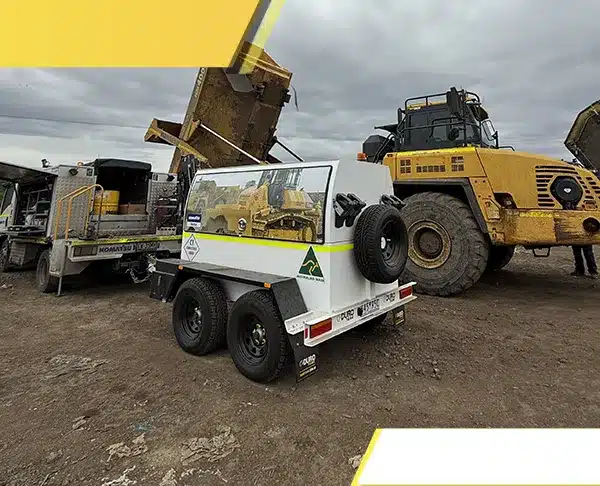
We had a great experience working with Durotank in purchasing our service trailer, from the enquiry stage to the delivery date the Durotank team were pleasant and very professional. Emily from the sales team answered any and all questions we had about specs and options, working with us to meet expectations and budget limitations. The production team kept us well informed of build schedule and approximate delivery dates. Overall we highly recommend the Durotank team if your looking for a service trailer, value for money is second to none and the quality is top notch.
Aaron Asquith - Leading Hand - Rental Komatsu Australia, Truganina Branch VIC
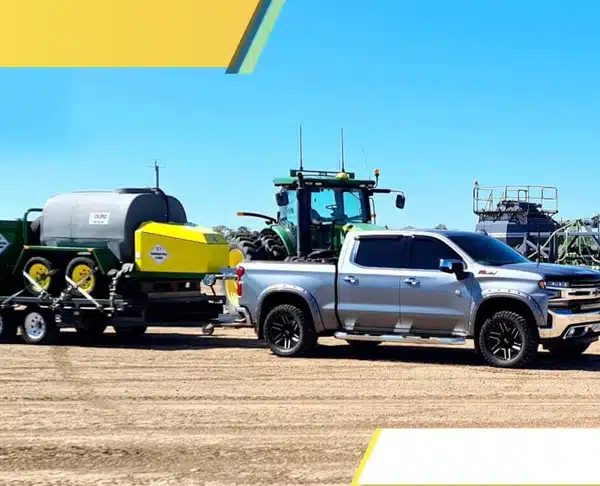
We purchased Durotank’s 2400 Litre poly water trailer with fire-fighter pump and hose reel, plus optional dribble bar and batter sprays attached.
Our property, Duxton Farm, borders the Kakadu National Park in the Northern Territory. Because of this, early season burning is extremely important to prevent uncontrollable bushfires later in the dry season. The trailer has been an invaluable asset to fire control – always full and ready to go when the call comes.
We’ve found it to be well balanced, empty or full, with the baffle ball system effectively controlling surge. We have had no issues with set-up, towing it with either a Landcruiser or Hilux.
Overall, we’re extremely happy with our purchase and the support from the Durotank team. We’ll be back.
Bruce Connolly, Northern Regional Manager, Duxton Farms

I purchased a Poly Tank Fuel Trailer from DUROTANK in April 2018. DUROTANK builds one of the best fuel trailers I have ever used. The build quality, engineering and attention to detail is unreal. The fuel trailer is rock solid, it tracks extremely well full of fuel at 100km/hr and its road worthy. All of the fittings are hoses are high quality hydraulic hose and crimped fittings so there are no leaks. The Durotank team is very easy to deal with and more than happy to help with any enquiries. The staff are friendly and it is a pleasure to do business with them. I’d buy another one in a heartbeat, that’s for sure
Ben Harris – AB Contract Farming
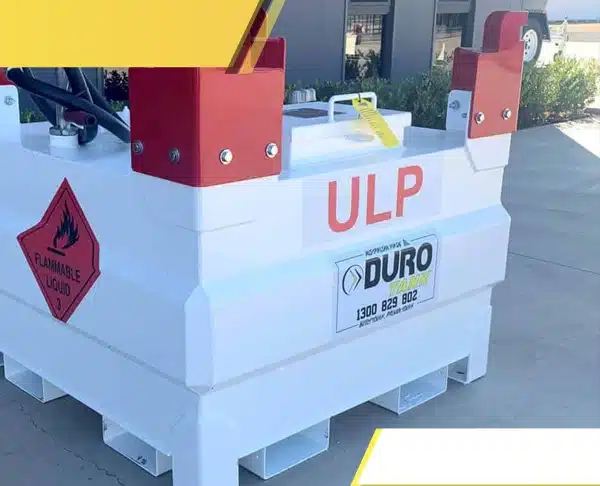
The Duro Cubes are going extremely well! My guys are very happy with them. Having them already saved us on oil transport on at least 2 occasions so far and has also allowed us to restructure our oil work days and use out of hours oil deliveries to make more efficient use of the time on site.
Field Supervisor, Electricity Distributor (AUSGRID)
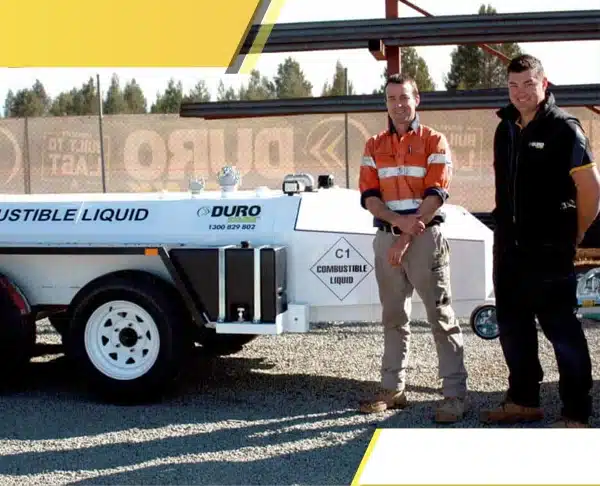
The fuel trailer I purchased from DUROTANK is well designed to withstand the harsh mining environment I work in, with no compromise to efficient and reliable fast fuel delivery
Brad Black – Hardrock Blasting Services
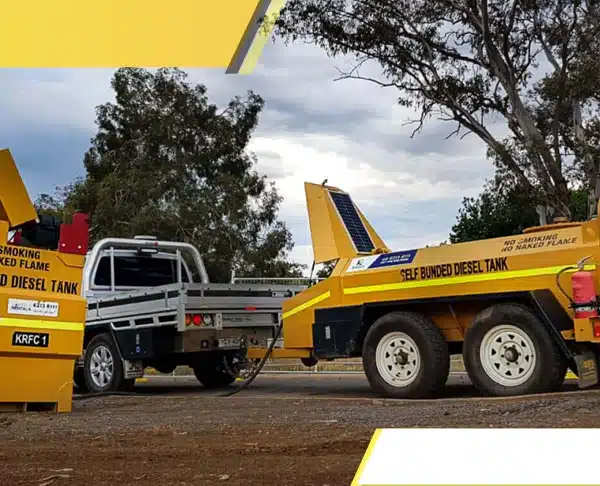
I would like to recommend Durotank to anyone that is considering their products. From first enquiry to after the product was delivered the customer experience was flawless.
Nick Dunlop – Kelton Rentals
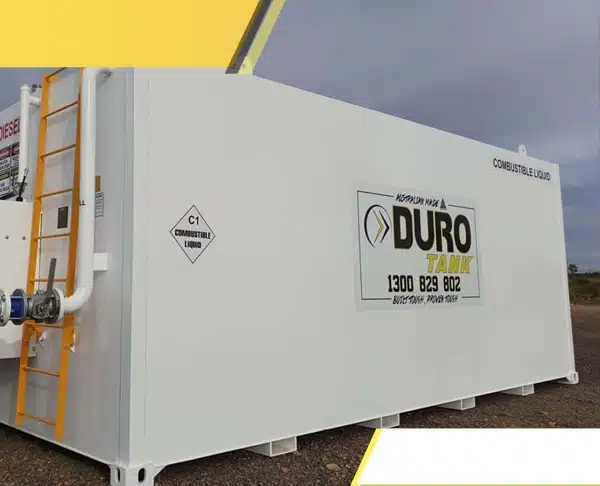
As a business owner I would highly recommend DUROTANK to any person who is serious about saving money, purchasing and storing their own fuel in bulk, particularly in today’s challenging economic times. DUROTANK supplied us an excellent quality Australian made fuel tank built to the specs that suited out business. Our staff love how easy it is to use and how much time it saves refuelling each week. We purchased the Smartfill System with it and its definitely a worthwhile investment both for use and fuel management. The aftersales service from DUROTANK has been outstanding.
Tony Grace – Lachlan Valley
The supply process from quotation to order placement, being kept informed of manufacturing process and delivery date and final delivery was seamless. I really appreciated the proactive approach to driving a positive Customer Experience. I couldn’t fault the product or service at all.
Peter – Meadows Family Restaurants
All our fuel trailers and on site tanks are supplied by Durotank which are built with strength and quality and always delivered on time, helpful and friendly staff, won’t get better.
