

What Is Diesel Bug? How to Stop Fuel Contamination Ruining Your Equipment
When stored diesel is left unmanaged, the fuel sitting in your tank slowly changes. Water creeps in, sludge forms, and a living colony of bacteria and fungi known as “diesel bug” can take hold. By the time you notice, the damage is often already done, and the repair bill lands at the worst possible moment.
For any operation that relies on bulk on-site diesel standby generators fuel contamination is one of the most expensive and most preventable problems going around. This guide explains what a diesel bug actually is, how contamination gets into your tank, the warning signs to watch for, and the practical steps that keep stored diesel clean and your equipment running.
What is diesel bug?
“Diesel bug” is the common name for microbial contamination of diesel fuel. It’s caused by bacteria, yeasts and fungi that live and multiply in the fuel specifically at the boundary where water meets diesel. The presence of water enables the growth of these microbes, which feed on the hydrocarbons in the fuel and produce a dark, slimy sludge and acidic by-products.
The result is a tank that gradually turns into a biological reactor. The sludge clogs filters and fuel lines, the acids corrode tank walls and components, and the contaminated fuel carries all of it straight into your engine.
Why contamination is a bigger problem than it used to be
Two changes have made stored diesel more vulnerable than it was a generation ago.
First, today’s ultra-low-sulphur diesel and biodiesel blends are far more hygroscopic; they actively attract and hold water more than any other fuel. Water is the catalyst that diesel bug needs to thrive. It provides the environment necessary for their survival, so fuel that pulls moisture out of the air is effectively feeding the problem.
Second, fuel turns over more slowly on many sites than people assume. Industry consensus is that untreated diesel stays reliably fresh for only around 6 to 12 months before degradation and microbial growth start to appear. A tank that’s oversized for the operation, or one that sits half-full through a quiet season, gives contamination plenty of time to establish.

How does water get into your tank?
Diesel bug can’t get going without water, so understanding how water arrives is the key to stopping it:
- Condensation. As a tank heats during the day and cools at night, the air inside expands and contracts, “breathing” humid air in and out. That moisture condenses on the cooler tank walls and runs down into the fuel. A partly empty tank has more air space, so it condenses more water.
- Rain and poor seals. Worn caps, damaged seals, loose fittings and unprotected vents let rainwater and humid air straight in.
- Delivery. Water can arrive with the fuel itself, or be drawn in during transfer if equipment isn’t clean and sealed.
- Ground and tank design. Tanks that allow water to pool, or that lack a proper low point for draining, let water accumulate unnoticed at the bottom exactly where the bug lives.
Warning signs of contaminated diesel
Catching contamination early saves money. Watch for:
- Dark, cloudy or hazy fuel instead of a clear bright colour
- A sour, rotten or sulphurous smell
- A slimy black or brown sludge on filters, dip sticks or tank walls
- Excessive exhaust smoke
- Filters clogging or needing frequent replacement
- Reduced engine performance – losing power, running rough, or stalling especially under load
- Water visibly separating at the bottom of a fuel sample
You may also get a diagnostic trouble code (check engine light or water in fuel light) related to fuel rail pressure or performance. If you’re seeing any of these, the fuel and the tank both need attention before more equipment is exposed.
The real cost of ignoring it
It’s tempting to treat fuel quality as a minor housekeeping issue, but the numbers say otherwise. A single contaminated batch can mean replacement filters across the fleet, professional tank cleaning, fuel waste, , and worst case, failed injectors or fuel pumps that run into the thousands per machine. Add the downtime when a harvester, dozer or generator drops out mid-job, and a few hundred dollars of neglected fuel maintenance turns into a five-figure disruption.
This is the same logic that makes leak prevention worthwhile: the containment built into a quality tank protects the environment and your balance sheet at once. Our breakdown of what EPA inspectors actually look for shows how closely fuel handling, contamination and compliance are linked on a modern site.
How to keep stored diesel clean
The good news is that the diesel bug is almost entirely preventable with a few disciplined habits and the right equipment.
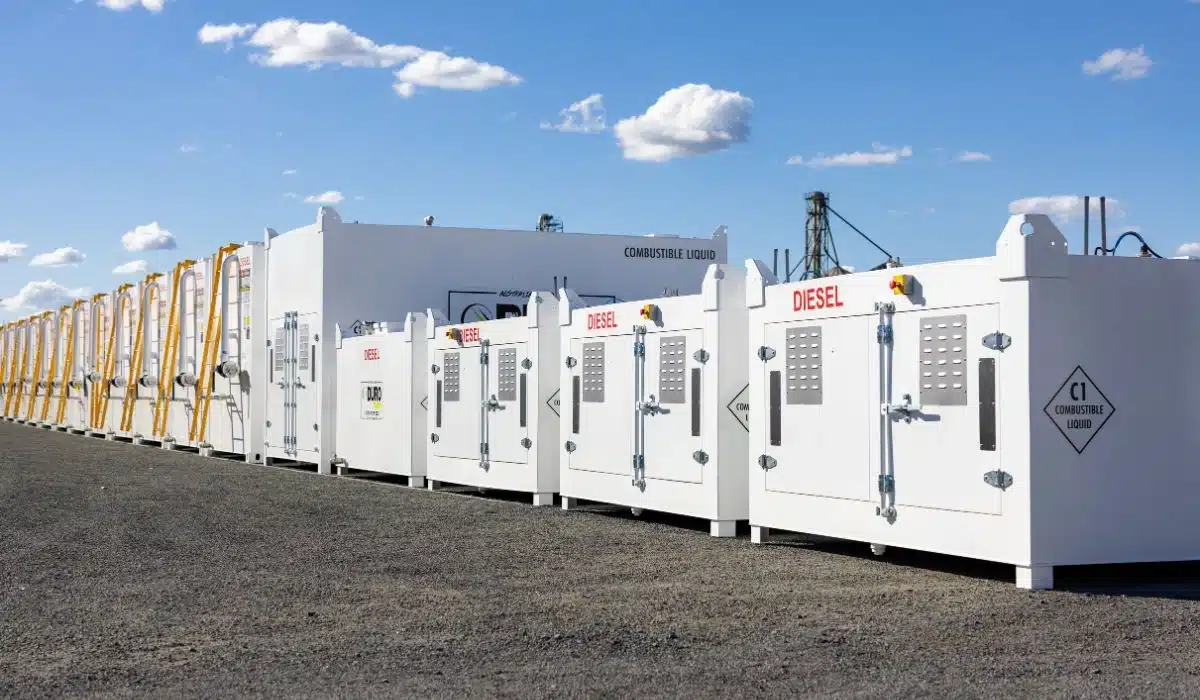
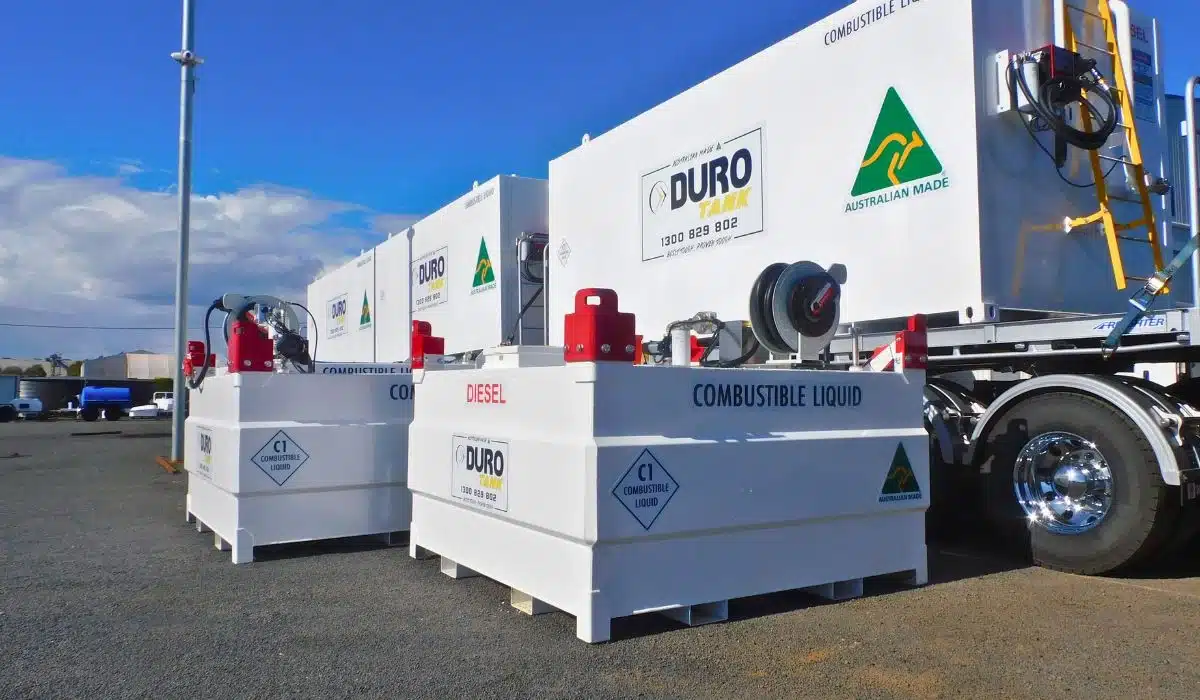
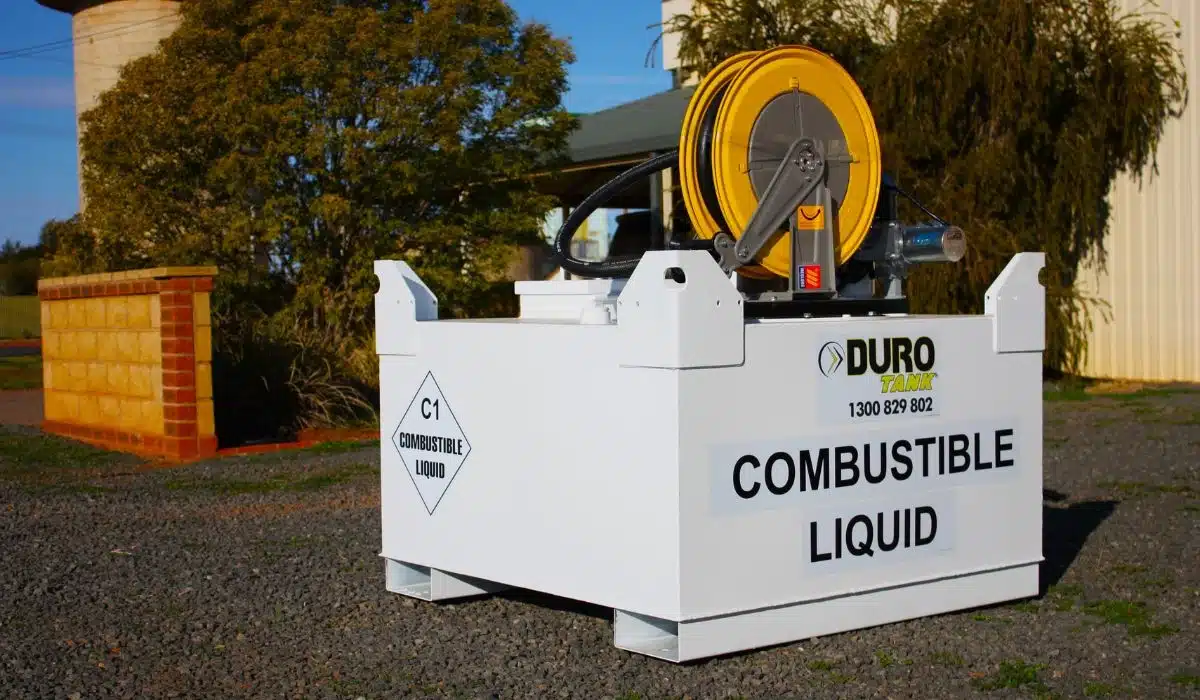
Start with the right tank. Contamination thrives in tanks that let water pool in them. Durotank’s self bunded fuel tanks are built from heavy-duty steel with sealed, lockable fill points designed to keep weather and contaminants out and the double-wall bund means any inner-tank issue is contained rather than spilled. For very large fixed installations with their own engineered containment, single wall tanks remain an option, provided water management is handled at the design stage.
Keep tanks above 80% full. A fuller tank has less air space, which means less breathing and less condensation. Topping up before long idle periods is one of the cheapest defences available.
Filter and separate water. Fit fuel filters and water separators between the tank and your equipment, and replace elements on schedule. A fine filter and a water-separating bowl catch the bulk of contaminants before they reach an injector.
Turn fuel over. Match your tank size to your real consumption so fuel doesn’t sit for more than a few months, and use the oldest fuel first. Storing more than you can use in a season is a false economy if it spoils.
Treat and test. For fuel that must be stored, long term standby generators are a classic case of biocide additives and periodic fuel testing keeps microbial growth in check. Where contamination is already established, professional fuel polishing (recirculating the fuel through fine filtration and water separation) can recover a tank without dumping the whole load.
Monitor it. You can’t manage what you can’t see. A fuel management system tracks levels, usage and refills, which helps you keep tanks appropriately full, spot unusual drops, and schedule maintenance before problems escalate.
Build contamination control into your maintenance routine
Prevention works best as a habit, not a reaction. A simple recurring check sampling fuel from the tank bottom, draining any accumulated water, inspecting seals and vents, and reviewing filter condition catches trouble while it’s still cheap to fix. If you’d like a ready-made starting point, Durotank’s inspection checklist gives you a structured routine to work from.
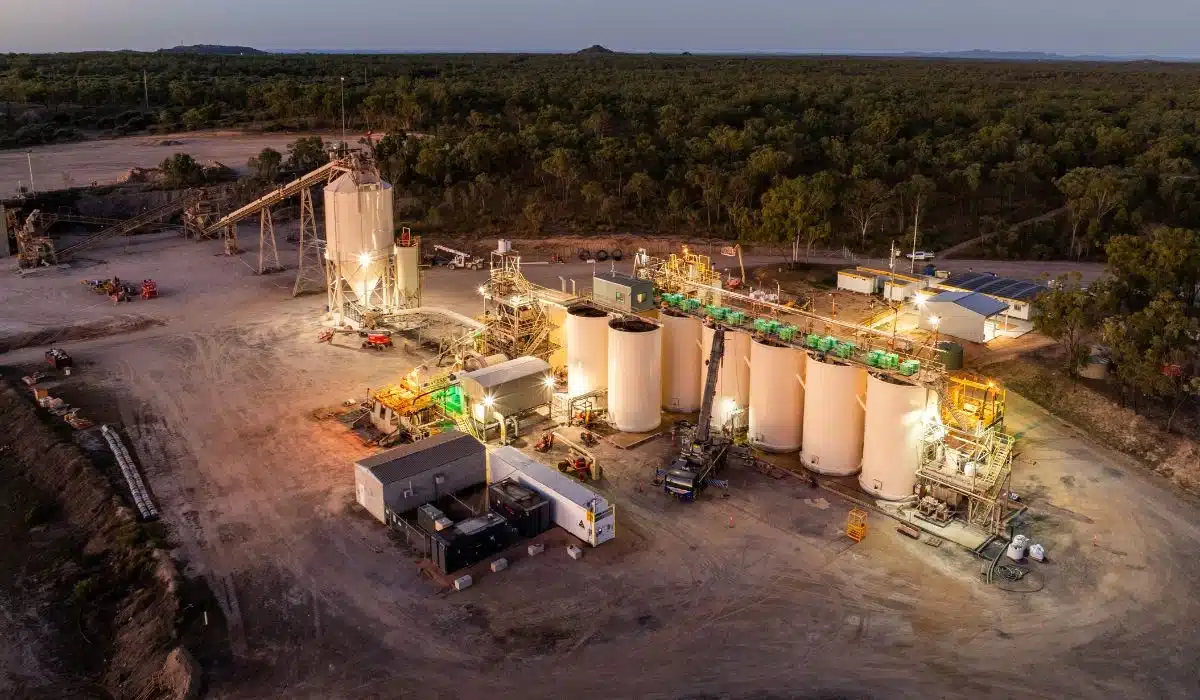
The stakes vary by sector, but the principle doesn’t. Mining operations running fuel through expensive plants around the clock can’t afford a contamination-driven stoppage, while agricultural operations face the added challenge of seasonal tanks that sit largely idle between peaks prime conditions for diesel bug to develop unnoticed.
Frequently Asked Questions
How long can diesel be safely stored before it goes bad?
Untreated diesel generally stays reliable for around 6 to 12 months. Beyond that, oxidation, water absorption, and microbial growth begin to degrade fuel quality. Storing diesel in a sealed, well-maintained tank, keeping it cool and full, and using additives for long-term storage can significantly extend its lifespan.
What causes diesel bug to grow in a fuel tank?
Diesel bug requires water to survive. Microbes grow at the interface between water and fuel, so any water entering the tank through condensation, poor seals, rain, or fuel deliveries can create ideal conditions for contamination. Warm temperatures and low fuel turnover can accelerate growth. Managing water is the most effective way to prevent diesel bug.
Can contaminated diesel be saved, or do I have to dispose of it?
In many cases, mildly contaminated diesel can be recovered through fuel polishing, which removes water, sludge, and contaminants through specialised filtration. Tank cleaning and biocidal ‘anti-bug’ treatment may also be required. Severely degraded fuel may need to be disposed of, but the tank should always be cleaned and the source of contamination addressed to prevent future issues.
Does a self bunded tank prevent fuel contamination?
A quality self bunded tank does not eliminate the risk of contamination, but it significantly reduces it. By protecting fuel from weather, moisture, and external contaminants while safely containing leaks, self bunded tanks provide one of the most effective fuel storage solutions. Regular maintenance, water removal, and proper fuel management remain important.
How do I know if my stored diesel is contaminated?
The best way to check is by taking a sample from the bottom of the tank. Clean diesel should appear clear and bright. Signs of contamination include cloudiness, dark or hazy fuel, visible water separation, sludge buildup, or a sour odour. Frequent filter blockages and poor engine performance are also common indicators that fuel contamination may be present.
Protect your fuel before it costs you a rebuild
Diesel bug and water contamination are slow, silent and entirely preventable but only if you store fuel in equipment designed to keep contaminants out with regular maintenance.. Durotank manufactures Australian-made, sealed, double-wall fuel storage solutions built to protect fuel quality in the toughest conditions. If you’d like help choosing a tank that keeps your diesel clean and your equipment running, get in touch with our team or call 1300 829 802. Australian made. Built tough. Proven tough.
If you store diesel on a farm, a mine site, a civil project or a transport depot, AS1940 is the…
When you are comparing steel fuel tanks, they can look remarkably similar on paper. They may have the same capacity,…
Search this question online and you will drown in British heating oil advice. OFTEC guidance, Environment Agency rules, Scottish EPA…
Buying a diesel tank looks simple until you start comparing them. Capacities range from a few hundred litres to six…
AdBlue has become a non-negotiable part of running a modern diesel fleet. Almost every truck, tractor, generator and piece of…
Diesel prices in Australia have hit record levels in 2026. Geopolitical disruption has pushed per-litre costs to their highest point…
If you’re running a fleet, a farm, a construction site, or any operation that burns through diesel at scale, you’ve…
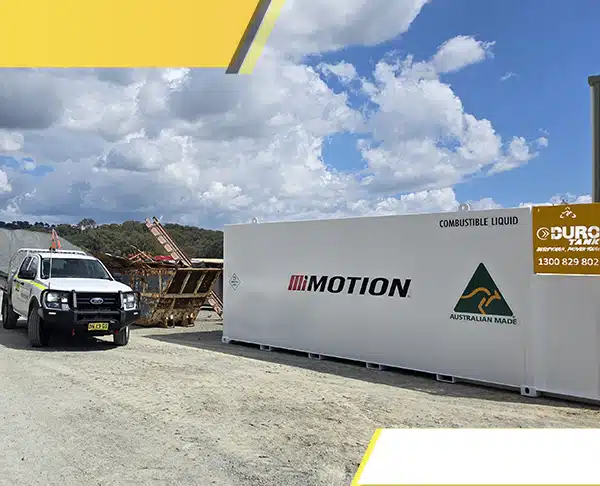

My experience with Durotank was exceptional from start to completion.
Emily was patient with us from the start - we took a while to make our decision, but she was always ready to help. She proactively addressed all enquiries and offered comprehensive support. No pressure, just good service.
Furthermore, Durotank was highly accommodating when we requested custom signage. It turned out great and looked fantastic.
I highly recommend Durotank to any organisation seeking a seamless, efficient, and thoroughly professional supplier for diesel tank requirements.


Joe Valesini - AUS Inds Customer Relationship Manager Motion
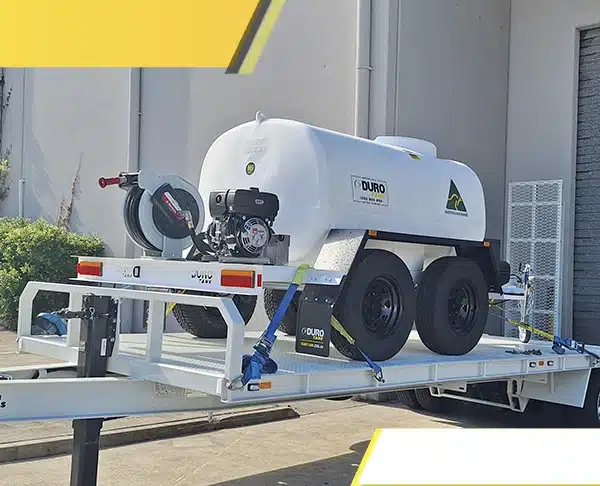
We had a great experience working with Durotank on our order for a 2,400L water cart trailer, set up for firefighting and tree watering. Their team was responsive throughout the process and delivered exactly what we needed on schedule, despite a very tight timeframe. The build quality is excellent - it’s clear a lot of care and expertise went into the manufacturing. We also value being able to support an Australian-made company and wouldn’t hesitate to recommend Durotank for both their product quality and service.
Joel Courtney – APMS Operations

We considered many other brands of diesel tank but quickly settled on Durotank - they ticked all the boxes. An Australian-made, self bunded quality tank with the ability to load and transport on-site whilst full is a winner.
The team communicated professionally with us regarding modifications and build timing. We will certainly use Durotank again and would confidently recommend them to others.
Andrew Reeves, Ethtec
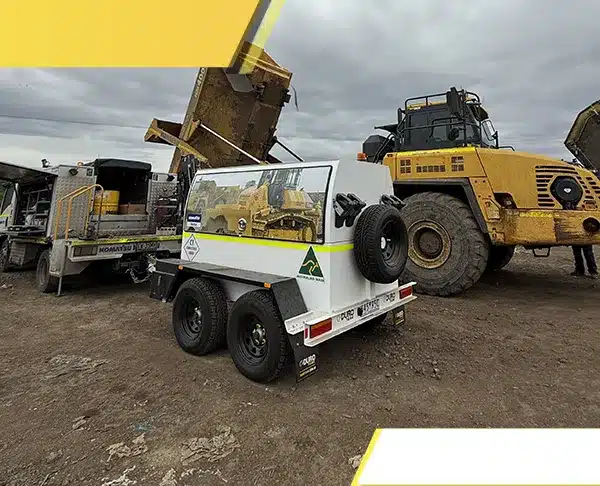
We had a great experience working with Durotank in purchasing our service trailer, from the enquiry stage to the delivery date the Durotank team were pleasant and very professional. Emily from the sales team answered any and all questions we had about specs and options, working with us to meet expectations and budget limitations. The production team kept us well informed of build schedule and approximate delivery dates. Overall we highly recommend the Durotank team if your looking for a service trailer, value for money is second to none and the quality is top notch.
Aaron Asquith - Leading Hand - Rental Komatsu Australia, Truganina Branch VIC
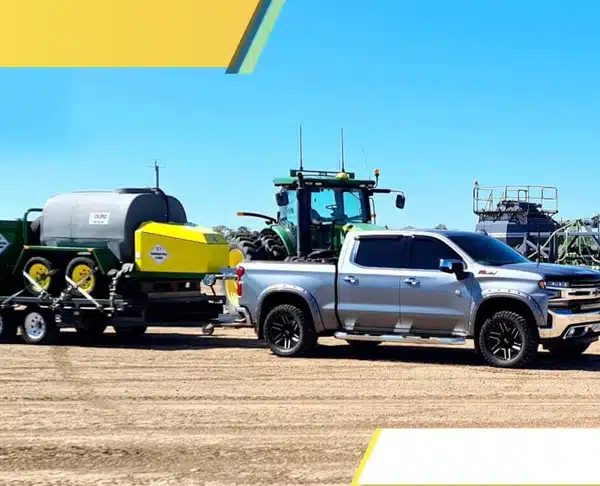
We purchased Durotank’s 2400 Litre poly water trailer with fire-fighter pump and hose reel, plus optional dribble bar and batter sprays attached.
Our property, Duxton Farm, borders the Kakadu National Park in the Northern Territory. Because of this, early season burning is extremely important to prevent uncontrollable bushfires later in the dry season. The trailer has been an invaluable asset to fire control – always full and ready to go when the call comes.
We’ve found it to be well balanced, empty or full, with the baffle ball system effectively controlling surge. We have had no issues with set-up, towing it with either a Landcruiser or Hilux.
Overall, we’re extremely happy with our purchase and the support from the Durotank team. We’ll be back.
Bruce Connolly, Northern Regional Manager, Duxton Farms

I purchased a Poly Tank Fuel Trailer from DUROTANK in April 2018. DUROTANK builds one of the best fuel trailers I have ever used. The build quality, engineering and attention to detail is unreal. The fuel trailer is rock solid, it tracks extremely well full of fuel at 100km/hr and its road worthy. All of the fittings are hoses are high quality hydraulic hose and crimped fittings so there are no leaks. The Durotank team is very easy to deal with and more than happy to help with any enquiries. The staff are friendly and it is a pleasure to do business with them. I’d buy another one in a heartbeat, that’s for sure
Ben Harris – AB Contract Farming
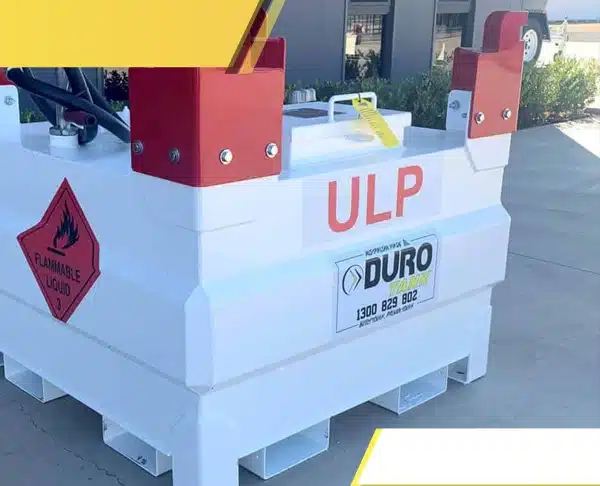
The Duro Cubes are going extremely well! My guys are very happy with them. Having them already saved us on oil transport on at least 2 occasions so far and has also allowed us to restructure our oil work days and use out of hours oil deliveries to make more efficient use of the time on site.
Field Supervisor, Electricity Distributor (AUSGRID)
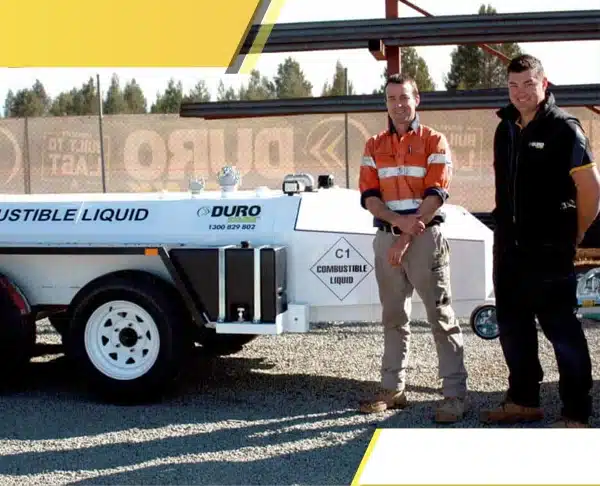
The fuel trailer I purchased from DUROTANK is well designed to withstand the harsh mining environment I work in, with no compromise to efficient and reliable fast fuel delivery
Brad Black – Hardrock Blasting Services
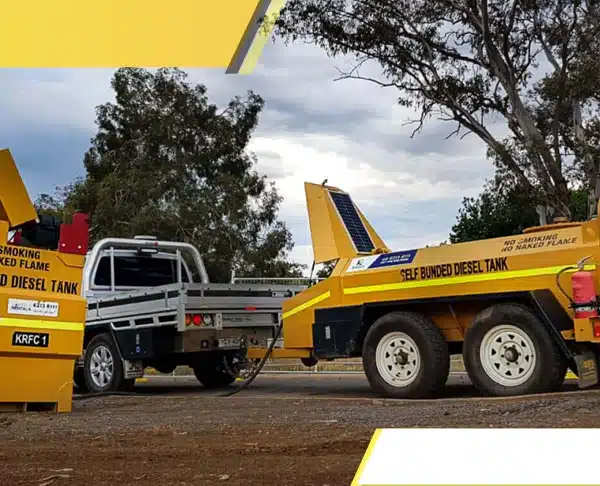
I would like to recommend Durotank to anyone that is considering their products. From first enquiry to after the product was delivered the customer experience was flawless.
Nick Dunlop – Kelton Rentals
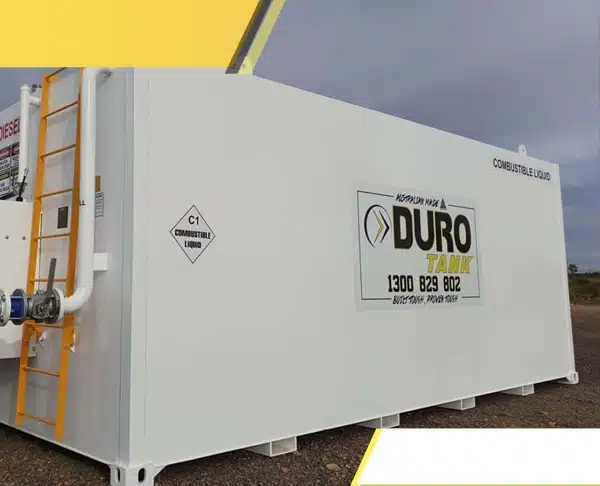
As a business owner I would highly recommend DUROTANK to any person who is serious about saving money, purchasing and storing their own fuel in bulk, particularly in today’s challenging economic times. DUROTANK supplied us an excellent quality Australian made fuel tank built to the specs that suited out business. Our staff love how easy it is to use and how much time it saves refuelling each week. We purchased the Smartfill System with it and its definitely a worthwhile investment both for use and fuel management. The aftersales service from DUROTANK has been outstanding.
Tony Grace – Lachlan Valley
The supply process from quotation to order placement, being kept informed of manufacturing process and delivery date and final delivery was seamless. I really appreciated the proactive approach to driving a positive Customer Experience. I couldn’t fault the product or service at all.
Peter – Meadows Family Restaurants
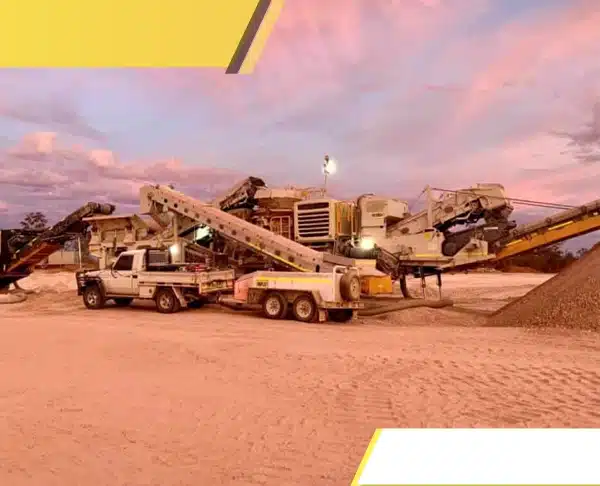
All our fuel trailers and on site tanks are supplied by Durotank which are built with strength and quality and always delivered on time, helpful and friendly staff, won’t get better.
