
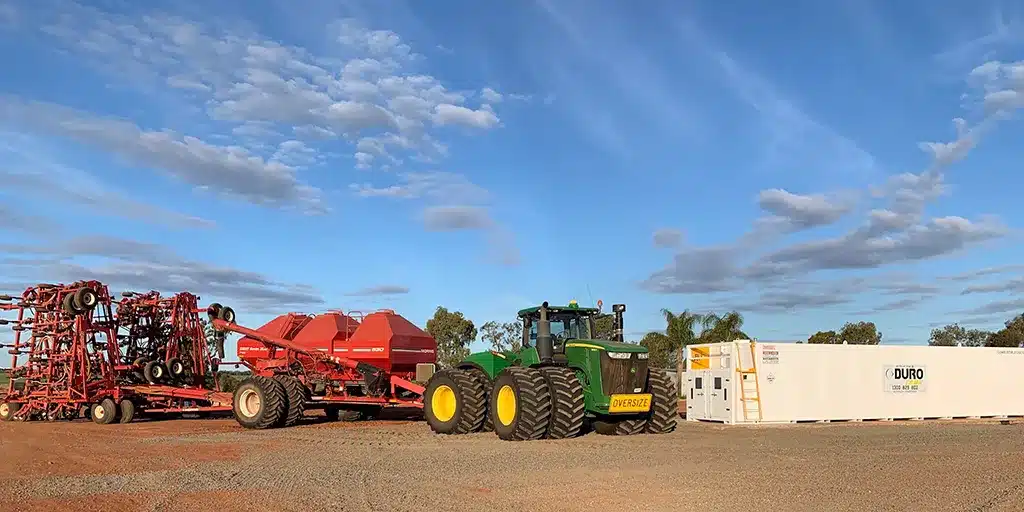
How On-Site Fuel Storage Can Protect Your Business from Price Spikes
Fuel markets have always been sensitive to global events and businesses that depend on diesel or petrol feel the impact almost immediately. On-site fuel storage solutions provide a way for companies to mitigate risk and maintain operational stability.
For industries such as agriculture, construction, mining, and transport, fuel is not just another operating cost. It powers vehicles, heavy machinery, generators, and production equipment. When prices rise suddenly, operating expenses can increase significantly, potentially disrupting carefully planned budgets.
Because of this, many companies are exploring on-site fuel storage solutions to secure fuel supply and reduce exposure to unpredictable market fluctuations. One of the most practical approaches is investing in on-site storage. Reliable systems like Self Bunded Diesel Tanks and other commercial Fuel Tanks are designed for safe and efficient fuel management, providing businesses with both operational stability and cost control.
Why Fuel Prices Can Change So Quickly
Fuel pricing is influenced by a complex global supply chain that includes oil production, transportation, refining, and distribution. Oil extracted in one region may travel thousands of kilometres before being refined and delivered to businesses that rely on it for daily operations. Because of this interconnected system, even small disruptions can quickly influence prices.
The Hidden Business Costs of Fuel Price Spikes
Fuel price volatility has a ripple effect across multiple aspects of business operations. While the most obvious impact is the direct increase in fuel costs, several other financial pressures often follow.
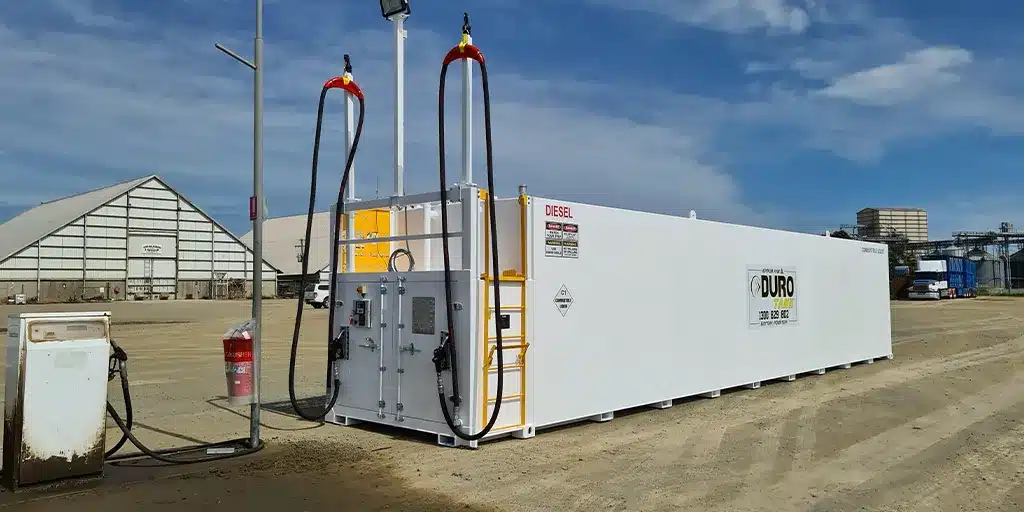
Higher Operating Expenses
Heavy machinery, fleet vehicles, agricultural equipment, and generators consume large volumes of fuel every day. When fuel prices increase, businesses immediately face higher operating costs, which can significantly affect project budgets and production expenses.
Pressure on Profit Margins
Companies operating under fixed contracts or competitive market pricing may not be able to pass higher fuel costs on to their customers. As a result, rising fuel expenses can reduce overall profit margins and limit financial flexibility.
Disruptions to Logistics and Planning
Fuel volatility can also affect supply chains and transportation networks. Higher fuel costs may increase freight rates, delay deliveries, or influence supplier pricing. Over time, these changes make it more difficult for businesses to maintain predictable operating costs.
Because fuel is such a fundamental resource for many industries, managing fuel availability and pricing has become a strategic priority for long-term operational stability.
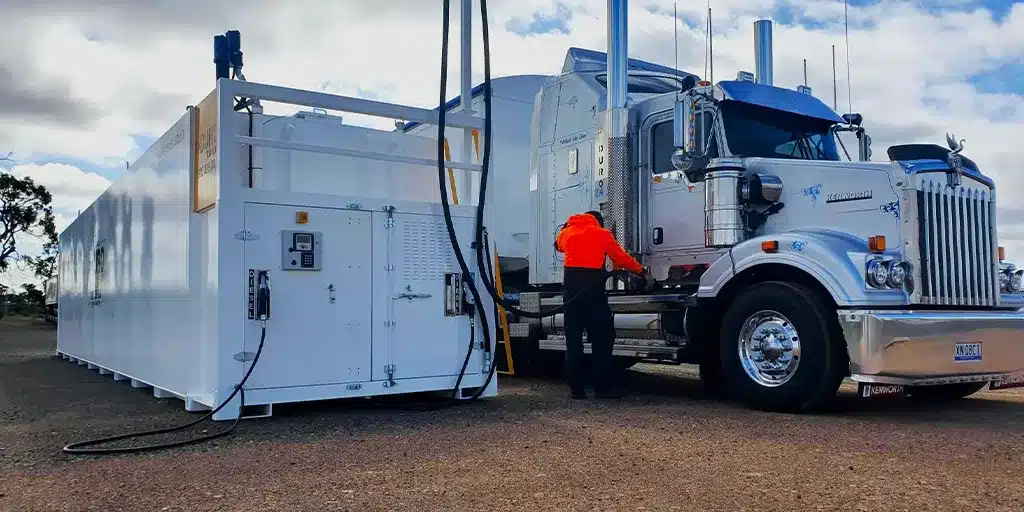
On-Site Fuel Storage: A Strategic Business Advantage
On-site fuel storage allows businesses to take a proactive approach to managing fuel supply and operational costs. Instead of relying on frequent refuelling from external fuel stations, companies can purchase fuel in bulk and store it directly at their facility or worksite.
This approach offers several operational and financial benefits that can help businesses maintain greater stability in uncertain fuel markets.
Bulk Purchasing Opportunities
When businesses have the capacity to store fuel, they can purchase larger quantities at a more favourable price. Bulk purchasing often provides better pricing compared to smaller, frequent purchases made during periods of market volatility.
Reduced Exposure to Price Spikes
Fuel stored on-site provides a buffer against sudden price increases. When market prices rise unexpectedly, businesses can continue operating using stored fuel rather than paying peak prices.
Improved Operational Efficiency
On-site storage eliminates the need for workers or fleet operators to travel to external fuel stations. Equipment can be refuelled directly at the job site, saving time and improving overall productivity.
Greater Fuel Security
Reliable fuel storage ensures that businesses can maintain operations even during supply disruptions or temporary fuel shortages.
Commercial storage solutions such as Fuel Tanks provide the infrastructure necessary to support safe and efficient fuel management across a wide range of industries.
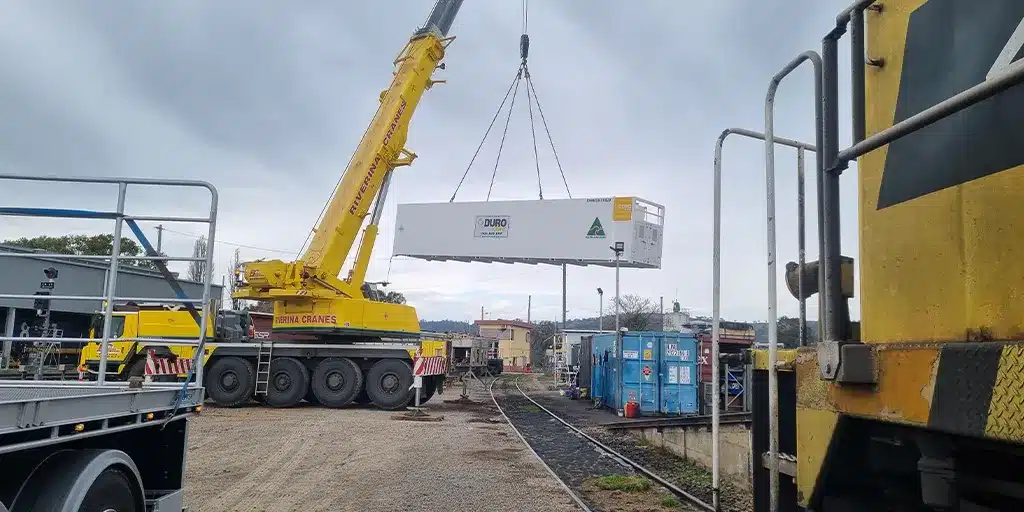
Why Self Bunded Diesel Tanks Are the Industry Standard
Modern fuel storage technology has evolved significantly to meet environmental regulations and safety requirements. One of the most widely used systems in commercial and industrial applications is the self bunded fuel tank.
Built-In Environmental Protection
Self bunded tanks feature a double-wall design that includes an outer containment layer surrounding the primary tank. This structure helps capture potential leaks and prevents fuel from entering the surrounding environment.
Because of this added protection, self bunded tanks are commonly used in industries where environmental compliance and responsible fuel storage are critical.
Durable Construction for Demanding Environments
Industrial fuel tanks are often used in harsh conditions, including remote agricultural properties, mining sites, and construction environments. These tanks are built using durable materials that can withstand heavy use, changing weather conditions, and long-term outdoor exposure.
High-Capacity Storage Solutions
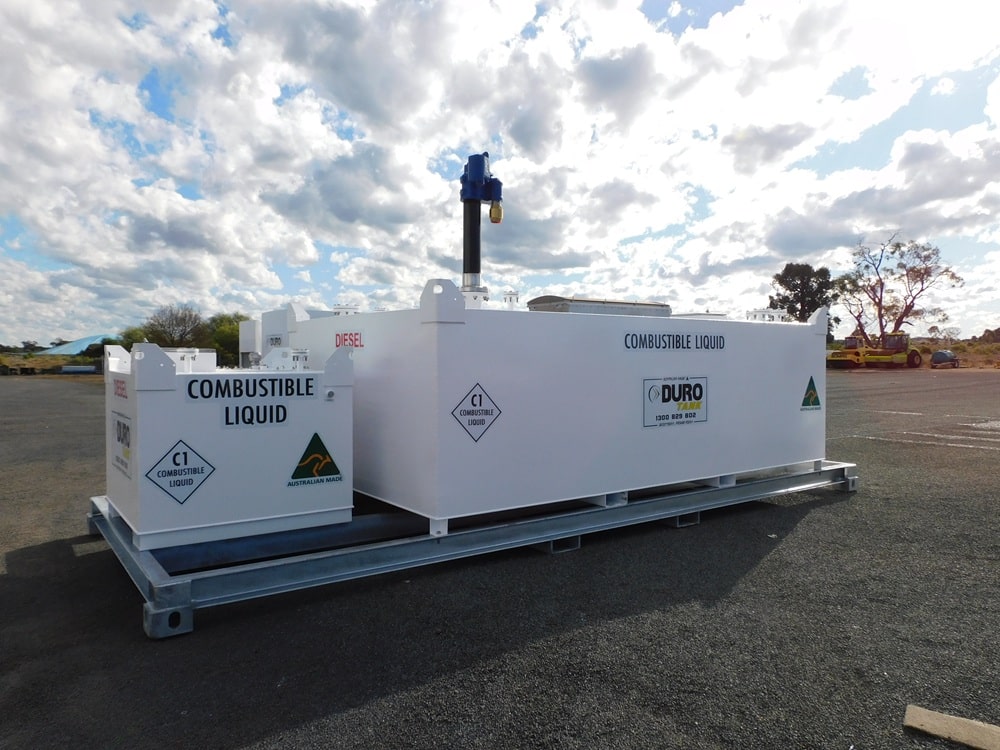
Businesses with significant fuel requirements often choose Self Bunded Fuel Tanks, which allow companies to store large volumes of diesel while maintaining safe containment and easy fuel access.
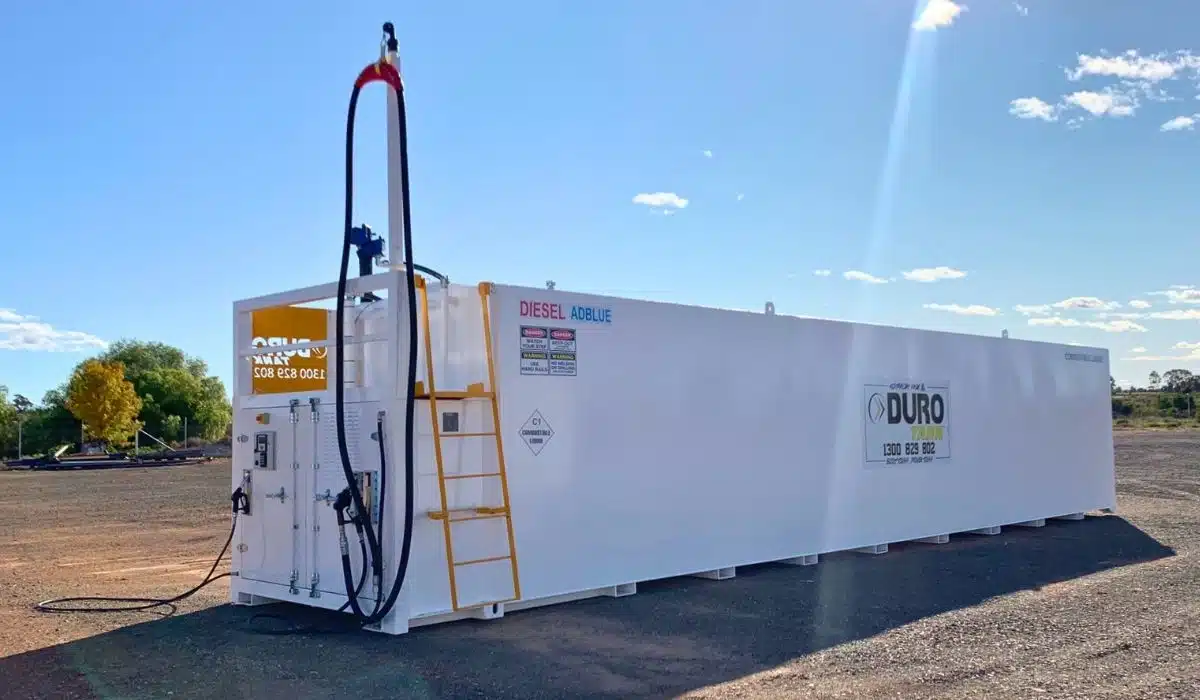
These systems often include integrated pumps, dispensing equipment, and secure access controls that help simplify fuel management.
Industries That Benefit Most from On-Site Fuel Storage
While many businesses can benefit from reliable fuel storage, certain industries rely particularly heavily on a consistent fuel supply to maintain daily operations.
Agriculture
Farm operations require fuel for tractors, harvesters, irrigation pumps, and transport vehicles. On-site storage ensures that equipment remains operational during critical planting and harvesting seasons.
Construction
Construction sites rely on diesel-powered machinery such as excavators, loaders, cranes, and generators. Having fuel available directly on site helps prevent costly project delays caused by refuelling interruptions.
Mining and Resource Operations
Mining operations often take place in remote locations where access to fuel infrastructure may be limited. On-site storage provides the fuel security needed to maintain continuous operations.
Transport and Logistics
Fleet operators benefit from improved fuel management, reduced downtime, and greater control over fuel costs when storage systems are installed at depots or operational facilities.
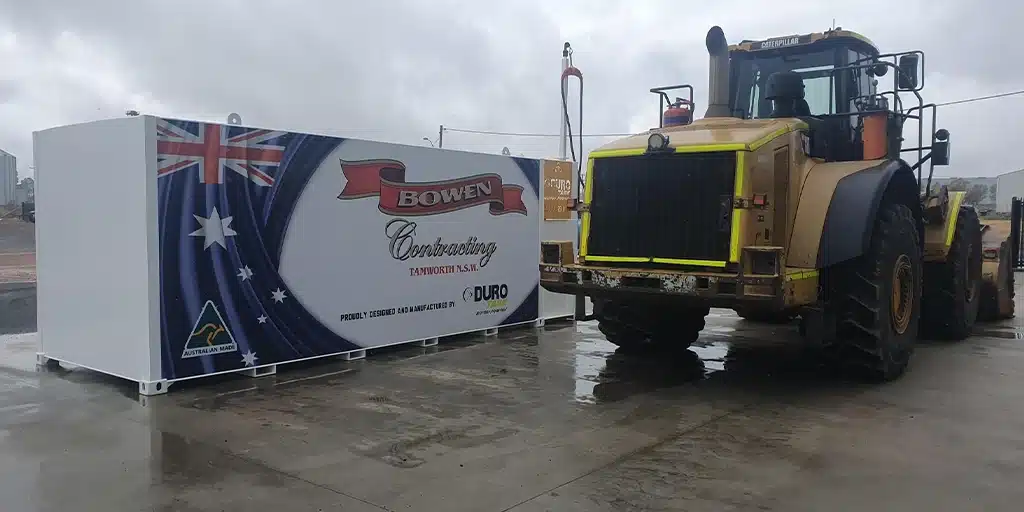
Secure Your Fuel Supply with Reliable Storage
Businesses cannot rely solely on external fuel supply. Investing in reliable on-site storage from Durotank ensures you maintain fuel availability, protect against price spikes, and continue operations without disruption.
Explore our product range of fuel storage solutions and find the tank that best fits your operational needs with support from Durotank.
If you’re unsure which tank capacity or configuration best suits your operation, you can contact the Durotank team for expert guidance on selecting the right fuel storage solution.
FAQs
How does on-site fuel storage reduce fuel costs?
On-site fuel storage allows businesses to purchase fuel in bulk when prices are favourable. This reduces the need for frequent refuelling at higher market prices and helps stabilise fuel expenses.
What is a self bunded fuel tank?
A self bunded fuel tank is a double-walled storage system designed with built-in spill containment. The outer layer provides an additional safety barrier that helps prevent leaks from reaching the surrounding environment.
What industries benefit most from fuel storage?
Industries that rely heavily on diesel-powered equipment benefit the most. This includes agriculture, construction, mining, transport, logistics, and industrial operations.
How much fuel can commercial fuel tanks store?
Fuel tanks are available in a wide range of sizes, from smaller portable units to large-capacity storage systems capable of storing tens of thousands of litres of diesel or petrol.
Are fuel storage tanks safe for business use?
Yes. Modern fuel storage systems are designed to meet strict safety and environmental standards. When installed and maintained correctly, they provide safe and reliable fuel storage for commercial operations.
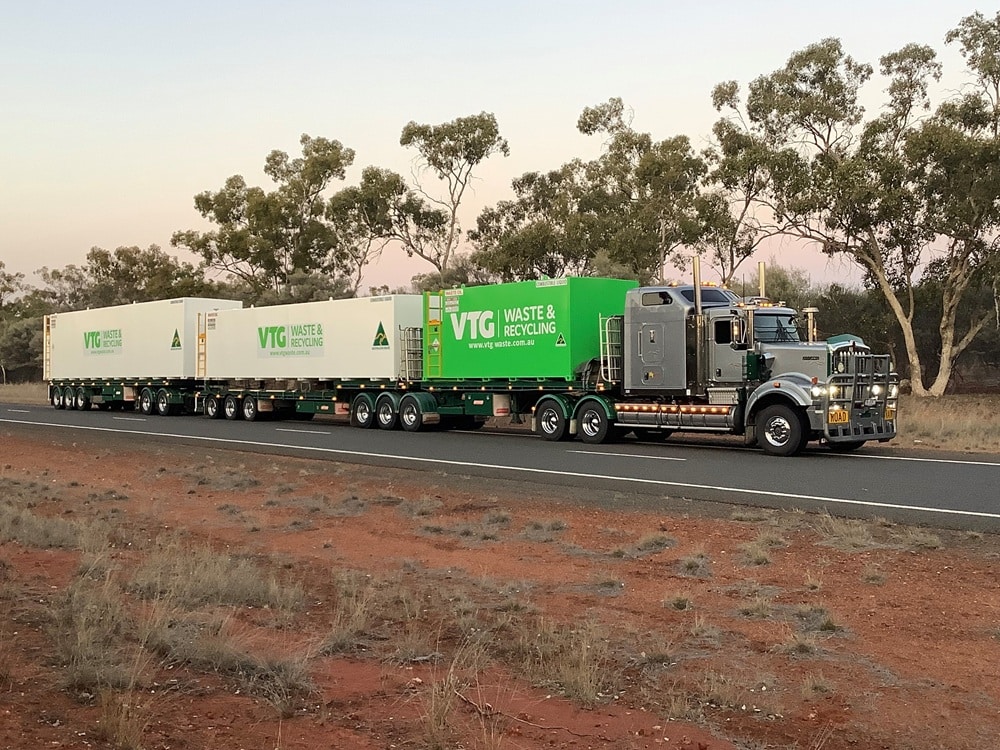
If you store diesel on a farm, a mine site, a civil project or a transport depot, AS1940 is the…
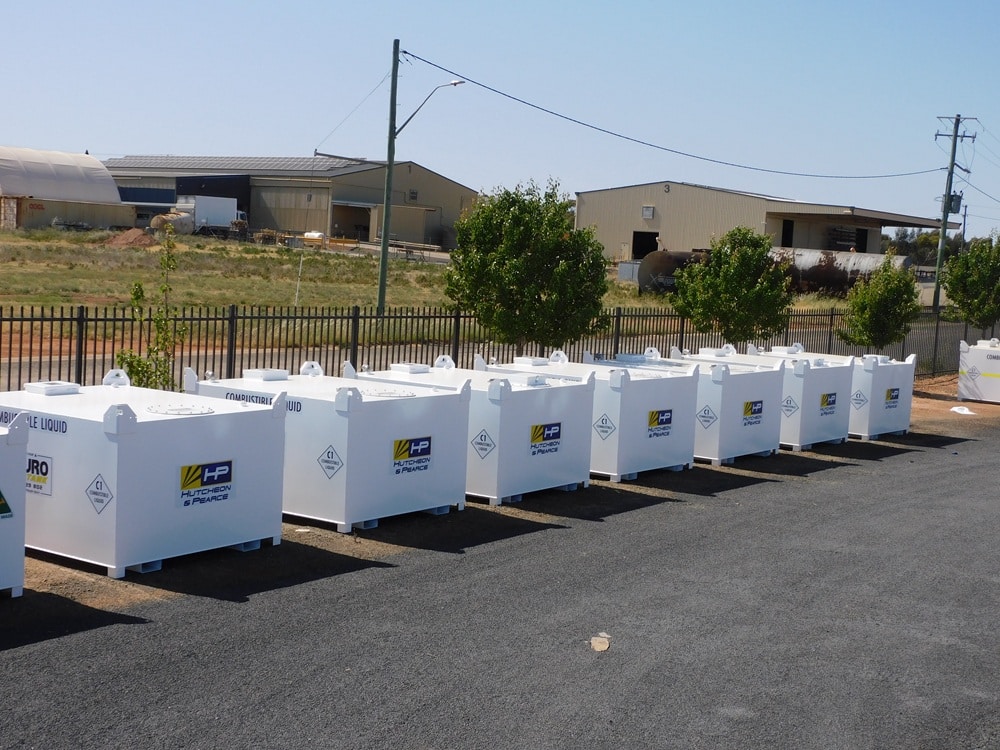
When you are comparing steel fuel tanks, they can look remarkably similar on paper. They may have the same capacity,…
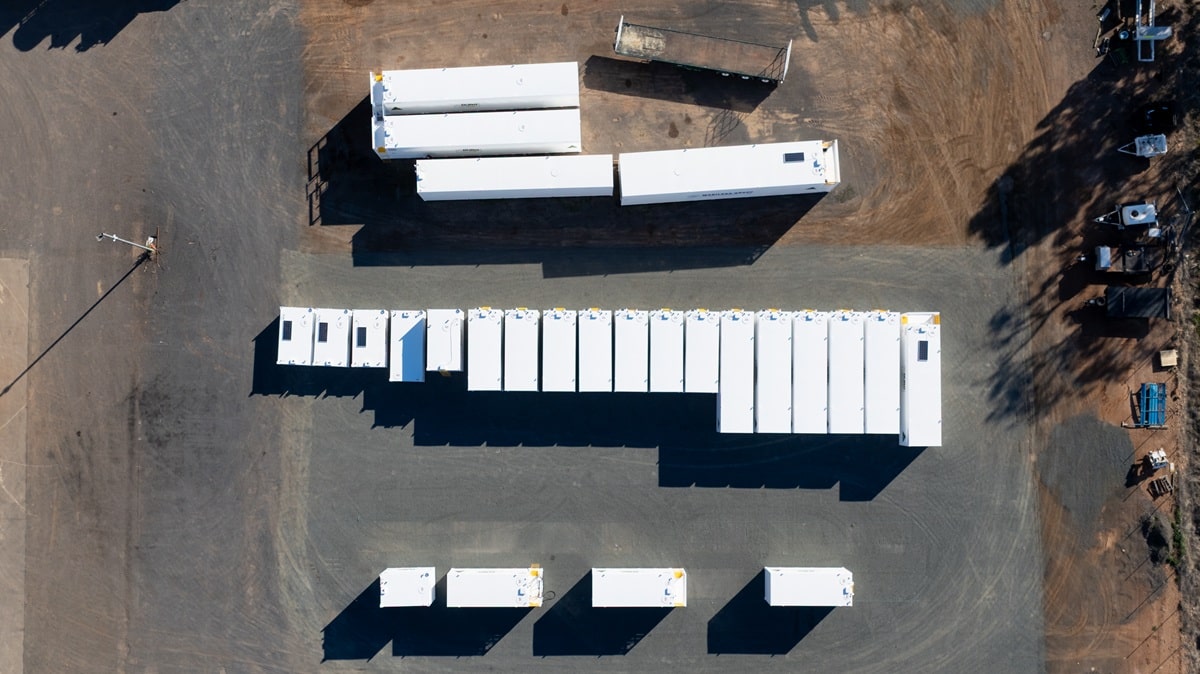
Search this question online and you will drown in British heating oil advice. OFTEC guidance, Environment Agency rules, Scottish EPA…
Buying a diesel tank looks simple until you start comparing them. Capacities range from a few hundred litres to six…
AdBlue has become a non-negotiable part of running a modern diesel fleet. Almost every truck, tractor, generator and piece of…
Diesel prices in Australia have hit record levels in 2026. Geopolitical disruption has pushed per-litre costs to their highest point…

When stored diesel is left unmanaged, the fuel sitting in your tank slowly changes. Water creeps in, sludge forms, and…
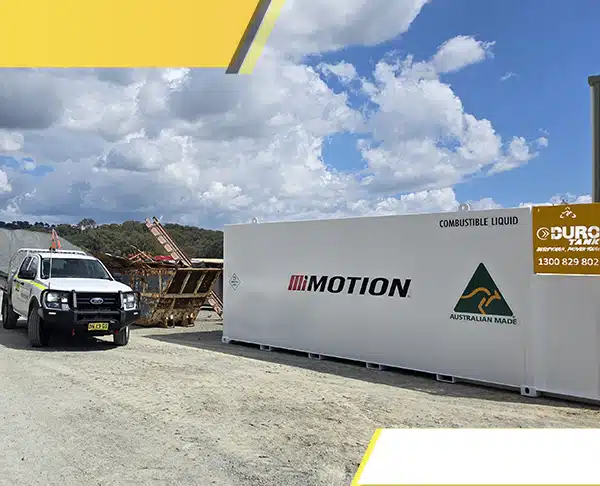

My experience with Durotank was exceptional from start to completion.
Emily was patient with us from the start - we took a while to make our decision, but she was always ready to help. She proactively addressed all enquiries and offered comprehensive support. No pressure, just good service.
Furthermore, Durotank was highly accommodating when we requested custom signage. It turned out great and looked fantastic.
I highly recommend Durotank to any organisation seeking a seamless, efficient, and thoroughly professional supplier for diesel tank requirements.


Joe Valesini - AUS Inds Customer Relationship Manager Motion
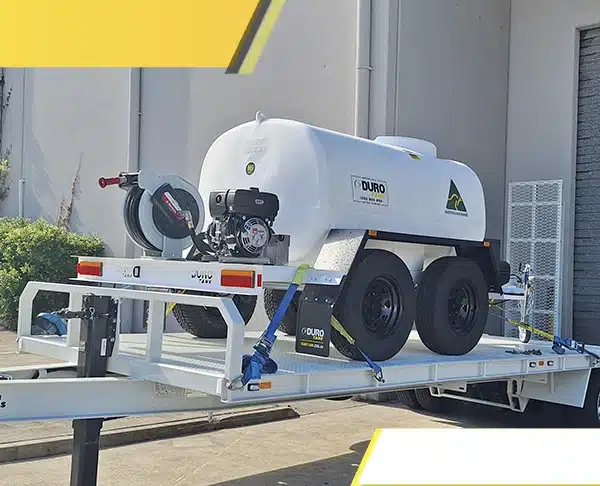
We had a great experience working with Durotank on our order for a 2,400L water cart trailer, set up for firefighting and tree watering. Their team was responsive throughout the process and delivered exactly what we needed on schedule, despite a very tight timeframe. The build quality is excellent - it’s clear a lot of care and expertise went into the manufacturing. We also value being able to support an Australian-made company and wouldn’t hesitate to recommend Durotank for both their product quality and service.
Joel Courtney – APMS Operations

We considered many other brands of diesel tank but quickly settled on Durotank - they ticked all the boxes. An Australian-made, self bunded quality tank with the ability to load and transport on-site whilst full is a winner.
The team communicated professionally with us regarding modifications and build timing. We will certainly use Durotank again and would confidently recommend them to others.
Andrew Reeves, Ethtec
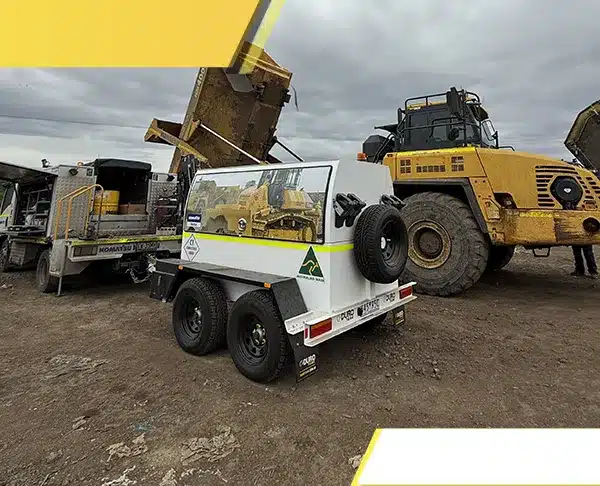
We had a great experience working with Durotank in purchasing our service trailer, from the enquiry stage to the delivery date the Durotank team were pleasant and very professional. Emily from the sales team answered any and all questions we had about specs and options, working with us to meet expectations and budget limitations. The production team kept us well informed of build schedule and approximate delivery dates. Overall we highly recommend the Durotank team if your looking for a service trailer, value for money is second to none and the quality is top notch.
Aaron Asquith - Leading Hand - Rental Komatsu Australia, Truganina Branch VIC
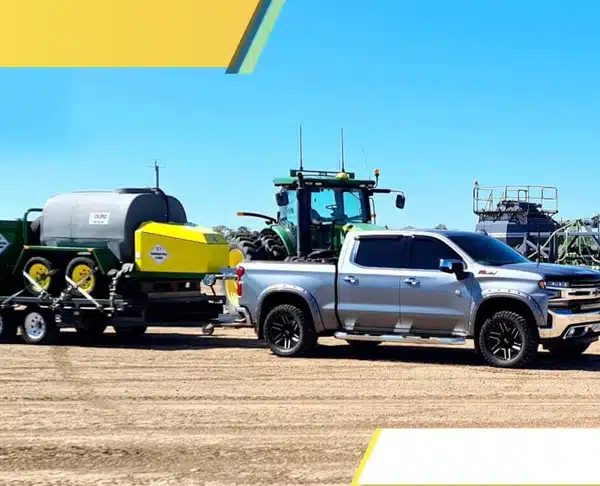
We purchased Durotank’s 2400 Litre poly water trailer with fire-fighter pump and hose reel, plus optional dribble bar and batter sprays attached.
Our property, Duxton Farm, borders the Kakadu National Park in the Northern Territory. Because of this, early season burning is extremely important to prevent uncontrollable bushfires later in the dry season. The trailer has been an invaluable asset to fire control – always full and ready to go when the call comes.
We’ve found it to be well balanced, empty or full, with the baffle ball system effectively controlling surge. We have had no issues with set-up, towing it with either a Landcruiser or Hilux.
Overall, we’re extremely happy with our purchase and the support from the Durotank team. We’ll be back.
Bruce Connolly, Northern Regional Manager, Duxton Farms

I purchased a Poly Tank Fuel Trailer from DUROTANK in April 2018. DUROTANK builds one of the best fuel trailers I have ever used. The build quality, engineering and attention to detail is unreal. The fuel trailer is rock solid, it tracks extremely well full of fuel at 100km/hr and its road worthy. All of the fittings are hoses are high quality hydraulic hose and crimped fittings so there are no leaks. The Durotank team is very easy to deal with and more than happy to help with any enquiries. The staff are friendly and it is a pleasure to do business with them. I’d buy another one in a heartbeat, that’s for sure
Ben Harris – AB Contract Farming
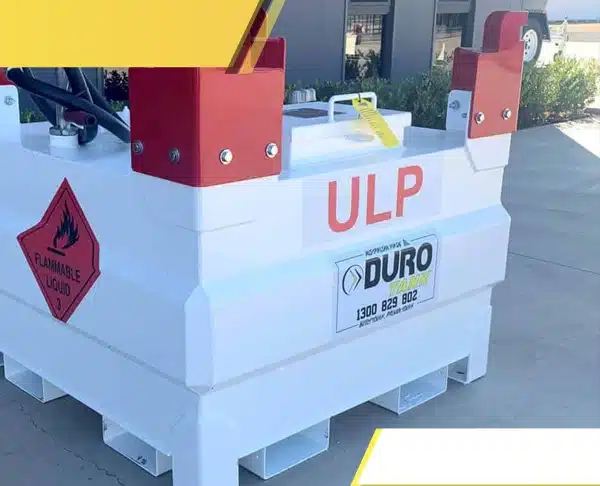
The Duro Cubes are going extremely well! My guys are very happy with them. Having them already saved us on oil transport on at least 2 occasions so far and has also allowed us to restructure our oil work days and use out of hours oil deliveries to make more efficient use of the time on site.
Field Supervisor, Electricity Distributor (AUSGRID)
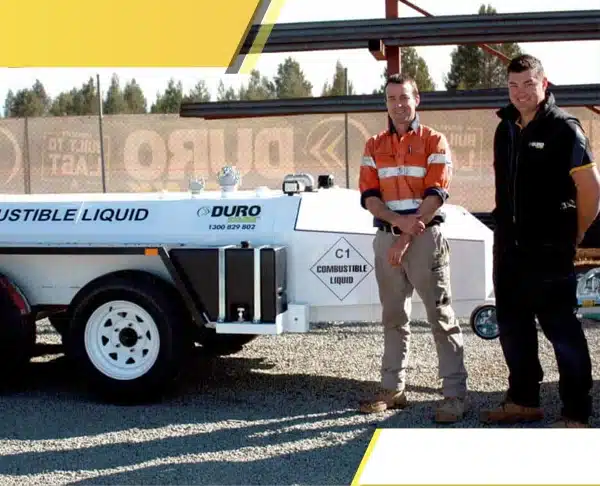
The fuel trailer I purchased from DUROTANK is well designed to withstand the harsh mining environment I work in, with no compromise to efficient and reliable fast fuel delivery
Brad Black – Hardrock Blasting Services
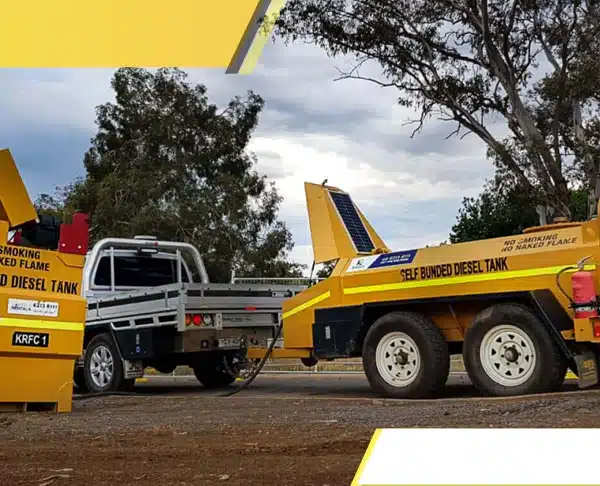
I would like to recommend Durotank to anyone that is considering their products. From first enquiry to after the product was delivered the customer experience was flawless.
Nick Dunlop – Kelton Rentals
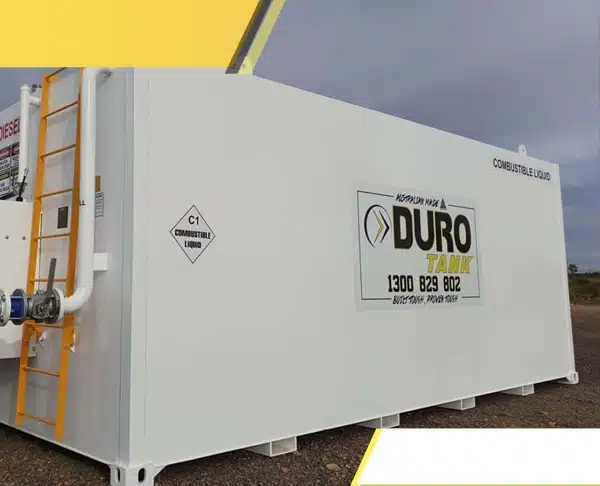
As a business owner I would highly recommend DUROTANK to any person who is serious about saving money, purchasing and storing their own fuel in bulk, particularly in today’s challenging economic times. DUROTANK supplied us an excellent quality Australian made fuel tank built to the specs that suited out business. Our staff love how easy it is to use and how much time it saves refuelling each week. We purchased the Smartfill System with it and its definitely a worthwhile investment both for use and fuel management. The aftersales service from DUROTANK has been outstanding.
Tony Grace – Lachlan Valley
The supply process from quotation to order placement, being kept informed of manufacturing process and delivery date and final delivery was seamless. I really appreciated the proactive approach to driving a positive Customer Experience. I couldn’t fault the product or service at all.
Peter – Meadows Family Restaurants
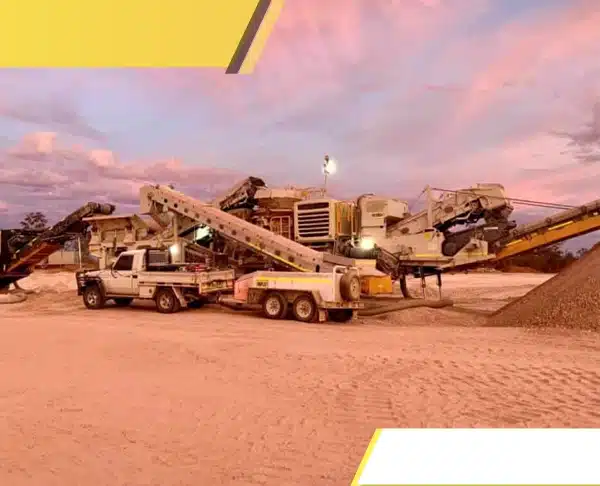
All our fuel trailers and on site tanks are supplied by Durotank which are built with strength and quality and always delivered on time, helpful and friendly staff, won’t get better.
