How to Choose the Right Water Trailer for Your Needs
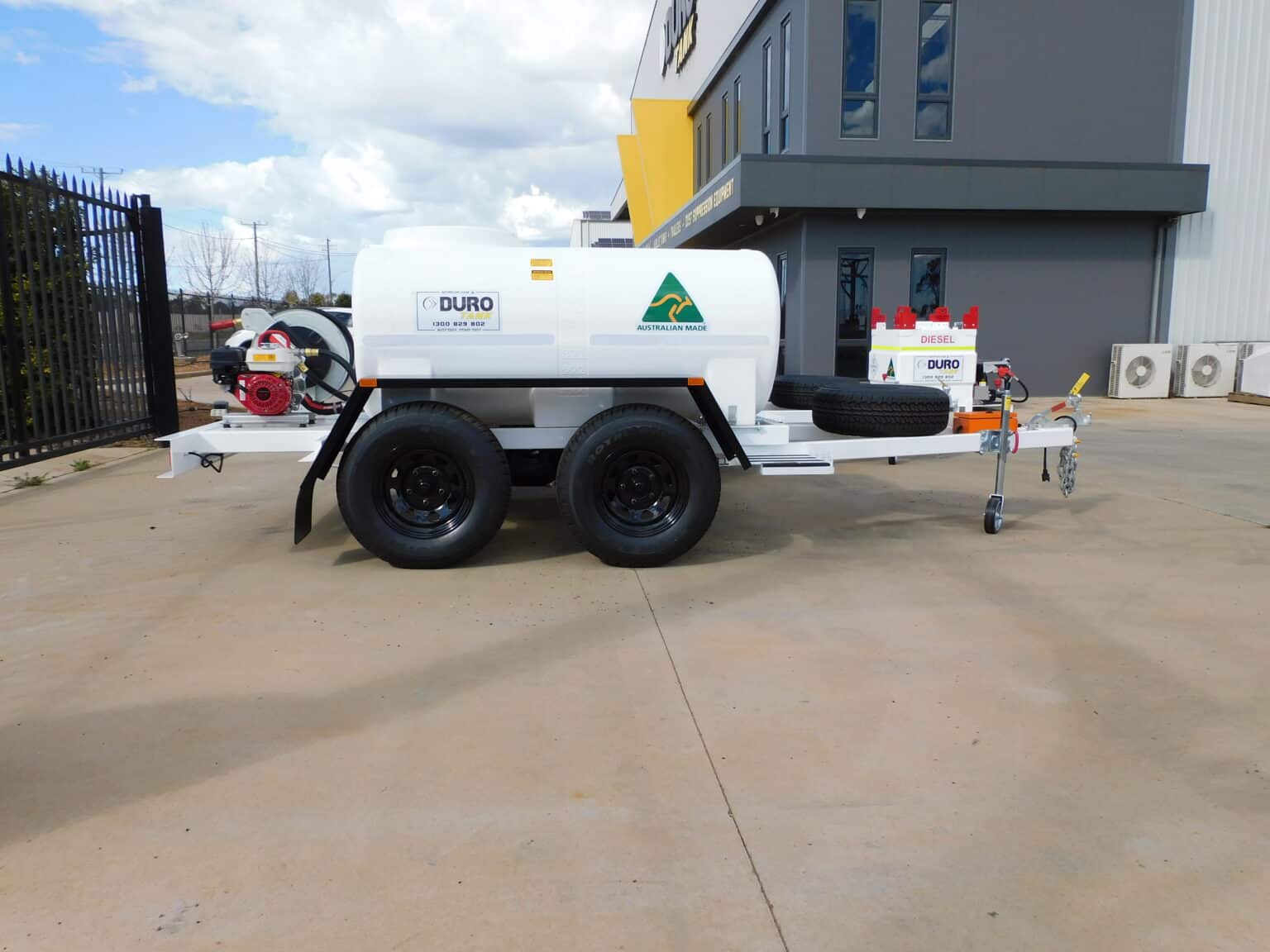
If you’re in industries like farming, construction, firefighting or even municipal maintenance, having the right water trailer can make a huge difference to your day-to-day operations. Water trailers are incredibly versatile, helping with everything from watering trees or lawn and controlling dust to putting out fires or cleaning equipment. But with so many options out there, picking the perfect trailer for your needs can be a bit overwhelming.
This guide breaks down everything you need to know to make a smart choice. By the end, you’ll feel confident about which water trailer will benefit your business best and how to get the most bang for your buck.
Why Getting the Right Water Trailer Matters
At first glance, a water trailer might just look like a big tank on wheels. But there’s a lot more to it than that. The right trailer will save you time, money and headaches by matching your exact water transport and distribution needs. The wrong one can cause constant breakdowns, wasted water or even safety risks.
For example, if you’re irrigating lawns, you’ll want a trailer that spreads water evenly and can cover large areas without constant refilling. But if you’re controlling dust on a construction site, you might need something tough, mobile and easy to operate on rough terrain.
So before you buy, ask yourself: What exactly am I going to use this for? How often? And in what kind of conditions?
Step 1: Work Out How Much Water You’ll Need to Carry
Water trailers come in all shapes and sizes, from small 1,200-litre tanks perfect for light jobs, all the way up to huge 22,000-litre behemoths for heavy-duty work. Choosing the right size is key.
- Too small? You’ll be running back and forth to refill, wasting time and fuel.
- Too big? You might struggle to tow it safely, or it could be too unwieldy for tight spaces.
A good rule of thumb is to estimate how much water you’ll need during a typical job, then factor in how far you’ll be hauling it. If your water source is far away, a larger capacity trailer might make more sense. But a smaller, more manoeuvrable trailer could be better if you’re working in confined areas or need to move quickly between spots. .
Step 2: Match the Trailer to Your Vehicle
No point getting a giant trailer if your ute or tractor can’t tow it safely! Before you shop, check your vehicle’s towing capacity. This includes the combined weight of the trailer itself plus the water it will carry, which weighs about 1 kilogram per litre, so a full 10,000-litre trailer will weigh roughly 10 tonnes!
Make sure the trailer’s design complements your towing setup. For example:
- Single axle trailers are lighter and easier to steer, but have lower weight limits.
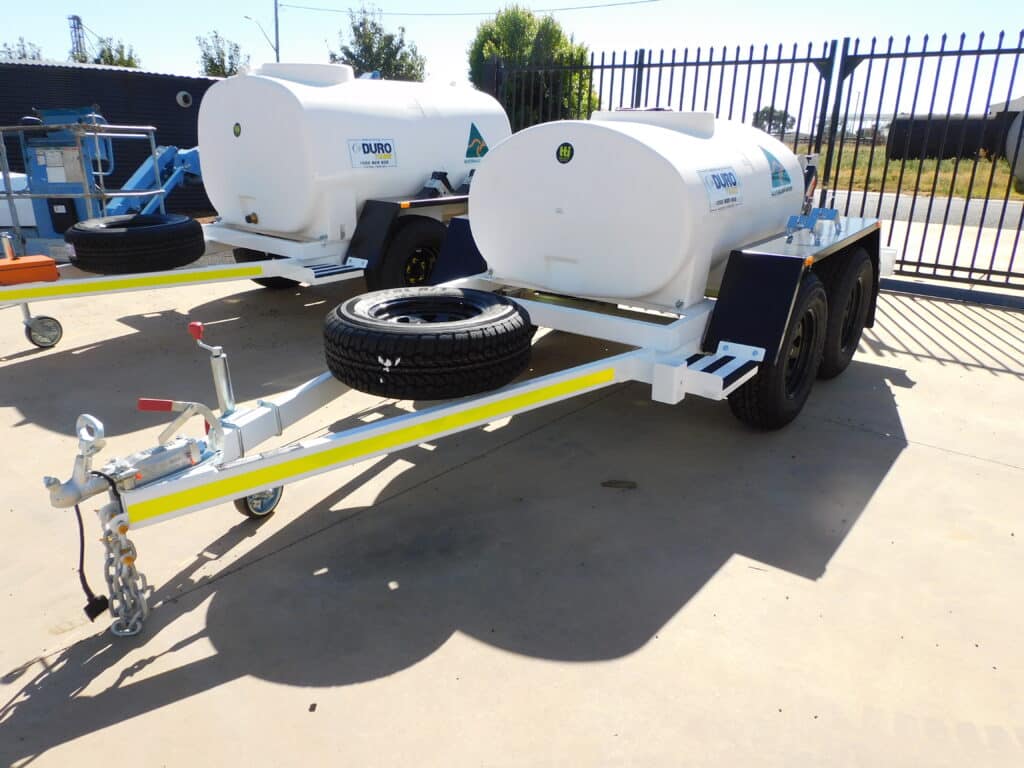
- Dual axle trailers provide better stability and can carry heavier loads, especially over rough terrain.
Also, check the type of hitch you have and whether the trailer’s coupling system is compatible.
Need help choosing the right water trailer? Our expert team is ready to assist. Contact us today.
Step 3: Decide on the Tank Material: Poly or Steel?
Water trailer tanks are usually made from either polyethylene (plastic) or steel, and each material has pros and cons.
- Polyethylene tanks are lightweight, corrosion-resistant and generally cheaper. They’re perfect for general farming and light construction jobs. The plastic is UV-stabilised to handle Australia’s harsh sun, so they won’t crack or fade easily.
- Steel tanks are heavier but tougher, able to handle rougher jobs and longer lifespans in demanding environments. If you’re using the trailer on mining sites or for firefighting, a steel tank might be the more reliable choice. Many steel tanks are powder-coated or galvanised to prevent rust.
Step 4: Think About How You’ll Distribute the Water
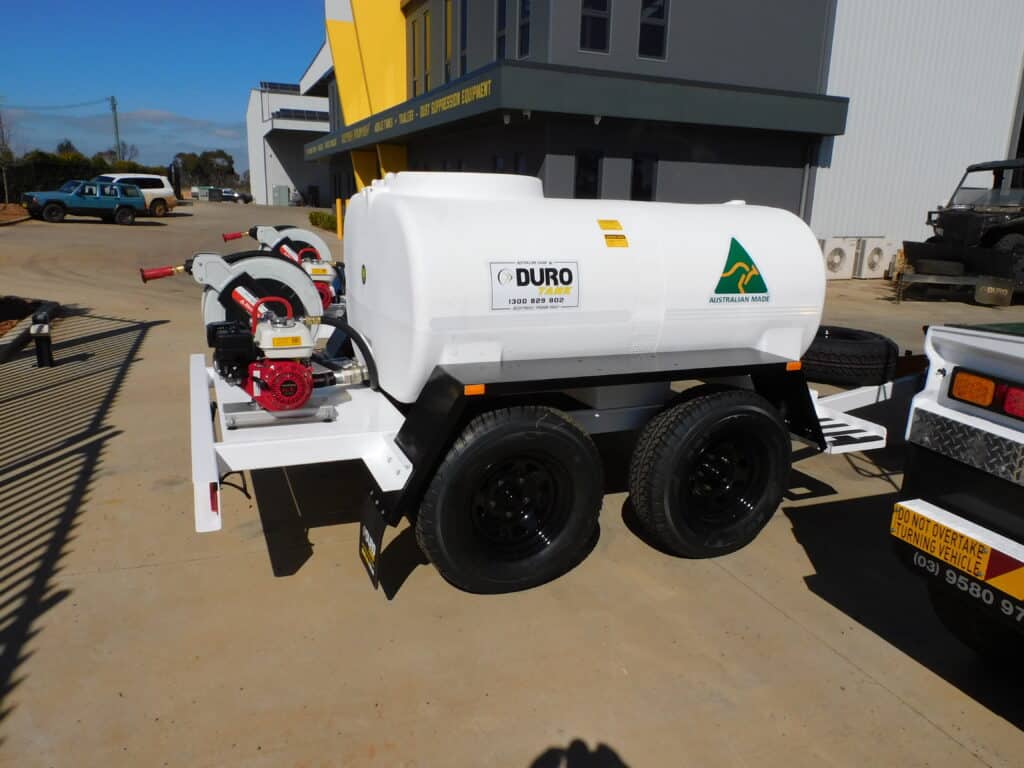
Carrying water is just part of the job. How you deliver it matters too. Different jobs need different equipment:
- Spray bars: Great for spreading water evenly over large areas, like dust suppression on roads or irrigating fields.
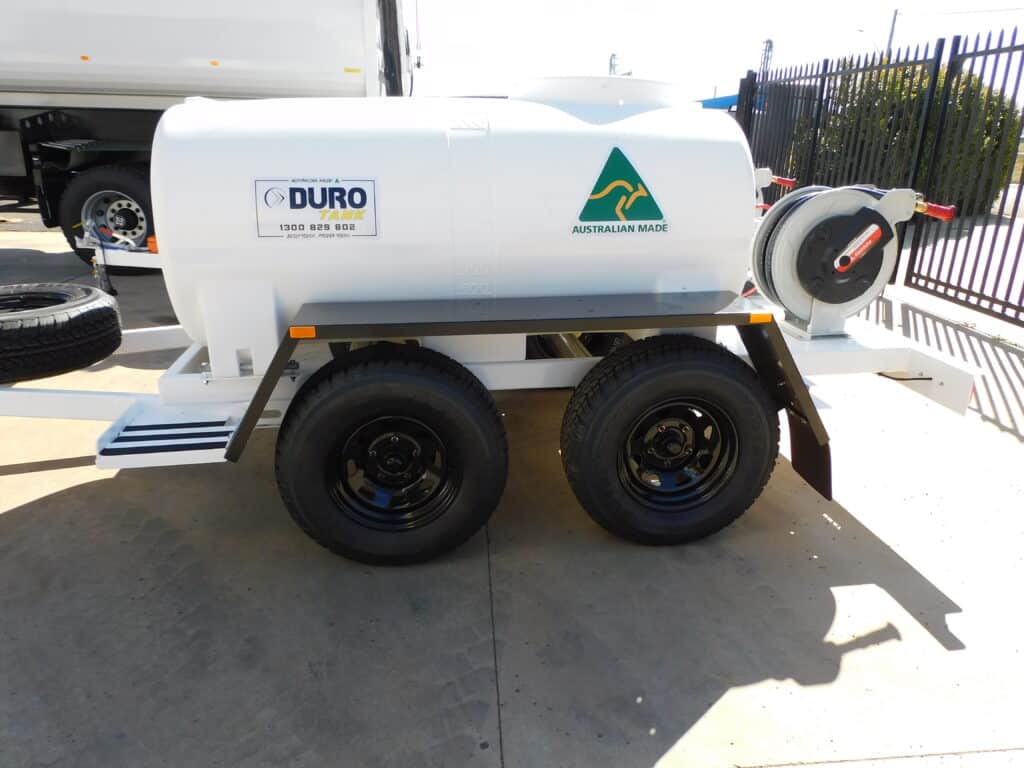
- Hose reels: Allows you to reach tight or tricky spots, like watering plants in greenhouses or cleaning machinery.
- Pumps: You’ll find electric, hydraulic or PTO-driven pumps. Electric pumps are simple and good for light tasks, while hydraulic and PTO pumps offer more power for demanding applications like firefighting. Durotank water trailers offer motor driven pumps (diesel or petrol driven)
Make sure the pump you choose matches your water flow and pressure needs. For instance, high-pressure pumps are vital for firefighting to reach distant flames or for dust control on big construction sites.
Step 5: Don’t Forget Safety and Legal Requirements
Australian regulations around towing and water transport are strict and rightly so. Make sure your trailer ticks all the boxes:
- Brakes: Trailers over certain weights need brakes, either electric or surge types.
- Lights and reflectors: These are mandatory for road safety.
- Weight limits: Stay within your vehicle and license limits to avoid fines and unsafe driving.
- Safety chains and emergency brakes (on 2t plus trailers): Help keep you safe if the trailer accidentally detaches.
If in doubt, talk to your supplier or check your state’s transport authority website for towing laws.
Step 6: Consider Durability and Maintenance
A water trailer is an investment you want to last. Look for:
- UV protection: Poly tanks with UV stabilisation will resist sun damage.
- Rust-proof coatings: For steel tanks, galvanising or powder-coating prolongs life.
- Quality chassis and suspension: Make sure the frame is built tough and can handle your terrain without constant repairs.
- Ease of maintenance: Trailers with easy access to pumps, valves and fittings will save you time and money in the long run.
Also, ask your supplier about warranty coverage and local service options.
Step 7: Factor in Your Budget. Think Long Term.
Sure, price matters. But sometimes it pays off when you spend a bit more upfront on better quality or features, especially with equipment you rely on every day.
Cheaper trailers might seem tempting, but they could cost more in repairs, downtime or limited features. Balance your initial investment against:
- Maintenance costs
- Fuel efficiency (a lighter trailer uses less fuel)
- Resale value
- Flexibility to adapt to different jobs
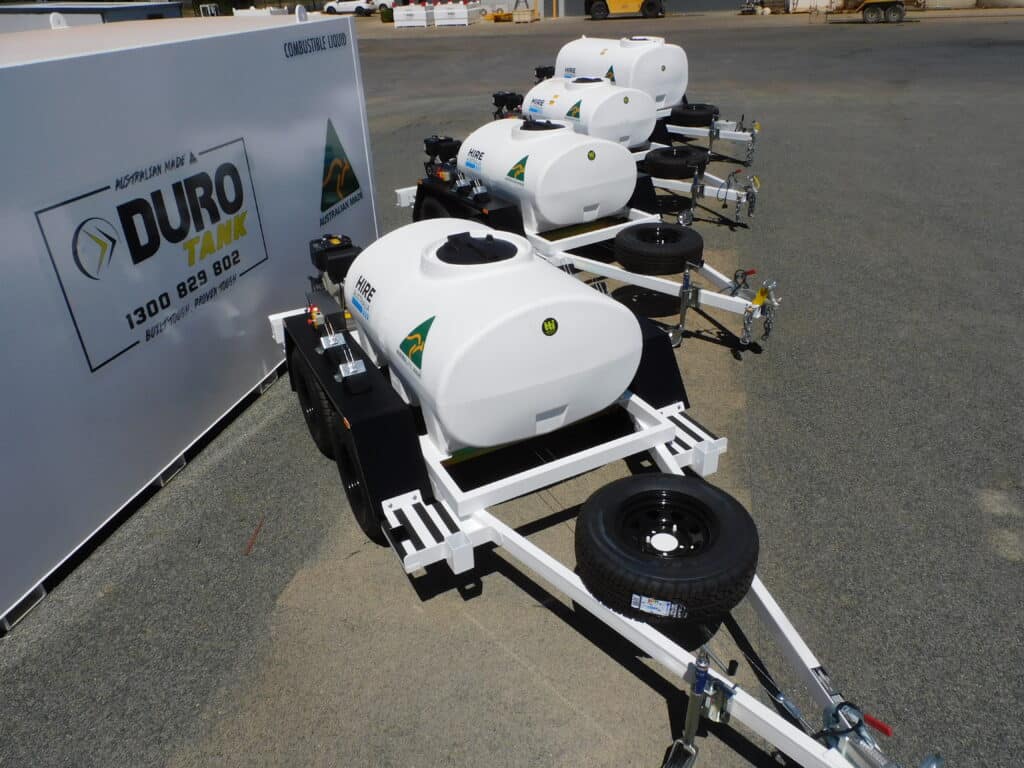
Step 8: Explore Customisation and Extras
Many manufacturers, including Durotank, offer customised solutions to suit your exact needs.
Discuss your unique requirements with The Durotank team to get a trailer built just for you.
Tips for Getting the Most from Your Water Trailer
- Regular inspections: Check hoses, fittings, tires and pumps before every use.
- Keep it clean: Prevent the build-up of sediment or algae inside the tank.
- Store properly: If you’re not using the trailer for a while, cover it to protect it from the sun and dust.
- Train your team: Make sure operators understand safe towing and water distribution practices.
Environmental Considerations When Choosing a Water Trailer
In today’s world, being environmentally responsible is more important than ever. When selecting a water trailer, think about how your choice affects water conservation and environmental impact. Some trailers come with features like low-flow spray nozzles or adjustable spray bars that help minimise water waste. Additionally, choosing a trailer with efficient pumps reduces fuel consumption and emissions during operation.
If you work in environmentally sensitive areas, look for trailers made from recyclable materials or those that use sustainable manufacturing processes. Proper maintenance also plays a role in preventing leaks or spills that could harm the environment. By choosing the right water trailer with eco-friendly features, you contribute to preserving Australia’s natural resources while keeping your operations efficient.
At Durotank, we support sustainability through durable, long-lasting builds that reduce waste, water-saving spray systems that minimise overuse and bunded designs that prevent leaks and contamination. Every trailer is built tough for Australian conditions, helping you operate responsibly while protecting the environment.
Frequently Asked Questions (FAQs)
Q: How do I know what size water trailer is right for me?
A: Start by estimating how much water you use per job and how far you’ll need to haul it. Bigger tanks reduce refill trips but need stronger towing vehicles. Smaller tanks are easier to move but may require more frequent refills.
Q: Can I tow a water trailer with my ute?
A: It depends on your ute’s towing capacity and the trailer’s loaded weight. Check your vehicle’s specs and choose a trailer that fits safely within those limits.
Q: What maintenance does a water trailer need?
A: Regularly inspect pumps, hoses, tires and the tank for leaks or damage. Clean the tank periodically and service the pump as per the manufacturer’s instructions.
Q: Are water trailers road-legal in Australia?
A: Yes, but they must meet local towing regulations, including brakes, lights, weight limits and safety chains. Always check your state’s specific rules.
Finding the Perfect Water Trailer for Your Business
Choosing the right water trailer isn’t just about picking the biggest or cheapest option. It’s about understanding your unique needs and finding a trailer that matches your work style, vehicle and budget while keeping you safe and compliant.
If you want a water trailer built tough for Australian conditions, with expert advice and reliable after-sales support, Durotank has you covered. Browse our range or get in touch. We’re here to help you find the perfect water trailer that keeps your business moving smoothly.
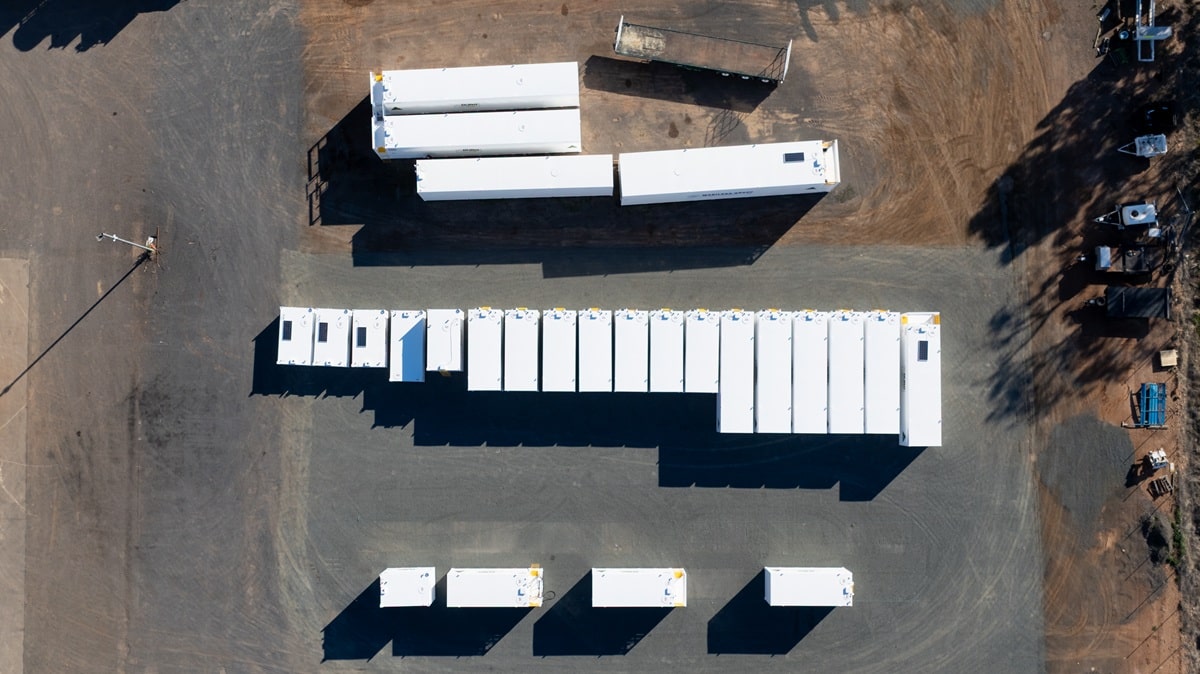
If you store diesel on a farm, a mine site, a civil project or a transport depot, AS1940 is the…
When you are comparing steel fuel tanks, they can look remarkably similar on paper. They may have the same capacity,…
Search this question online and you will drown in British heating oil advice. OFTEC guidance, Environment Agency rules, Scottish EPA…
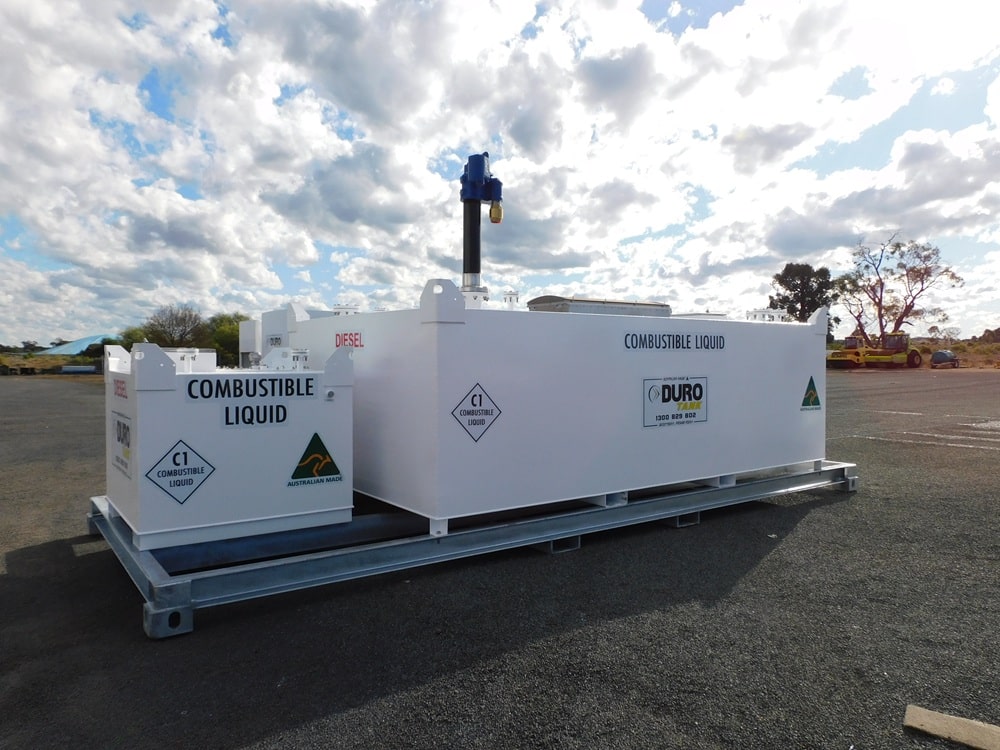
Buying a diesel tank looks simple until you start comparing them. Capacities range from a few hundred litres to six…
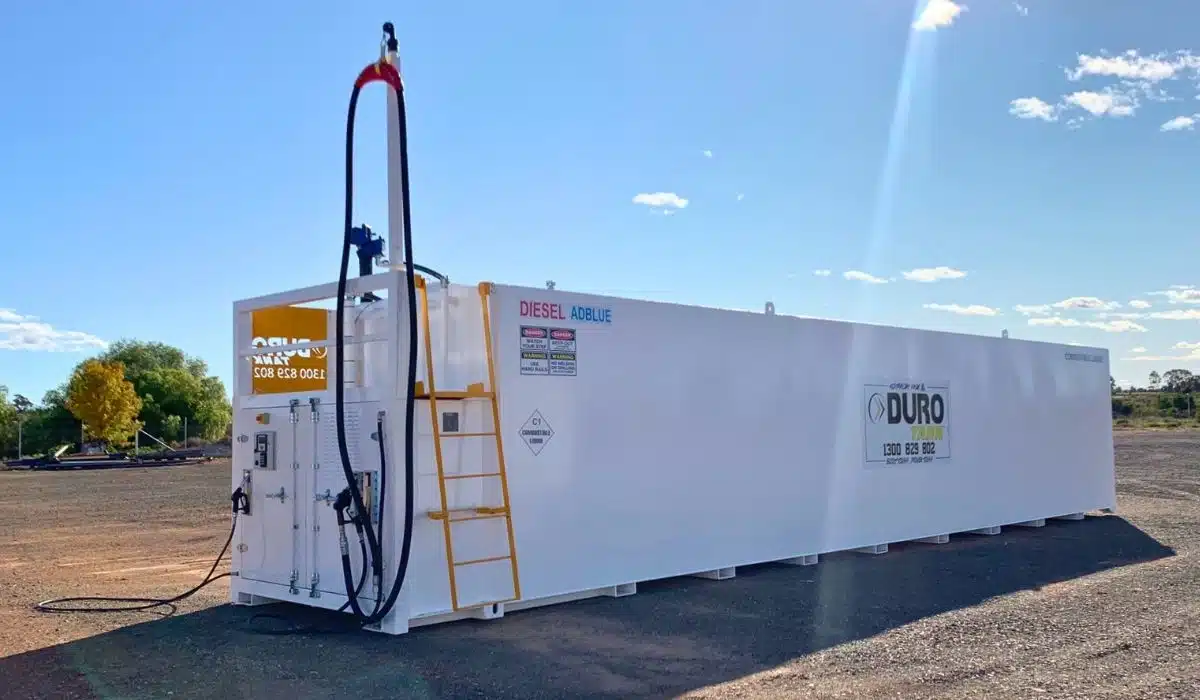
AdBlue has become a non-negotiable part of running a modern diesel fleet. Almost every truck, tractor, generator and piece of…
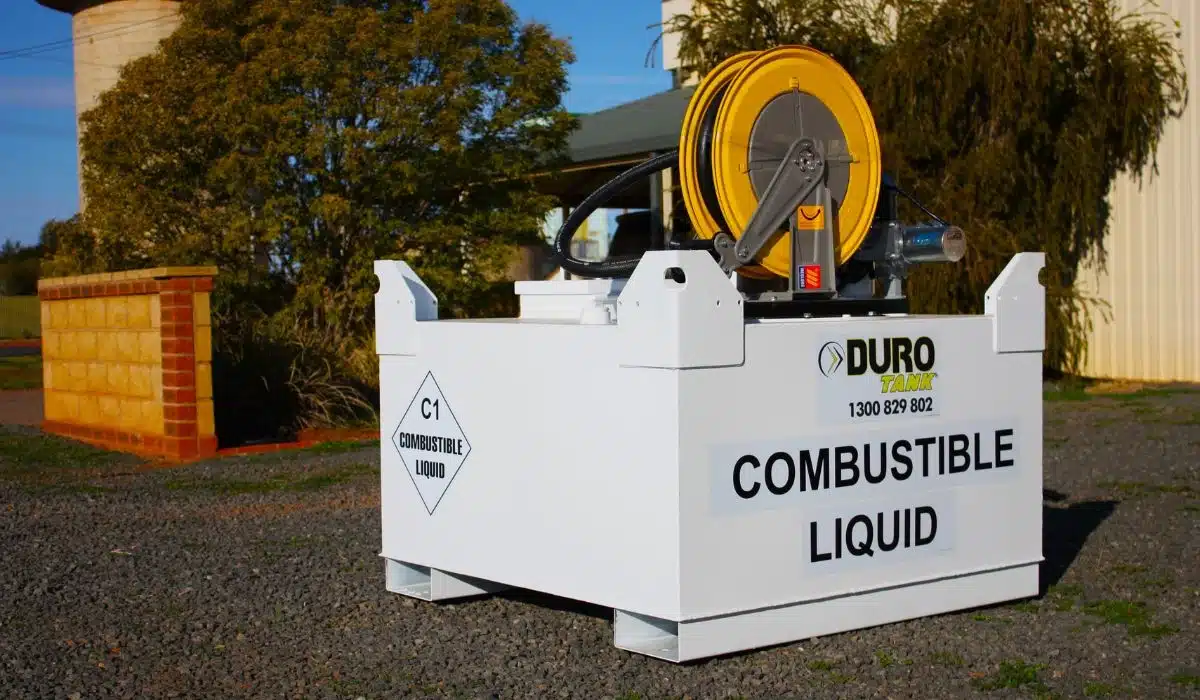
Diesel prices in Australia have hit record levels in 2026. Geopolitical disruption has pushed per-litre costs to their highest point…

When stored diesel is left unmanaged, the fuel sitting in your tank slowly changes. Water creeps in, sludge forms, and…
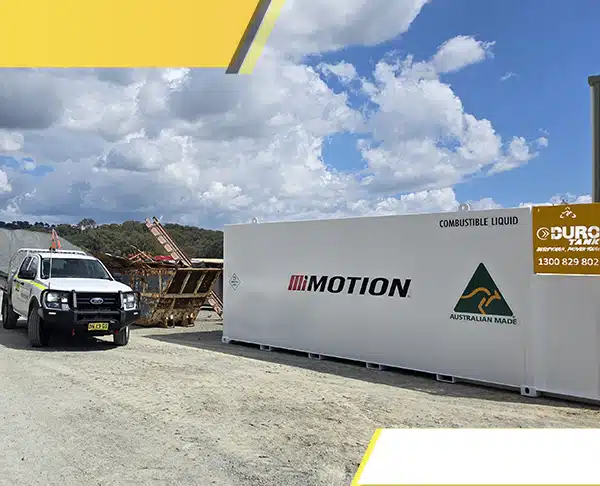

My experience with Durotank was exceptional from start to completion.
Emily was patient with us from the start - we took a while to make our decision, but she was always ready to help. She proactively addressed all enquiries and offered comprehensive support. No pressure, just good service.
Furthermore, Durotank was highly accommodating when we requested custom signage. It turned out great and looked fantastic.
I highly recommend Durotank to any organisation seeking a seamless, efficient, and thoroughly professional supplier for diesel tank requirements.


Joe Valesini - AUS Inds Customer Relationship Manager Motion
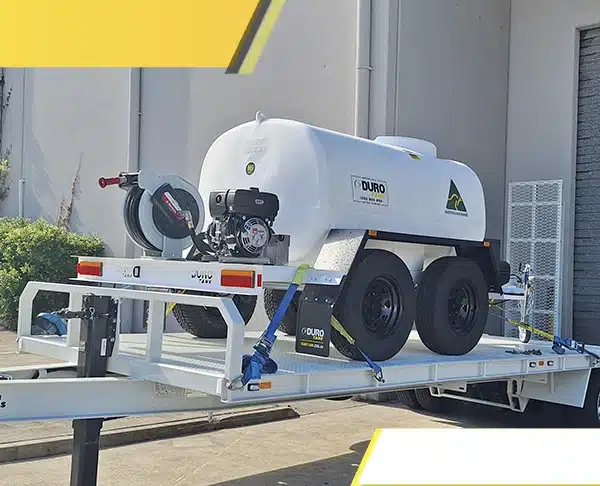
We had a great experience working with Durotank on our order for a 2,400L water cart trailer, set up for firefighting and tree watering. Their team was responsive throughout the process and delivered exactly what we needed on schedule, despite a very tight timeframe. The build quality is excellent - it’s clear a lot of care and expertise went into the manufacturing. We also value being able to support an Australian-made company and wouldn’t hesitate to recommend Durotank for both their product quality and service.
Joel Courtney – APMS Operations

We considered many other brands of diesel tank but quickly settled on Durotank - they ticked all the boxes. An Australian-made, self bunded quality tank with the ability to load and transport on-site whilst full is a winner.
The team communicated professionally with us regarding modifications and build timing. We will certainly use Durotank again and would confidently recommend them to others.
Andrew Reeves, Ethtec
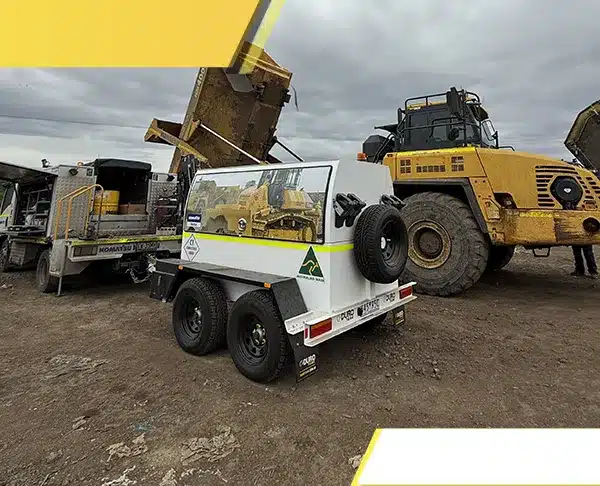
We had a great experience working with Durotank in purchasing our service trailer, from the enquiry stage to the delivery date the Durotank team were pleasant and very professional. Emily from the sales team answered any and all questions we had about specs and options, working with us to meet expectations and budget limitations. The production team kept us well informed of build schedule and approximate delivery dates. Overall we highly recommend the Durotank team if your looking for a service trailer, value for money is second to none and the quality is top notch.
Aaron Asquith - Leading Hand - Rental Komatsu Australia, Truganina Branch VIC
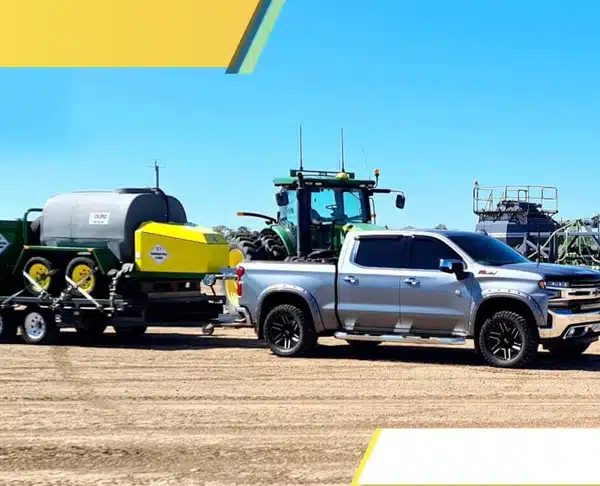
We purchased Durotank’s 2400 Litre poly water trailer with fire-fighter pump and hose reel, plus optional dribble bar and batter sprays attached.
Our property, Duxton Farm, borders the Kakadu National Park in the Northern Territory. Because of this, early season burning is extremely important to prevent uncontrollable bushfires later in the dry season. The trailer has been an invaluable asset to fire control – always full and ready to go when the call comes.
We’ve found it to be well balanced, empty or full, with the baffle ball system effectively controlling surge. We have had no issues with set-up, towing it with either a Landcruiser or Hilux.
Overall, we’re extremely happy with our purchase and the support from the Durotank team. We’ll be back.
Bruce Connolly, Northern Regional Manager, Duxton Farms

I purchased a Poly Tank Fuel Trailer from DUROTANK in April 2018. DUROTANK builds one of the best fuel trailers I have ever used. The build quality, engineering and attention to detail is unreal. The fuel trailer is rock solid, it tracks extremely well full of fuel at 100km/hr and its road worthy. All of the fittings are hoses are high quality hydraulic hose and crimped fittings so there are no leaks. The Durotank team is very easy to deal with and more than happy to help with any enquiries. The staff are friendly and it is a pleasure to do business with them. I’d buy another one in a heartbeat, that’s for sure
Ben Harris – AB Contract Farming
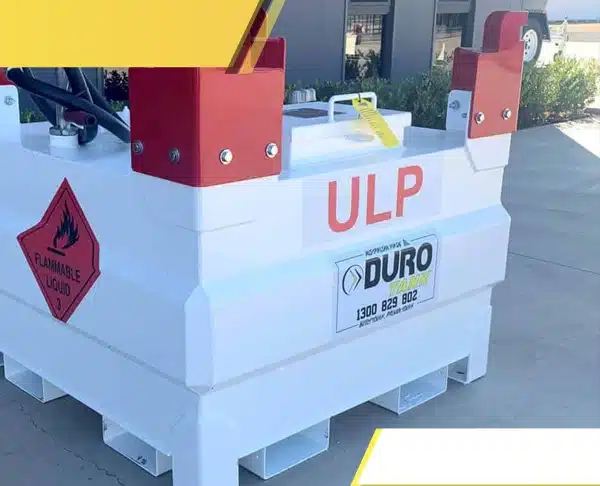
The Duro Cubes are going extremely well! My guys are very happy with them. Having them already saved us on oil transport on at least 2 occasions so far and has also allowed us to restructure our oil work days and use out of hours oil deliveries to make more efficient use of the time on site.
Field Supervisor, Electricity Distributor (AUSGRID)
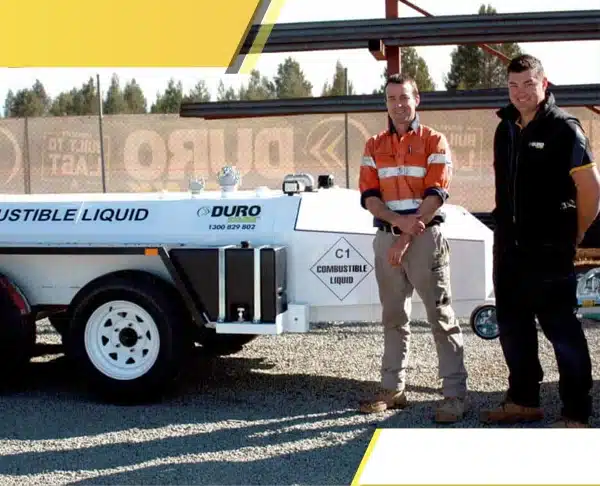
The fuel trailer I purchased from DUROTANK is well designed to withstand the harsh mining environment I work in, with no compromise to efficient and reliable fast fuel delivery
Brad Black – Hardrock Blasting Services
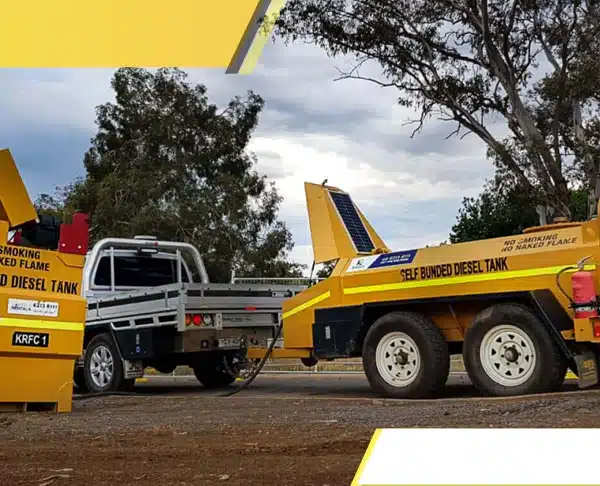
I would like to recommend Durotank to anyone that is considering their products. From first enquiry to after the product was delivered the customer experience was flawless.
Nick Dunlop – Kelton Rentals
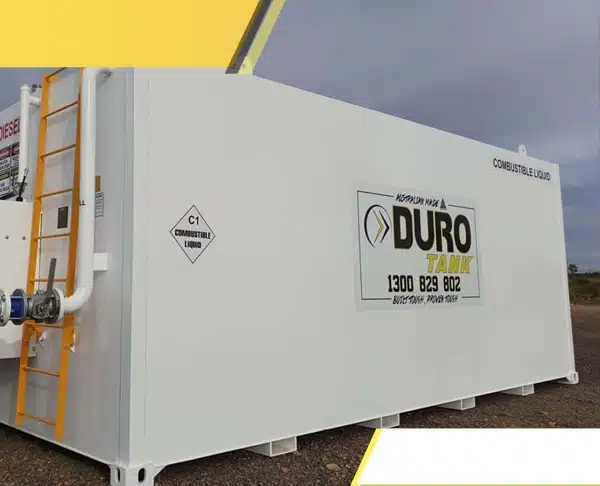
As a business owner I would highly recommend DUROTANK to any person who is serious about saving money, purchasing and storing their own fuel in bulk, particularly in today’s challenging economic times. DUROTANK supplied us an excellent quality Australian made fuel tank built to the specs that suited out business. Our staff love how easy it is to use and how much time it saves refuelling each week. We purchased the Smartfill System with it and its definitely a worthwhile investment both for use and fuel management. The aftersales service from DUROTANK has been outstanding.
Tony Grace – Lachlan Valley
The supply process from quotation to order placement, being kept informed of manufacturing process and delivery date and final delivery was seamless. I really appreciated the proactive approach to driving a positive Customer Experience. I couldn’t fault the product or service at all.
Peter – Meadows Family Restaurants
All our fuel trailers and on site tanks are supplied by Durotank which are built with strength and quality and always delivered on time, helpful and friendly staff, won’t get better.
